Blog / Albuquerque Ford Service

Blog

All Albuquerque Ford Service Albuquerque Ford Dealer Albuquerque Area Ford Power Ford Service Albuquerque Used Cars Bronco F150 Ford Trucks & SUVs Explorer EV Safety Awards Performance Bronco Sport Finance Ford Blue Advantage Certified Maverick Mustang Rio Rancho Expedition Ranger Super Duty Comfort Fleet Interior Tires Mustang Mach-E
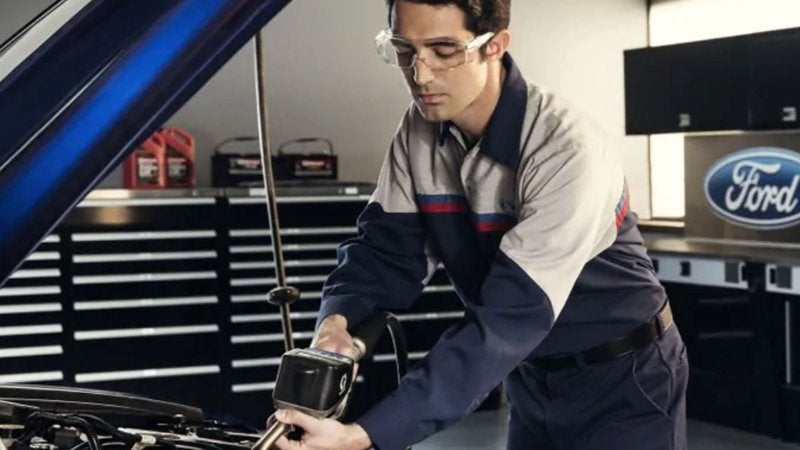
Ford technician checking a vehicle's engine in a Ford service bay, for owners booking a certified Ford service appointment from Santa Fe, NM

Where Can I Schedule a Certified Ford Service Appointment Near Santa Fe, NM?

You can schedule a certified Ford service appointment near Santa Fe at any authorized Ford dealer, and Power Ford's online Ford service scheduler books a time with factory-trained Ford technicians in Albuquerque, about an hour south of the Santa Fe Plaza on I-25. With roughly 60 miles each way, how you book matters as much as where you book. This guide stays on the booking itself: the scheduler step by step, what to have in hand before you choose a time, how to fold recall, warranty and maintenance work into one visit, and how to time the drive so the trip is worth it. How to Book a Certified Ford Service Appointment Online From Santa Fe The scheduler opens from the red Schedule Service button at the top of every page on powerfordnm.com, and booking goes quickest in this order. First, identify the vehicle, ideally by VIN, because the VIN tells the service team the exact engine, trim and build rather than just the model name. Second, choose the work: the maintenance that is coming due, any problem you want diagnosed, and any open recall. Third, describe the problem in your own words wherever the scheduler gives you room, and keep your notes handy for the service drive. Fourth, pick a day and time, usually the first opening of the morning for a Santa Fe driver, and decide in advance whether you plan to wait or leave the vehicle. Save the confirmation, and if your plans change, reschedule rather than simply skipping the appointment. Booking with a Ford dealer matters most for two kinds of work. Ford's 2026 model-year warranty guide says authorized Ford dealers will repair, replace or adjust, at no charge, covered parts that fail because of a manufacturing defect during the warranty period: three years or 36,000 miles bumper to bumper and five years or 60,000 miles on the powertrain, whichever comes first. Ford's recall support page adds that parts and service for a recall repair are free through your local Ford dealer. Power Ford is an authorized Ford dealer, so both go through the same scheduler. The same warranty guide notes that certain warranty repairs require special training and not every dealer is authorized for every one, which is another reason to name the concern when you book rather than at the counter after an hour on the road. Visit Our Ford Recall Department What to Have Ready Before You Pick a Time Start with the 17-character VIN. Ford lists three easy places to find it: the driver's door frame, the lower driver's-side corner of the windshield, and your purchase, insurance or registration paperwork. Add the current odometer reading from the dash rather than from memory, since warranty coverage ends on mileage as well as time, and a Ford getting close to 36,000 or 60,000 miles should be booked before it crosses the line, not after. If you bought the vehicle used, find the original warranty start date as well. Ford counts coverage from the day the vehicle was first delivered or put into service, not from the day you bought it, so the clock on a used Ford started with its first owner. Then write the symptom down while the details are fresh. Note when it happens (a cold start, on La Bajada Hill, at highway speed, only in reverse), how often, what it sounds or feels like, and whether a warning light or message appears. A phone photo of the instrument cluster with the message showing saves a lot of back and forth. Intermittent problems are the hardest to fix on a single visit, so if something only happens on the drive down, say so when you book, because the technician may need a road test and that affects whether you should wait or drop off. Bring the paperwork from any earlier repair on the same problem, too. See Our Ford Dealership Serving Santa Fe, NM Bundle Recall, Warranty and Maintenance Work Into One Trip Before you book, run the VIN through NHTSA's free recall lookup. It lists unrepaired safety recalls on that exact vehicle from the past 15 years, and because VINs are added to newly announced recalls over time, it is worth checking again the week of your appointment. Then put everything on the same booking: the open recall, any warranty concern, and whatever maintenance is coming due. If you are not sure what that is, our guide to genuine Ford parts and certified service in Albuquerque walks through the maintenance side. One visit with three items on it is one 120-mile round trip instead of three. When a recall is on the list, ask whether the parts for that repair are in stock or need to be ordered, so the drive is not wasted. Recall and covered warranty repairs cost you nothing, maintenance is paid as usual, and all of it can be handled in the same visit. Early Drop-Off, Waiting or Pickup: Timing the Drive Down I-25 Power Ford's service department opens at 7:00 a.m. Monday through Friday and stays open until 6:00 p.m. Saturday hours are 8:00 a.m. to 5:00 p.m., and it is closed Sunday. The drive from the Santa Fe Plaza to the dealership on Montaño Road is about 60 miles, roughly an hour in normal traffic and mostly on I-25, so leaving Santa Fe a little before 6 a.m. puts you at the service drive close to opening. Allow extra time for the weekday commute into Albuquerque. An early drop-off is worth the alarm: the first appointments of the day leave the most working hours for diagnosis and for sourcing any parts the job turns out to need. Whether to wait or drop off depends on the job. Routine maintenance or a single recall with the parts in stock is a reasonable wait, and Power Ford offers flexible drop-off and a waiting area. A diagnosis, an intermittent problem or a booking with several items on it is better left for the day. If you do leave it, the Rail Runner's Montaño Station is about a mile west on Montaño Road and the line runs to Santa Fe, but check Rio Metro's current timetable before you plan around it. Power Ford also offers service pickup and delivery, but its pickup and delivery page does not publish a service radius, so ask whether it reaches your Santa Fe address before you count on it. Ask About Ford Service Pickup and Delivery If the Repair Needs Parts Recall and warranty repairs use the parts Ford calls for: its warranty guide says dealers use Ford or Motorcraft parts, or remanufactured or other parts Ford authorizes, so there is nothing for you to choose. Customer-pay work is different. On an older Ford or anything out of warranty, you may be quoted genuine Ford or Motorcraft parts and wonder whether a cheaper aftermarket part would do the same job. Our breakdown of OEM vs aftermarket Ford parts covers where the genuine part pays for itself, such as driver-assist sensors, collision repairs and leased vehicles, and where an aftermarket part is a fair saving. Settle that question before you approve the estimate, and ask the advisor to confirm the parts are on hand so the job can be finished on the day you made the drive. Common Questions About Booking Ford Service From Santa Fe Where can I schedule a certified Ford service appointment near Santa Fe, NM? Any authorized Ford dealer can book certified Ford service. Power Ford in Albuquerque, about 60 miles and an hour south of the Santa Fe Plaza on I-25, takes appointments through the online scheduler linked from the Schedule Service button on its website. Have your VIN, current mileage and a short description of the concern ready when you book. Do Ford warranty and recall repairs have to be done at a Ford dealer? Generally, yes. Ford's warranty guide says authorized Ford dealers repair covered defects at no charge, and Ford says recall parts and service are free through your local Ford dealer. Power Ford is an authorized Ford dealer, so a recall, a warranty concern and routine maintenance can all go on one booking and one trip from Santa Fe. What are Power Ford's service hours, and can I drop off early? Power Ford's service department is open Monday through Friday from 7:00 a.m. to 6:00 p.m. and Saturday from 8:00 a.m. to 5:00 p.m., closed Sunday. Santa Fe drivers who book the first slot of the day and leave a little before 6 a.m. arrive close to opening, which leaves the most working hours for diagnosis and repairs. Book the Slot, Then Make the Drive Count The simplest way to turn an hour on I-25 into a productive visit is to book online, list every item you want handled, and take an early slot. If the visit has you weighing whether to keep repairing an older Ford or move into a newer one, our sales team can run those numbers while the service work is underway. We'll beat any Ford deal in New Mexico, or you'll get $1,000 cash in your pocket. Either way, you will leave knowing what was done to your Ford and why. Schedule a Test Drive Contact Our Team
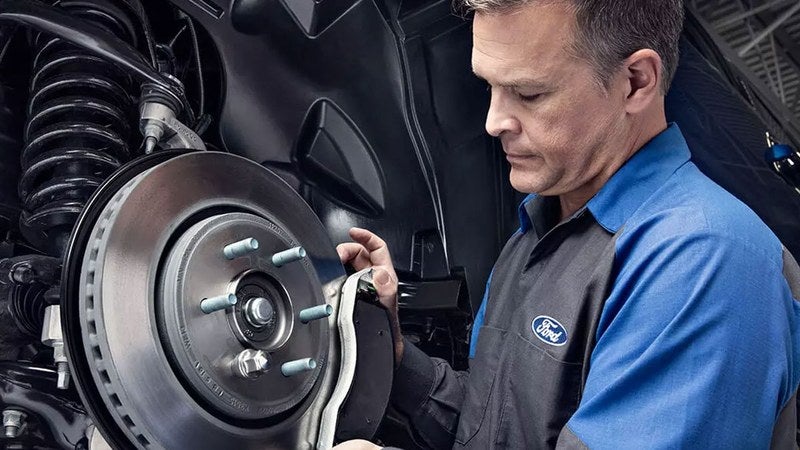
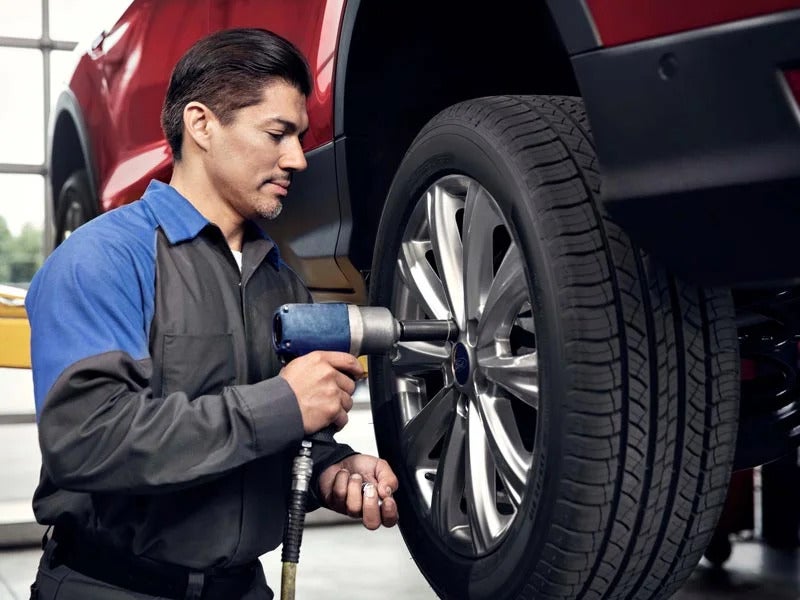
Ford technician fitting a genuine Ford brake rotor and pad, OEM Ford parts for drivers near Los Lunas, NM

OEM vs Aftermarket Ford Parts Near Los Lunas, NM: Are OEM Parts Worth It and Where Can You Get Them?

OEM Ford parts are worth paying more for when the repair involves safety systems, driver-assist cameras or radar, collision structure, a leased vehicle, or a Ford still under warranty. For wipers, bulbs, cabin filters and older high-mileage Fords, a reputable aftermarket part is often a fair way to save. Near Los Lunas, NM, genuine Ford and Motorcraft parts are sold through the Power Ford parts department in Albuquerque, roughly 25 to 30 minutes north on I-25 and reachable at (505) 225-7468. Below, OEM vs aftermarket Ford parts go head to head on fit, materials, price, warranty, ADAS calibration, collision repair, lease returns and resale, so you can make the call one part at a time. OEM vs Aftermarket Ford Parts: Fit, Materials and Price OEM means the part was built to Ford's own specification and sold under the Ford Genuine Parts name or as Motorcraft, Ford's service-parts brand. Its part number is tied to how your vehicle was built, so a VIN lookup at the parts counter accounts for engine, trim, production date and the running changes Ford makes partway through a model year. An aftermarket part is designed by another company to fit a range of vehicles, usually by measuring the original. Some aftermarket brands do that very well and some do not, and the difference tends to hide where you cannot see it on the shelf: the rubber compound in a control-arm bushing, the friction material in a brake pad, the thickness of a bracket, or an electrical connector that clicks in but never seats quite as firmly. Price is where aftermarket wins at the counter, and for plenty of jobs the saving is worth taking. Wiper blades, bulbs, cabin air filters and tires in the correct size and load rating are easy places to spend less, and on a 15-year-old truck with 200,000 miles, a budget part matched to the vehicle's remaining life can be the sensible choice. The math changes once you price the whole job. Labor costs the same whichever part goes in, so a part that wears out early or takes a second visit to fit correctly can wipe out the saving. Ask for the Motorcraft price on maintenance items such as filters, batteries and brake pads as well; it is Ford's own line for everyday service parts, and the gap to aftermarket is sometimes smaller than shoppers expect. Shop Genuine Ford Parts by VIN How Warranty Coverage Compares on OEM and Aftermarket Parts Genuine Ford and Motorcraft parts carry Ford's own limited parts warranty of 24 months with unlimited mileage, starting on the day a retail customer buys the part. When the part is professionally installed, limited labor is covered too, and a claim can be handled by the original installer or by any Ford or Lincoln dealer, which is useful if something fails on a trip far from Valencia County. Some categories get longer coverage: Ford's Ford and Motorcraft service parts warranty summary lists 3 years with unlimited miles, labor included, on new and remanufactured transmission and gas engine assemblies, and a limited lifetime warranty for the original purchaser on struts and shocks for non-commercial cars and light trucks. Aftermarket coverage depends on the brand and the store, and many parts-store warranties replace the part without paying anyone to install it again. What aftermarket parts do not do is automatically void your Ford new-vehicle warranty. Under the federal Magnuson-Moss Warranty Act, the FTC's guide to auto warranties explains that your warranty stays in effect if you use aftermarket or recycled parts, and that a manufacturer or dealer must prove an aftermarket part caused the damage before refusing coverage. The reverse also holds: if a non-Ford part fails and damages a covered component, that repair can be denied, and Ford's parts warranty itself excludes failures caused by non-Ford parts. So the case for OEM is about fit and quality rather than a warranty threat. Whichever you choose, keep every receipt and repair order, since maintenance records are what a claim is judged on. Schedule Service With Genuine Ford Parts ADAS Calibration and Collision Repair: Where OEM Matters Most Driver-assist hardware is where the OEM vs aftermarket question has its clearest answer. Fords equipped with Ford Co-Pilot360 rely on a forward camera at the top of the windshield and, on many models, a radar sensor behind the grille or front bumper. Ford's collision repair position statement on ADAS, updated in 2026, requires a scan before and after repairs and a calibration whenever the work touches a sensor, its mounting point, or a part in its field of view, such as the windshield, bumper cover, grille or a bracket. The same statement says recycled, salvaged, aftermarket and reconditioned ADAS sensors are not approved, and warns that aftermarket bumper parts can differ in material thickness or composition in ways that interfere with radar. Ford also does not approve aftermarket windshields, because glass that distorts the camera's view can cause system faults or unintended braking, so when a rock strike on I-25 turns into a cracked windshield, ask for Ford glass and a documented calibration. After a collision, read the estimate before you sign: insurers often specify non-OEM or recycled parts to hold down cost, so ask what is going on the vehicle, whether your policy offers an OEM-parts option, and whether the shop is following Ford's repair procedures. For everyday maintenance rather than crash work, our Albuquerque guide to genuine Ford parts and certified service covers oil changes, brakes, tires and batteries. Lease Returns and Resale: Where OEM Pays You Back If you lease through Ford Credit, the vehicle is inspected when you turn it in, and Ford Credit's excess wear and use guidelines list insufficient or poor-quality repairs, broken or missing parts, and tires that are not an appropriate match for the vehicle among the conditions that can be charged. A well-made aftermarket part is not an automatic problem, but a bumper cover with uneven gaps, a headlamp that has clouded faster than the one beside it, or a mismatched set of tires is the kind of thing an inspector writes down. On a lease, OEM is the low-risk choice, because the vehicle is going back to be judged against how it left the factory. Resale follows the same logic, with an appraiser or private buyer in place of the lease inspector. Panel gaps that do not line up, paint that does not match and a driver-assist warning on the dash all show up in an offer, and a used Ford has to pass a 172-point inspection by a Ford factory-trained technician before a dealer can sell it as Gold Certified. A folder of repair orders showing genuine parts and documented calibrations is easy for the next owner to trust, and it gives the appraiser one less unknown to price in when you trade the vehicle in. Visit Our Ford Dealership Near Los Lunas Where to Get Genuine Ford Parts Near Los Lunas Genuine Ford parts are sold through franchised Ford dealer parts departments, and Power Ford's parts counter at 1101 Montaño Rd NE in Albuquerque is roughly 25 to 30 minutes north of Los Lunas on I-25. It is open Monday through Friday from 7:30 a.m. to 5:00 p.m. and Saturday from 8:00 a.m. to 5:00 p.m., closed Sunday, at (505) 225-7468. Call ahead with your VIN so the part is confirmed and pulled, or ordered, before you leave Valencia County, which saves a wasted trip if it has to come in. If you would rather have it installed, our service department at (505) 933-7890 uses factory-trained technicians and can tell you up front whether the repair will need a calibration. Belen, Bosque Farms and Peralta drivers make the same run up the interstate. Truck owners will find the model-specific side of this in our guide to genuine OEM Ford F-150 parts for Rio Rancho drivers, including the maintenance parts we keep on the shelf. Common Questions About OEM vs Aftermarket Ford Parts Are OEM Ford parts worth it over aftermarket? Usually, yes, for safety systems, driver-assist cameras and radar, collision repairs, leased vehicles and Fords still under warranty, because OEM parts match the vehicle's build and carry Ford's 24-month, unlimited-mileage parts warranty. Aftermarket parts can be a fair saving on wipers, bulbs, cabin filters and older high-mileage vehicles. Compare the installed cost of the whole job rather than the part price alone, since labor costs the same either way. Will using aftermarket parts void my Ford warranty? No, not automatically. Under the federal Magnuson-Moss Warranty Act, the FTC says your vehicle warranty stays in effect if you use aftermarket or recycled parts, and the manufacturer or dealer must prove an aftermarket part caused a failure before denying that claim. If a non-Ford part does damage a covered component, that specific repair can be refused, so keep receipts and repair orders for every part and service. Where can I buy genuine Ford OEM parts near Los Lunas, NM? Power Ford's parts department at 1101 Montaño Rd NE in Albuquerque sells genuine Ford and Motorcraft parts and sits roughly 25 to 30 minutes north of Los Lunas on I-25. Call (505) 225-7468 with your VIN to confirm the part before you drive up. Parts hours are Monday through Friday from 7:30 a.m. to 5:00 p.m. and Saturday from 8:00 a.m. to 5:00 p.m., closed Sunday. Price the Whole Job Before You Choose The quickest way to settle OEM vs aftermarket for your Ford is to price the actual repair. Call the parts desk at (505) 225-7468 with your VIN and the part you need, ask for the Ford Genuine or Motorcraft price, and set it beside the aftermarket quote you already have, labor and warranty included. If the estimate has you wondering whether it's time for a newer Ford instead, we can run those numbers on the same visit. We'll beat any Ford deal in New Mexico, or you'll get $1,000 cash in your pocket. Schedule a Test Drive Contact Our Team
Genuine Ford Parts graphic for the Power Ford parts department in Albuquerque

Who Sells Wholesale Ford OEM Parts in Bulk to Repair Shops Near Albuquerque, NM

Repair shops around Albuquerque source wholesale Ford OEM parts the same way dealers do: through a franchised Ford parts department, ordering against Ford's own catalog by VIN rather than a generic cross-reference. Power Ford's parts department in Albuquerque fills that role for shops across the metro, at (505) 225-7468. What follows is the practical side — how VIN-level ordering keeps the wrong part off your bench, what to have ready before you call, and where the OEM-versus-aftermarket decision actually costs you money on a comeback. What a Shop Actually Needs From an OEM Parts Source Consumer parts advice is about whether OEM is worth it. For a shop, that argument was settled by the third comeback. What matters day to day is narrower: can you get the exact part for this VIN, can you find out today whether it is on the shelf or three days out, and does the counter answer the phone during your working hours. A generic catalog that lists one water pump for a model year is not good enough when mid-year running changes mean two exist. VIN-level ordering is the whole difference. A franchised Ford parts department queries the same catalog Ford builds the vehicles from, so the part number comes back tied to the actual build — engine code, axle, production date, the running change that happened in March. That is also why the two brands you will be quoted are Ford Genuine Parts and Motorcraft, Ford's own service-parts line. Ford's official parts catalog organizes the same inventory by category if you want to check a number before you call. Order Ford Parts Online Ordering in Volume Through the Parts Desk Bulk and repeat ordering for shops is handled by the parts counter directly, not through a web form. Call (505) 225-7468 with your shop name, the makes you see most, and a sense of your typical order mix, and the parts team can talk through pricing on volume, what is stocked locally versus what comes in on a regional order, and how quickly the lines you use most can be turned around. That conversation is worth having once properly rather than ad hoc on every job. Have the VINs ready. For a multi-line order the fastest path is VIN plus the part numbers you have already identified, because it lets the counter confirm fitment and availability in one pass instead of three calls. Shops running Ford fleet work should also know there is a dedicated Commercial Vehicle Center on the retail side, with fleet management support, commercial financing and priority commercial service scheduling — relevant if your customers are running vehicles you also help them buy and upfit. See Commercial and Fleet Services Where OEM Pays for Itself on a Comeback The cost of an aftermarket part is not its price, it is the probability you touch that job twice. Sensors and modules are the clearest case: a part that reports slightly outside the expected range will set a code, pass a bench test, and come back as a diagnostic argument you cannot bill for. Body and structural parts are the second, because panel gaps and mounting-point tolerances decide whether a calibration completes. There is also a category where the choice is not yours at all — open recall work has to run through a franchised dealer with the specified part, so it is worth running customer VINs through NHTSA's free recall lookup before you quote a job that overlaps one. Our wider guide to genuine Ford parts and certified service in Albuquerque covers the OEM-versus-aftermarket comparison in more depth. Setting Up Ordering as a Shop The parts department is at 1101 Montaño Rd NE in Albuquerque, open Monday through Friday from 7:30 a.m. to 5:00 p.m. and Saturday from 8:00 a.m. to 5:00 p.m., closed Sunday — the early weekday open is the useful part, since it lines up with when most shops are writing the day's tickets. Come in or call with your business details and the parts team will walk through how ordering, quoting and pickup work for your volume. Two things make every order after the first one faster: give the counter a single point of contact at your shop, and keep your own record of the Ford part numbers you reorder most. Shops that do both stop re-deriving the same number every time a common job comes through the door, and the counter can flag it when a superseded number replaces one you use regularly. Visit Power Ford in Albuquerque Shops and Fleets We Supply Around the Metro Most of the shops we deal with are inside the Albuquerque metro, but the counter regularly fills orders heading out to Rio Rancho, Corrales, Bernalillo, Los Lunas, Belen and Edgewood. Truck parts dominate the volume, which is no surprise in New Mexico — we wrote up the model-specific side of that in our guide to finding genuine OEM Ford F-150 parts near Rio Rancho, covering the lines that move fastest and why F-150 part numbers in particular reward checking against the VIN rather than the model year. Common Questions Repair Shops Ask Us Who sells wholesale Ford OEM parts to repair shops near Albuquerque, NM? Power Ford's parts department in Albuquerque supplies genuine Ford and Motorcraft parts to independent repair shops, fleets and body shops as a franchised Ford dealer. Orders are placed by VIN against Ford's own catalog, so what arrives matches the build rather than a generic cross-reference. Call the parts desk at (505) 225-7468 to set up ordering. Can an independent repair shop buy Ford OEM parts in bulk? Yes. Independent shops order genuine Ford and Motorcraft parts through a franchised Ford dealer's parts department, and Power Ford handles that for shops across the Albuquerque metro. Volume and account arrangements are worked out directly with the parts desk rather than through a web form, so call (505) 225-7468 with your shop details and typical order mix. What are Power Ford's parts department hours and phone number? Power Ford's parts department is at 1101 Montaño Rd NE in Albuquerque and is reachable at (505) 225-7468. Hours are Monday through Friday from 7:30 a.m. to 5:00 p.m. and Saturday from 8:00 a.m. to 5:00 p.m., closed Sunday. Having VINs and part numbers ready makes a volume order considerably faster to quote. Talk to the Parts Counter Directly The fastest way to find out whether we are the right OEM source for your shop is to call the parts desk at (505) 225-7468 and price a few of the lines you order most against what you pay now. And if your shop is also running work trucks, the same conversation can cover the vehicle side: We'll beat any Ford deal in New Mexico, or you'll get $1,000 cash in your pocket. Either way, you will get a straight answer rather than a quote form. Schedule a Test Drive Contact Our Team
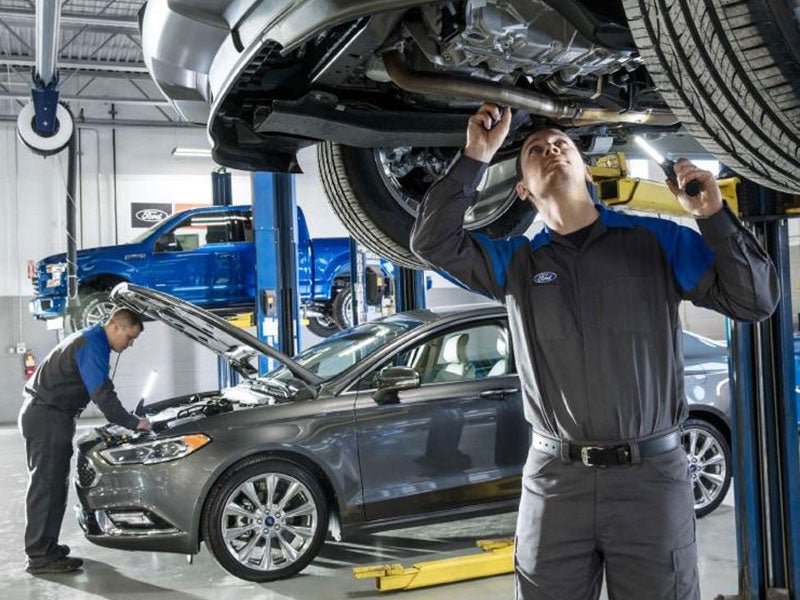
Ford certified service department at Power Ford

Your Guide to Genuine Ford Parts and Trusted Service in Albuquerque

When something needs attention on our customers' Ford vehicles, we know it matters whether the part going back in is a genuine Ford piece engineered for that exact vehicle, and whether the person doing the work is a factory-trained technician who knows Ford systems inside and out. Aftermarket parts and generalist shops might seem convenient, but they can't match the fit, warranty coverage, and manufacturer-backed expertise we provide every day at our dealership. We're proud to be the trusted source for genuine Ford OEM parts and certified Ford service across the Albuquerque metro, serving drivers throughout Rio Rancho, Belen, Los Lunas, Edgewood, Santa Fe, Bernalillo, Los Ranchos de Albuquerque, the South Valley, North Valley, Carnuel, Corrales, and Bosque Farms. Below, we break down why genuine parts matter, what our service department offers, and how you can get the maintenance or repairs your Ford deserves. Why Genuine Ford OEM Parts Matter Vs Aftermarket Every genuine Ford part we install is engineered and tested to the exact specifications of your vehicle, which means correct fit, proper performance, and coverage that protects you if something goes wrong. Aftermarket parts are often made to a generic standard that may fit "close enough," but that can mean uneven wear, reduced performance, or components that fail sooner than they should. We stock and install genuine OEM parts because we want every repair to hold up the way Ford intended, not just get a vehicle back on the road for the moment. If you prefer to handle a repair yourself or need a part for a project vehicle, you can also browse and order genuine Ford parts online directly from our parts team. What Our Certified Service Department Offers Our service department is staffed with Ford factory-trained technicians who complete ongoing manufacturer training to stay current on every system, from traditional gas engines to hybrid and EV powertrains. We make it easy to get on our schedule with an online appointment tool, and for customers who can't easily make it to our service drive, we offer pickup and delivery so we can collect your vehicle, complete the work, and bring it back to you. For quicker, no-appointment-needed maintenance like oil changes, tire rotations, and brake checks, our Quick Lane is set up to get you in and out efficiently without sacrificing the same trusted technicians and genuine parts. Whatever your Ford needs, we're set up to make service convenient for drivers across the Albuquerque metro. Schedule Service Online Routine Maintenance We Handle Staying on top of routine maintenance is one of the simplest ways to protect your Ford's reliability and resale value, and our team follows the manufacturer's recommended maintenance schedule for every service we perform. Here's a look at the core services we handle most often. Oil Changes and The Works Fresh oil and a genuine OEM filter keep your engine running smoothly, and our oil change and Ford Motorcraft Works package also includes a multi-point check of key systems so we can catch small issues before they become expensive ones. Tire Care Even tire wear starts with regular rotations, balancing, and pressure checks, and our technicians inspect tread depth and alignment at every visit. We've covered how often you should rotate your tires in detail on our blog, so take a look there if you want the full breakdown before your next visit with us. Brakes Worn brake pads, low fluid, or a soft pedal are all signs it's time for an inspection, and our brake service covers everything from pad replacement to fluid exchanges so you can stop with confidence. Batteries New Mexico's temperature swings are tough on batteries, which is why we offer battery testing and replacement to help you avoid getting stranded, along with terminal cleaning to keep your electrical connections solid. How To Get Parts Or Schedule Service Getting genuine parts or booking a service appointment with us is straightforward. You can call our parts team directly at 505-225-7468 or our service department at 505-933-7890, use our online scheduler to pick a day and time that works for you, or stop by our dealership at 1101 Montano N.E. in Albuquerque. We're happy to help you figure out exactly which part or service your Ford needs, whether that's a routine visit or something more involved. Frequently Asked Questions Where can I buy genuine Ford OEM parts in Albuquerque? We stock genuine Ford OEM parts in our Albuquerque parts department and also sell them online, so Ford owners throughout the metro can order the exact part their vehicle needs without guessing at aftermarket compatibility. What makes certified Ford service different from a regular repair shop? Certified Ford service means factory-trained technicians who use genuine OEM parts and manufacturer-specific diagnostic tools, which typically results in more accurate repairs and better long-term reliability than a general repair shop. Do you offer pickup and delivery or Quick Lane service? Yes, we offer Ford Pickup and Delivery for customers who can't come to us, and our Quick Lane handles routine maintenance like oil changes, tire rotations, and brake checks without an appointment. How often should I bring my Ford in for maintenance? Most routine maintenance, including oil changes and tire rotations, falls in the range of every 5,000 to 10,000 miles depending on the service, but the exact interval depends on your specific Ford model and driving conditions, so we recommend following your owner's manual or asking our service team directly. Visit Us for Genuine Parts and Certified Service Whether you need a specific OEM part or a full service visit, we're here to keep your Ford running the way it was designed to. Our Albuquerque location makes us a convenient stop for drivers across Rio Rancho, Belen, Los Lunas, Edgewood, Santa Fe, Bernalillo, and the surrounding area. Schedule Service Contact Our Parts Team

Power Ford Car Battery Works

How a Car Battery Works

How a Car Battery Works: A car battery powers your vehicle's entire electrical system through a series of chemical reactions between lead plates and a sulfuric acid electrolyte solution, producing the approximately 12.6 volts needed to start your engine and keep everything running. Understanding the key components — from battery cells and terminals to the role of the alternator — helps you recognize warning signs before a breakdown occurs. At Power Ford in Albuquerque, we're here to help you keep your battery and electrical system in top condition. Ever wondered what powers your car? It's your car battery — the heart of your vehicle's electrical system. At Power Ford, we know how crucial it is to understand your battery's parts. We'll dive into the internal battery elements that make it all work. Whether you love cars or just want to know more, you'll learn how these parts create electricity for your vehicle. Let's explore the world of car batteries together. Need help or have questions? Contact us at Power Ford. We're ready to help keep your car running great! Explore Our Battery Service Options Understanding the Basic Operation of a Car Battery When you turn the key in your car, the lead-acid battery springs into action. It's important to know how this battery works. Let's look at the lead-acid battery structure, the battery cell construction, and how electrical current is generated. Lead-Acid Battery Structure and Chemical Reaction A typical lead-acid battery has six cells. Each cell has positive and negative electrodes in an electrolyte solution made of sulfuric acid and water. The chemical reaction between the lead plates and the acid is key — this reaction creates the electrical energy that powers your vehicle. Battery Cell Construction and Voltage Production The battery cells are built to work together in series. Each cell produces about 2.1 volts, adding up to a total of approximately 12.6 volts. The positive and negative electrodes are crucial, as they allow the chemical reaction to happen and generate the needed voltage. How Electrical Current Is Generated and Flows Electrical current flows through the battery's internal elements, allowing your car's electrical system to function. When the battery discharges, electrons move from the negative electrode to the positive electrode. This movement of electrons creates the current that starts your engine and powers other electrical components. Six cells create a total of 12.6 volts. Positive and negative electrodes are essential for chemical reactions. Electrolyte solution is a mix of sulfuric acid and water. Electrical current flows through internal battery elements. Understanding these parts and processes helps you see how your car battery works. This knowledge can help you keep your vehicle running well and address any battery problems early. Exploring Key Car Battery Components Knowing what makes up your car battery is key to understanding how it works. Each part is vital for your car to run smoothly. Let's look at the internal parts, materials, electrolyte, terminals, and case design. Internal Battery Elements and Their Functions The inside of your car battery contains: Positive plates made of lead oxide Negative plates made of pure lead Electrolyte solution that facilitates chemical reactions These parts work together to make electricity. The plates react with the electrolyte to allow current to flow. Battery Plate Materials and Electrolyte Solution Composition The materials of the battery plates are crucial. Lead and lead oxide are commonly used. The electrolyte is a mix of sulfuric acid and water, which is essential for the chemical reactions that generate electricity. Battery Terminal Types and Battery Case Design Battery terminals are important for connecting your battery to your car's electrical system. There are two main types: Positive terminals Negative terminals Each type ensures the proper flow of electricity. The design of the battery case is also critical — it keeps the interior safe from damage and leaks, helping your battery last longer. Component Material Function Positive Plate Lead Oxide Generates electrical energy Negative Plate Pure Lead Completes the chemical reaction Electrolyte Solution Sulfuric Acid and Water Facilitates chemical reactions Battery Terminal Lead or Copper Connects to vehicle electrical system Battery Case Plastic or Composite Material Protects internal components The Role of the Alternator and Battery Maintenance Your car's alternator is key to keeping your battery charged. It generates electricity as you drive, keeping your battery ready to start your engine. Keeping your battery in good shape is important. Test your battery's voltage regularly, and look for signs such as corrosion or a slow engine start. These could mean it's time for a new battery. It's also a good idea to know how to jumpstart a car in case you ever find yourself stranded with a dead battery. You can also review our general maintenance advice and stay current with your vehicle's recommended maintenance schedule to help extend battery life. At Power Ford, we know how vital a good battery is. Need help with battery testing, battery service, or recharging? Give us a call at (505) 933-7883 or visit us at 1101 Montano Rd. N.E., Albuquerque, NM 87107. Our service department is here to keep your car's electrical system running strong. Get Expert Battery Advice at Power Ford FAQ What are the main components of a car battery? A car battery has several key parts, including the battery case, positive and negative electrodes, and battery plates made of lead and lead oxide. It also contains an electrolyte solution of sulfuric acid and water, as well as battery terminals that connect to your car's electrical system. How does a lead-acid battery generate electricity? A lead-acid battery generates electricity through a chemical reaction between the lead plates and the sulfuric acid electrolyte. During discharge, lead dioxide on the positive plate reacts with the sulfuric acid, producing lead sulfate and releasing electrical energy that powers your vehicle. What is the role of the electrolyte solution in a car battery? The electrolyte solution — a mixture of sulfuric acid and water — is crucial to a car battery's function. It facilitates the chemical reactions within the battery and allows ions to move between the positive and negative electrodes, which is essential for generating electrical current. How do battery terminals differ? Battery terminals come in different designs, including top-post and side-terminal styles. The type you choose can affect installation ease, connection reliability, and compatibility with your vehicle's electrical system. Our service team can help you identify the correct terminal type for your car. What should I look for when maintaining my car battery? To keep your car battery in good condition, check for corrosion on the terminals, ensure the battery is securely mounted, and test the battery's voltage regularly. If you notice swelling, leaks, or a drop in performance, it may be time for a replacement. Give us a call at (505) 933-7883 and our service team will be happy to help you assess your battery's health. Schedule Your Battery Service Today

Power Ford Synthetic Oil

How Often to Change Synthetic Oil

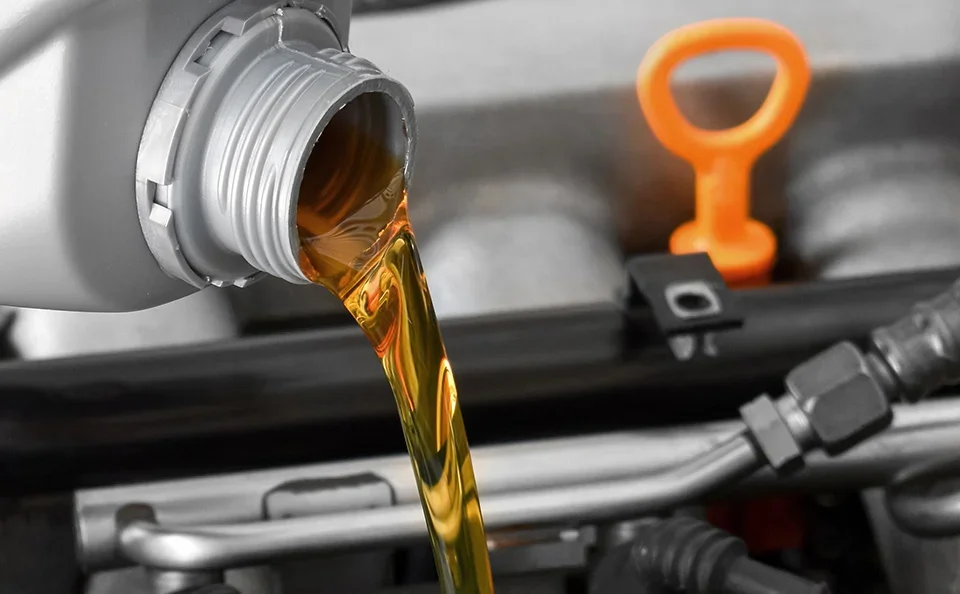
Most vehicles using synthetic oil need an oil change every 7,500 to 10,000 miles, or at least once a year. However, severe driving conditions such as frequent short trips, extreme temperatures, or heavy towing may require more frequent changes every 5,000 to 7,500 miles. Always consult your owner's manual and oil monitoring system for the best schedule for your specific vehicle. Ever thought about how often to change synthetic oil in your car? It's key for your vehicle's health. At Power Ford, we make it easy to figure out oil change times. Synthetic oil is vital for your engine. It moves from the engine sump to valve gear at start-up. It keeps protecting as temperatures go up. Most cars need oil changes every 7,500 to 10,000 miles. Some makers say it's okay to wait up to 16,000 miles. So, when should you change synthetic oil? At least once a year is the rule. Regular oil changes bring many benefits. They make your car run cleaner, save gas, last longer, and perform better. Always check your car's manual for the best schedule for your model. At Power Ford, we're here to help you keep your car in top shape. Our skilled technicians will help you understand synthetic oil changes. This way, your car will stay in great condition for many years. Schedule Your Oil Change Understanding Synthetic Oil and Its Role in Your Engine Synthetic oil is a big step forward in car lubrication. It's not like regular motor oil. It gives your engine top-notch protection. To know when to change synthetic oil, you need to understand its unique qualities. What Makes Synthetic Oil Different from Conventional Oil Synthetic oil is made differently than regular oil. While regular oil comes from crude oil, synthetic oil is made in labs. The main differences are: Molecular uniformity for smoother engine performance Stability in extreme temperatures Stronger against breakdown and contamination These traits mean synthetic oil protects your engine better in all driving conditions. Knowing when to change synthetic oil depends on these special features. The Benefits of Using Synthetic Oil in Your Vehicle Using synthetic oil has many benefits for your car's health: Longer engine life with better lubrication Better fuel efficiency Less engine wear in extreme temperatures Cleaner engine internals Synthetic Oil Characteristic Performance Benefit Higher Temperature Resistance Maintains lubrication during intense heat Better Cold-Start Protection Reduces engine stress during winter Lower Friction Coefficient Improves overall engine efficiency Even though synthetic oil changes cost more at first, the long-term benefits are worth it. Your engine gets top-notch protection. This means fewer repairs and a longer car life. How Often Do You Change Synthetic Oil in a Car Knowing when to change full synthetic oil is key to keeping your car running well. Most cars need synthetic oil changes every 7,500 to 10,000 miles. Some makers say you can go up to 15,000 miles. How often you should change synthetic oil depends on a few things: Vehicle make and model Driving conditions Manufacturer recommendations Vehicle age For regular driving, here's a basic rule for synthetic oil changes: Driving Type Oil Change Interval Normal Driving Conditions 7,500 - 10,000 miles Severe Driving Conditions 5,000 - 7,500 miles Extended Highway Driving Up to 15,000 miles Your car's manual is the best guide for oil change times. Newer cars might have systems that tell you when to change oil. Even if you don't drive much, change synthetic oil yearly to keep it fresh. If you're unsure, talk to a mechanic. They can give advice based on your car and how you drive. Keeping track of your oil changes is important for your car's health and performance. Factors That Affect Your Synthetic Oil Change Schedule Changing synthetic oil isn't the same for everyone. Your driving habits and car's condition are key. They help decide when to change your oil. Many factors affect synthetic oil change frequency. Knowing these can keep your engine running well. Impact of Severe Driving Conditions Severe driving can shorten synthetic oil life. Conditions include: Frequent short trips under 5 miles Extreme temperature variations Dusty or sandy road environments Stop-and-go traffic Heavy load towing In tough driving conditions, you might need to change oil more often. For most, changing synthetic oil every 5,000 to 7,500 miles is best. Manufacturer Recommendations and Oil Monitoring Systems Today's cars have advanced oil monitoring systems. They track your driving. These systems help figure out when to change synthetic oil. Always check your car's manual for the best advice. Most makers give specific oil change times for your car. This keeps your engine safe. If you're unsure about synthetic oil change frequency, our service center can help. We consider your car's state and driving habits for advice. Conclusion Synthetic oil changes are a smart way to keep your car running well for a long time. They help keep your Ford's engine clean and working great. This means your car can go a long way, maybe even up to 200,000 miles. When you change your oil regularly, you're doing a lot for your car. Always check the oil level and add more if needed. This stops your engine from getting damaged. At Power Ford, our team knows how to take care of your car. We use the right synthetic oil and keep track of your car's maintenance. We're here to help your car stay in top shape. Ready for your next oil change? Call us at 505-933-7890 or visit 1101 Montano Rd. N.E., Albuquerque, NM 87107. Our service center is quick and has comfy waiting areas. Let us help your Ford perform at its best. Schedule Your Oil Change FAQ Is synthetic oil really better than conventional oil? Yes, synthetic oil is better. It's made in labs with uniform molecules for better flow and protection. It also lasts longer, saves fuel, and cuts emissions. Though it costs more, it's worth it for your car's health. Do I need to change synthetic oil if I don't drive many miles? Yes, change synthetic oil at least once a year, even if you don't drive much. Oil breaks down over time, even when your car is parked. Always check your owner's manual for the best advice. What are considered severe driving conditions that might require more frequent oil changes? Severe conditions include short trips, dusty areas, towing, extreme temperatures, and city driving. In these cases, you might need to change oil every 5,000 to 7,500 miles instead of the usual. Can I rely on my car's oil monitoring system? Yes, modern Ford vehicles with Intelligent Oil-Life Monitor systems are very reliable. They track engine data and driving conditions to give you the best oil change schedule. Are synthetic oil changes more expensive? Synthetic oil changes cost more at first than conventional oil. But, they offer better protection and can save fuel in the long run. This makes them a good value for your car. Schedule Your Oil Change

Power Fort Top NM Hero

Power Ford is the #1 Selling Ford Dealer in NM AND Received Top 10 Phoenix Region Honors in 2025!

Power Ford is the #1 Ford dealership in New Mexico for 2025 and ranks in the Top 10 of the Phoenix Region. With 1,698 new Ford vehicles delivered in 2025—a 22.6% increase over the previous year—and recognition as a J.D. Power Dealer of Excellence, we deliver an award-winning customer experience backed by over 30 years of trusted service in Albuquerque. Ever wondered what makes a car dealership stand out? At Power Ford, the top Ford dealer in New Mexico, we've found the answer. We've achieved two big wins that show we're the best. Located in Albuquerque, our team at Power Ford is the number one Ford dealership in New Mexico for 2025. We're also in the Top 10 of the Phoenix Region. With over 30 years of service, we've earned a reputation for trust, performance, and customer commitment. Our success isn't just about selling cars. It's about giving New Mexico drivers an amazing experience. From our easy location at 1101 Montano Rd. N.E. to our record sales, Power Ford Albuquerque is changing the game. Contact Us Today Power Ford Achieves Record-Breaking Sales in 2025 At Power Ford, we're all about top-notch service and making our customers happy. This focus has taken us to new heights in New Mexico's car market. We've become a top choice for Ford cars, hitting a big milestone. Historic Vehicle Deliveries Demonstrate Market Leadership In 2025, we hit a huge milestone by selling 1,698 new Ford cars. This is our best year ever. It's a 22.6% jump from our 2024 sales of 1,385 cars. Total vehicles delivered in 2025: 1,698 Year-over-year growth: 22.6% Previous year sales: 1,385 vehicles What This Milestone Means for Albuquerque Drivers Being the top Ford dealer in New Mexico means great things for you. Our big sales mean: More cars to choose from, including the latest Ford models Better service for you Stronger deals with Ford Motor Company Lower prices for you Our success is more than just numbers. It's about earning your trust. We're honored to serve Albuquerque and keep giving you amazing car experiences. Top 10 Phoenix Region Recognition Sets Power Ford Apart from Competition Being ranked Top 10 in the Phoenix Region is a big deal for Power Ford. It shows our dedication to giving you the best Ford deals in Albuquerque and New Mexico. We're the only Ford dealership in our state to earn this honor, proving our top-notch performance in a tough Southwestern market. This achievement is unique. Our Top 10 status covers many states, showing we can compete with big city dealerships. It shows our hard work in: Exceptional sales volume Outstanding customer satisfaction Consistent performance in the automotive marketplace This means great benefits for you. Our ranking lets us: Secure a wider inventory selection Access exclusive Ford programs Negotiate the best Ford deals in Albuquerque Our Top 10 ranking is more than just a win for us. It's a sign of our commitment to serving you with honesty, skill, and care. Choosing Power Ford means picking a dealership that has shown its excellence across the Southwest. Contact Us Today Award-Winning Customer Experience Drives Our Success At Power Ford, we focus on more than just selling cars. We aim to give you an unmatched experience. This dedication has earned us top honors in the car industry. J.D. Power Dealer of Excellence Honors We're honored to be a J.D. Power Dealer of Excellence. This award shows our commitment to top-notch service. It's a tough achievement that shows our hard work. Proven track record of outstanding customer service Comprehensive Power Ford inventory meeting diverse customer needs Transparent and trustworthy dealership practices Our Better Deal. Better Experience.™ Promise Our promise is simple: we aim to give you more than a car. We want to give you a complete experience that focuses on you. Better Deal Better Experience Competitive Pricing Knowledgeable Staff Transparent Financing Pressure-Free Environment Genuine Vehicle Value Personalized Customer Support We're all about making your car-buying journey special. Visit us at 1101 Montano Rd. N.E. in Albuquerque. See the Power Ford difference for yourself. Conclusion Our journey at Power Ford Albuquerque is more than just numbers. We're a dedicated Ford dealership in New Mexico, focused on giving you great value. Our record of 1,698 vehicle deliveries and Top 10 Phoenix Region honors show our commitment to you. Buying a vehicle is about building strong relationships. Our Better Deal. Better Experience.™ promise is real. It's about being open, offering quality, and making sure you're happy. Whether it's your first Ford or an upgrade, we're here to help. Visit us at 1101 Montano Rd. N.E., Albuquerque, NM 87107, or call 505-933-7883. See why we're the #1 Ford dealer in New Mexico. Our team is ready to find the perfect vehicle for you. Your trust means the world to us. We can't wait to welcome you to the Power Ford family. Experience the difference that makes New Mexico drivers choose us again and again. Contact Us Today

Power Ford Jumpstart Hero

How to Jumpstart a Car

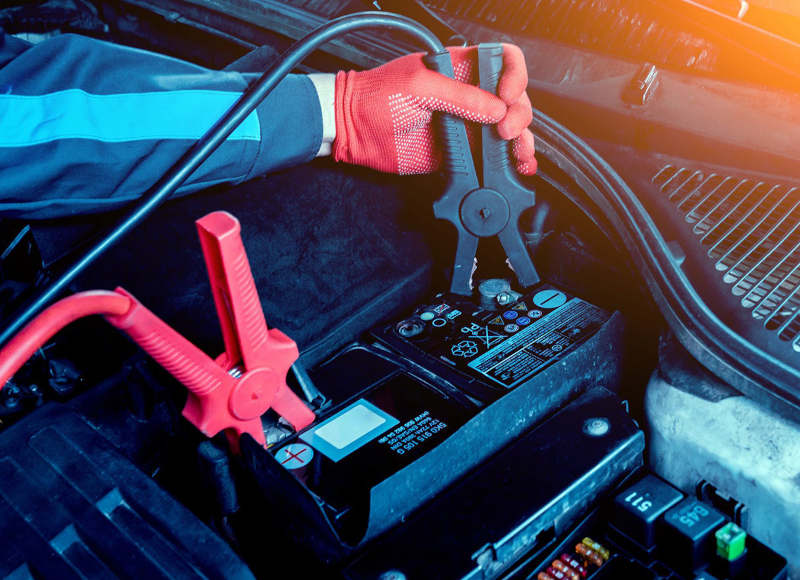
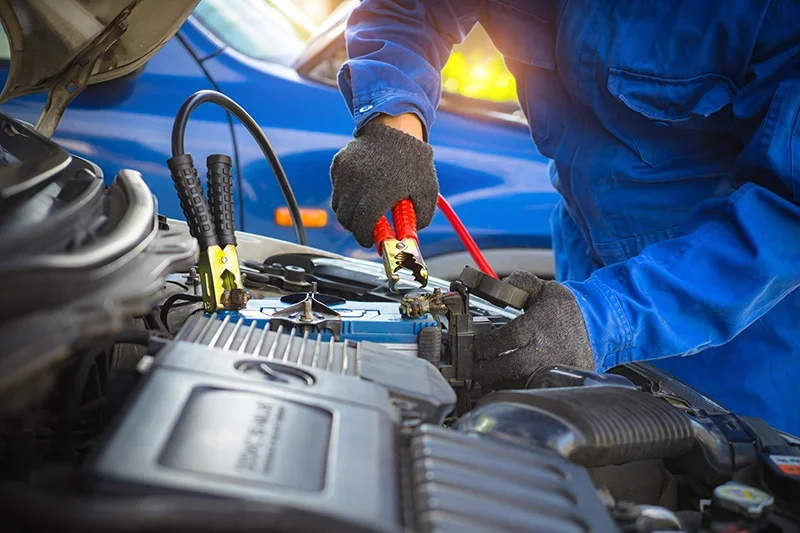
How to Jumpstart a Car: Connect jumper cables from a working vehicle to your dead battery, starting with positive terminals, then connect the negative cable to the working battery and to an engine ground point on the dead car. Start the working vehicle, then attempt to start the dead car. Always use proper safety gear and follow the correct sequence to avoid electrical damage. Ever been stuck with a dead battery, wondering if you can jumpstart a car yourself? It's a nightmare, whether you're in a hurry or far from home. At Power Ford in Albuquerque, we get how stressful a dead battery is. Our guide will show you how to jumpstart a car safely and easily. It's perfect for both experienced drivers and those new to roadside emergencies. Jumpstarting a car might seem scary, but with the right steps, you can do it. We'll make it simple, protecting you and your car's electrical systems. Your safety is our main concern when jumpstarting a car. Our team has put together this guide to help you handle battery issues carefully. Let's turn that frustrating moment into a successful restart! Need Help? Call us at 505-933-7890! What You'll Need to Jumpstart a Car Jumpstarting a car needs careful planning and the right tools. Before starting, make sure you have everything you need. Knowing what you need can make the process easier. Essential Equipment and Safety Gear To jumpstart a car safely, you need a few important items. Here's a list of what you'll need: High-quality jumper cables with clean, undamaged clamps Rubber work gloves to protect your hands Safety glasses to shield your eyes Clean, dry cloth for wiping battery terminals The engine block is key when using jumper cables. It acts as a grounding point for the negative cable. Knowing this helps you connect the cables correctly and safely. Before you start, check your battery for any signs of trouble. Look out for: Visible swelling or bulging of the battery case Cracks in the battery housing Leaking battery fluid Visible corrosion on battery terminals Choosing the Right Vehicle to Help Not all cars can help jumpstart another. You need a donor vehicle with certain features for a safe jumpstart: Fully charged 12-volt battery Compatible voltage with your vehicle Standard gasoline or diesel vehicle (avoid hybrids or electric cars) Make sure the vehicles are close enough for the cables to reach. But they should not touch. Both cars should be in park (or neutral for manual transmissions) with parking brakes on. These steps help you jumpstart your car safely and get back on the road fast. Need Help? Call us at 505-933-7890! Step-by-Step Guide to Jumpstart a Car Jumpstarting a car might seem scary, but it's easier than you think. Just follow some simple steps and you'll be driving again in no time. First, make sure you have your jumper cables ready. Also, park both cars in a safe spot, side by side but not touching. Park both vehicles close together, ensuring they're not touching. Keep both cars in park with parking brakes engaged. Locate the batteries in both vehicles. Identify the positive (+) and negative (-) terminals clearly. When connecting jumper cables, start with the red cable. Connect one end to the working battery's positive terminal, then to the dead car's positive terminal. For the black cable, knowing where to connect is crucial. Where to connect the black cable on the dead car is not the negative terminal, but an engine block ground point. Finding the right spot to connect the jumper cable to the engine block is key. Look for a metal surface on the engine block or chassis that's not painted. This spot is safe and away from the battery. Attach the black cable's other end to an unpainted metal surface on the engine block, away from fuel lines and moving parts. Start the working vehicle and let it run for about a minute. Try starting the car with the dead battery. If successful, let both vehicles idle for 10 minutes. When you're done, remove the cables in the reverse order. After jumpstarting, drive your car for at least 30 minutes. This helps recharge the battery. If your car still won't start, you might need a pro's help. Remember, the right way to connect jumper cables to the engine block is important. It keeps your car safe and prevents damage. Conclusion Learning to jumpstart a car is a key skill for avoiding roadside troubles. Knowing how to do it can quickly get you moving again. But, it's important to remember it's just a temporary fix. Car batteries usually last 5 to 7 years. If you're jumping-starting your car often, it's time for a battery check. Our team at Power Ford can do a detailed battery test to check your car's electrical system. If you're having battery troubles, don't wait to call our expert technicians. We're here to find and fix any electrical issues. Visit Power Ford at 1101 Montano Rd. N.E., Albuquerque, NM 87107, or call 505-933-7890 for a free battery test and advice. While knowing how to jumpstart is useful, getting professional help is best for your car's long-term health. We're committed to keeping you safe on the road. Need Help? Call us at 505-933-7890! FAQ How long should I run my car after a jump start? After a jump start, drive your car for at least 30 minutes. This helps recharge the battery. Avoid short trips or stop-and-go traffic. It won't give your battery enough time to fully charge. Can I use any vehicle to jump-start my car? No, you can't use just any vehicle. You need one with a fully charged battery of the same voltage. Hybrid or electric vehicles are not good choices because their systems are different and could get damaged. Where exactly should I connect the black jumper cable? Connect the black (negative) cable to the negative terminal of the working battery. But, the other end should go to an unpainted metal surface on the engine block or chassis. Avoid the dead battery's negative terminal. Look for a bare metal area away from the battery, fuel lines, and moving parts. Can I jump-start my car in wet conditions? It's possible, but not recommended. Wet conditions can lead to electrical shorts or shock. If you must jump-start in damp weather, make sure all connections are dry and secure. What safety gear should I wear when jump-starting a car? Wear rubber work gloves to protect your hands and safety glasses to protect your eyes from sparks or acid. Remove any jewelry, watches, or loose clothing that could get caught in the engine or cause a short circuit. How long should I wait between connecting cables and starting the car? Wait about three minutes after connecting the cables to let the charge start transferring. Then, start the donor vehicle and let it run for a minute. This ensures a stable power transfer before trying to start your vehicle. Need Help? Call us at 505-933-7890!

Power Ford How Often Tire Rotation Hero

How Often to Rotate Tires

Tire Rotation Schedule: Most vehicles should have their tires rotated every 5,000 to 7,500 miles or every six months. This routine maintenance prevents uneven tire wear, extends tire life, improves vehicle handling, and maintains optimal safety on the road. Did you know that not rotating your tires can cost you money and risk your safety? At Power Ford, we know it's more than just a routine. It's about keeping your car safe and running smoothly. Rotating your tires isn't a one-size-fits-all rule. Most experts say to do it every 5,000 to 8,000 miles or every six months. This keeps your tires even, making them last longer and your car run better. Our team at Power Ford helps Albuquerque drivers figure out when to rotate their tires. By doing this, you'll save money, drive better, and stay safe on New Mexico's roads. Want to know the best tire rotation plan for your car? Our experts are here to help. They'll make sure your car runs its best. Schedule Tire Rotation Service When Are You Supposed to Rotate Your Tires? Knowing when to rotate your tires is key for your car's performance and tire longevity. It's more than just routine care. It's about staying safe and enjoying a better drive. Recommended Tire Rotation Intervals Experts say to rotate tires every 5,000 to 7,500 miles. It's best to do it when you get your oil changed. This makes it easy to remember when to check your tires. Standard passenger vehicles: 5,000-7,500 miles High-mileage drivers: Consider rotations every 3,000-5,000 miles Seasonal tire rotation: Twice per year for regions with significant weather changes Factors Influencing Tire Rotation Schedule How often you should rotate your tires depends on a few things. Your car's maker has the best advice for your model. Annual driving distance Driving conditions (highway vs. city) Vehicle drivetrain type Tire wear patterns Specific tire manufacturer recommendations Drivers in special conditions might need to rotate more often. Cars that are high-performance, heavy-duty trucks, or driven in tough places need extra care. Always check your car's manual and talk to a pro to find the right rotation schedule. Regular rotations can make your tires last longer and your car run better. Why Regular Tire Rotation Matters for Your Vehicle Many drivers forget how important car maintenance tire rotation is. When you rotate your tires regularly, you're helping your vehicle stay safe and perform well. Regular tire rotation offers many benefits for your vehicle: Extends tire lifespan Improves vehicle handling Enhances overall driving safety Prevents uneven tire wear Most cars wear out their tires differently. Front tires wear faster because of: Engine weight concentration Increased steering forces Braking pressure dynamics Not rotating your tires can cause big problems. Your car might use more fuel, have a higher chance of tire blowouts, and struggle in bad weather. Rotation Frequency Vehicle Type Recommended Miles Standard Passenger Cars 5,000-7,500 miles Performance Sports/Luxury Vehicles 3,000-5,000 miles By focusing on tire rotation, you're making your vehicle last longer and keeping yourself safe. Watch for signs like unusual vibrations, your car pulling to one side, or using more fuel than usual. These could mean it's time to rotate your tires. Conclusion Regular tire rotation is key to keeping your tires in good shape. It also makes your vehicle run better. At Power Ford, we know how important it is for your safety and your car's life. Our certified techs are experts in rotating tires for your car. Whether it's a Ford F-150, Explorer, or Escape, we follow the manufacturer's rules. This keeps your warranty valid and your car running smoothly. It's easy to book your tire rotation. Our team suggests doing it every 5,000 to 7,500 miles. You can do it with your oil change, keeping your car healthy. Want to take care of your car? Come to Power Ford's service center at 1101 Montano Rd. N.E. in Albuquerque. Or call us at 505-933-7890. Our service advisors are ready to help you with a maintenance plan for your car. Book Your Service Appointment FAQ Do different types of vehicles require different tire rotation schedules? Yes, the schedule depends on your vehicle type. It includes front-wheel drive, rear-wheel drive, all-wheel drive, or four-wheel drive. Your car's maker and how you drive also play a role. What are the signs that I need to rotate my tires? Look out for signs like your car pulling to one side or vibrating. Also, check for uneven wear, lower fuel efficiency, or a tire losing air pressure. These signs mean it's time for a rotation. Can I rotate my tires myself? You can try, but we advise against it. Our certified team at Power Ford knows the best rotation patterns for your car. They can also spot any problems during the service. How do seasonal changes affect tire rotation? Seasonal changes, like in Albuquerque, can affect your tires. Our technicians can create a rotation plan for your specific driving needs and the changing seasons. What happens if I don't rotate my tires? Skipping rotations can cause uneven wear and poor performance. It may lead to blowouts and reduced traction in bad weather. It also increases the risk of damage to your suspension and brakes. Regular rotations are a smart way to save money and keep your car in good shape. Schedule Your Tire Rotation Today

Ford App update

Your New Ford App: Smarter, Faster, and Built for Every Drive

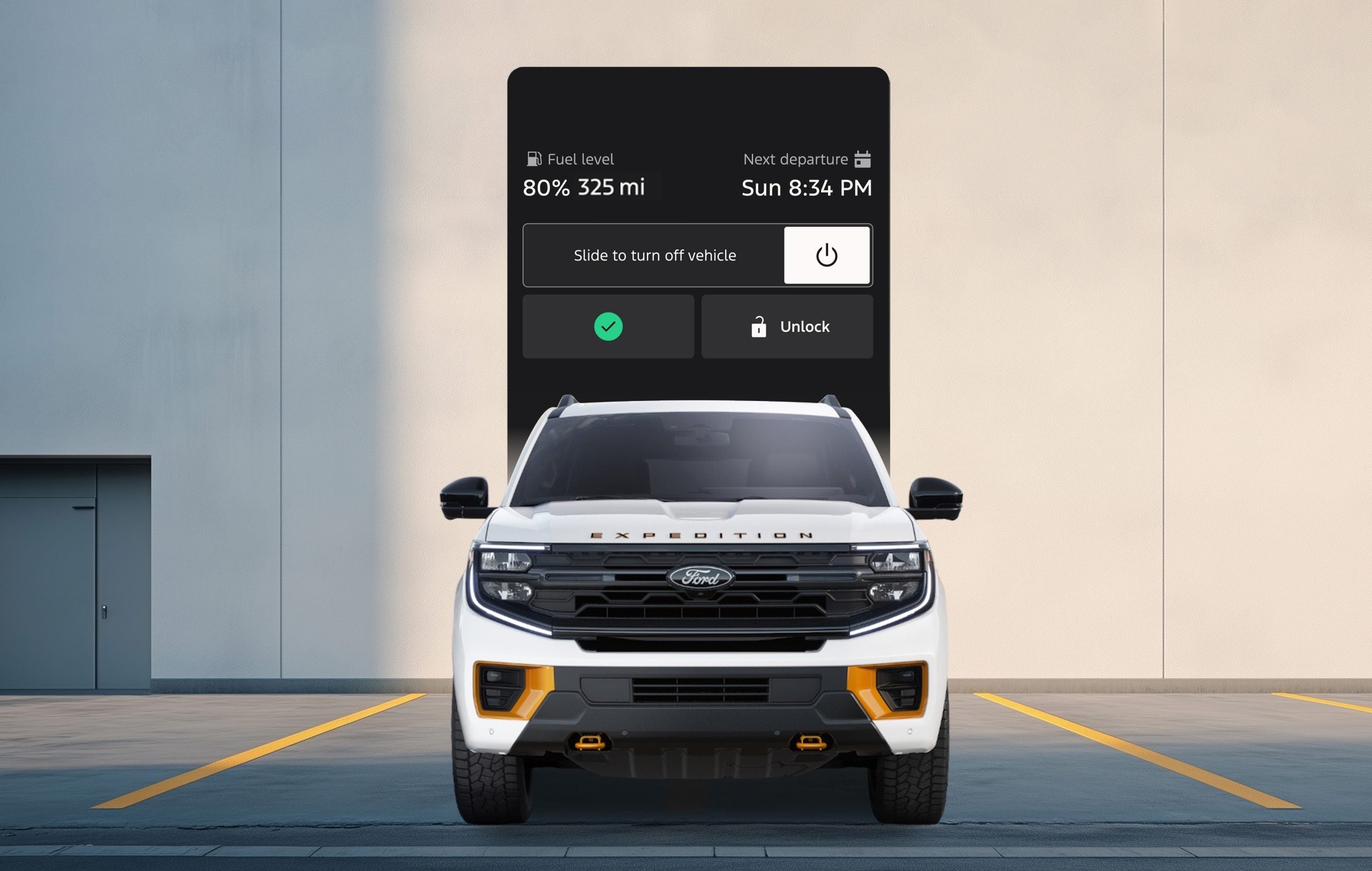
The new Ford App —formerly known as FordPass® —has officially arrived, and it’s changing the way Albuquerque drivers connect with their vehicles. This redesigned app is faster, cleaner, and built around what Ford owners use most: remote start, charge level, and vehicle health. Whether you drive an F-150, Escape, or Mustang Mach-E, the new Ford App gives you instant access to the tools that keep you moving. What’s New in the Ford App 🚗 A Modern, Intuitive Design The new interface makes it easier than ever to find what you need, no digging through menus or extra taps. 🌡️ Smarter Remote Climate Control Start your Ford and set your perfect cabin temperature before you even leave the house. You can also heat or ventilate seats and warm the steering wheel on supported models. 🔋 Upgraded EV Energy Tab For electric and plug-in hybrid drivers, the new Energy tab lets you monitor your battery, adjust your charge target, and check range at a glance—perfect for trips around New Mexico or cross-country adventures. 📱 Faster, More Reliable Performance Thanks to a full back-end rebuild, the app now loads quicker and delivers updates in real time, helping you stay connected to your Ford anywhere you go. Bonus Features You’ll Love Lock Screen Controls – Start, lock, or unlock your vehicle without even opening the app. Smartwatch Integration – Manage your Ford from your Apple Watch. Family Access – Share vehicle access securely with trusted friends or family. Dark Mode – A sleek new look for night driving. Alerts vary by model. Built Around You At Power Ford, we know how much drivers rely on their tech. The new Ford App isn’t just an upgrade—it’s a smarter, more connected ownership experience designed around your feedback. 📲 Download or update the Ford App today to experience the latest features for yourself. Get the Ford App → Frequently Asked Questions Q. What is the Ford app used for? A. The app allows customers and their authorized friends and family to schedule service appointments; locate the vehicle with GPS for when you can’t remember where you parked; use remote features such as remote start to warm up or cool down the cabin, lock/unlock; keep track of fuel/charge levels, tire pressure, oil life and washer fluid; and use your Phone as A Key with equipped vehicles. Q. Is the Ford app free? A. Yes. There is no cost to use the features within the app. You are also able to activate paid Connected Services trials and plans on equipped vehicles, such as BlueCruise hands-free highway driving, the Ford Connectivity Package, and the Ford Security Package, right from the app. Q. Did you remove any app features with this update? A. No. The latest update will not remove any current features within the app and is focused on improving the experience. Q. Do you need to download a new app or log in again to receive the update? A. For those that have already downloaded the app, just update when prompted. The latest version will be delivered through a standard app update from their device's app store. Q. Did the rewards program change? A. Yes, the name is changing from FordPass Rewards to Ford Rewards. Customers can continue to earn points and redeem them for service, parts, accessories and services such as BlueCruise.

Power Ford Tire Rotation Hero

What's the Purpose of a Tire Rotation? Why It Matters for You

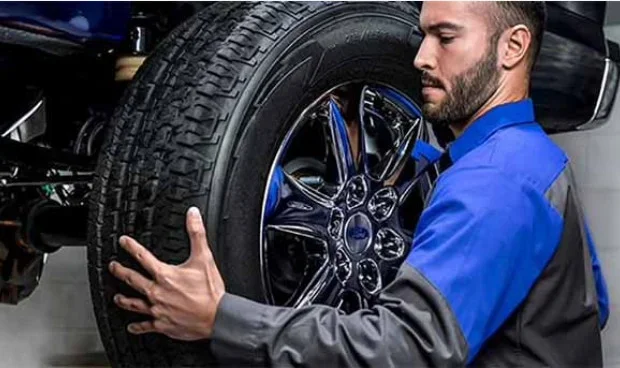
Regular tire rotation is essential vehicle maintenance that extends tire life by promoting even wear, improving handling, enhancing safety, and increasing fuel efficiency. At Power Ford, we recommend rotating your tires every 5,000-8,000 miles to maximize performance and value from your tires. Ever wondered why your tires wear out unevenly? The secret might be in tire rotation. It could help extend your vehicle's tire life and improve performance. At Power Ford, we believe knowing about tire rotation is key for car owners. It's not just a routine. It's a smart way to protect your investment and keep you safe on the road. Is rotating tires necessary? Yes, it is. Every mile you drive puts different wear on your tires. By switching their positions, you spread out this wear. This means your tires last longer and your car performs better. Is tire rotation important? Definitely, say our experts at Power Ford. It can save you money, boost fuel efficiency, and keep your car stable and easy to handle. In this guide, we'll explore everything about tire rotation. We'll cover its purpose and benefits that affect your driving experience. Schedule Your Tire Rotation Understanding the Purpose of Tire Rotation Tire rotation is key to keeping your car running well and safely. It's not just about keeping your car in good shape. It's about making your car perform better and last longer. Knowing how tire rotations work helps you take care of your car and enjoy better driving. When you rotate your tires, you move them to different spots. This spreads out wear evenly across all tires. It's important because different spots on your car wear tires in different ways. What Happens During a Tire Rotation Service At a tire rotation service, experts move your tires to the right spots. They follow specific patterns. Here's what they do: They take each tire off its spot They check for damage or uneven wear They check the tire pressure and adjust it They put the tires back on in a special arrangement Key Benefits for Your Vehicle's Performance Why tire rotation matters is clear when you see its benefits: It makes your car handle better and stay stable It helps you use less fuel It makes your tires last longer It lowers the chance of a tire blowing out How Rotation Patterns Work Each car needs its own rotation pattern. This depends on the tires, how the car moves, and its design. Cars with different drivetrains need different patterns to wear tires evenly. Understanding tire rotation helps keep your car running well and saves you money. Regular rotations are a smart choice for your car's health and your safety on the road. When and Why Regular Tire Rotations Matter Knowing why tire rotation is important is key for your car's health and safety. Experts say to rotate your tires every 5,000 to 8,000 miles. This helps them wear evenly and last longer. Tire rotation does more than just keep your car looking good. Tires in different spots face different stresses. Front tires, for example, wear out faster because of steering and braking. Rotating them spreads out this wear evenly. Prevents premature tire replacement Improves vehicle handling and stability Maintains optimal fuel efficiency Reduces risk of unexpected tire failure Knowing when to rotate your tires can save you money and keep you safe. Look out for these signs that it's time: Wear Indicator Action Needed Uneven tread depth Immediate rotation recommended Vibration while driving Check tire alignment and rotation Tire pressure inconsistencies Schedule professional inspection Need help with tire rotation? Visit Power Ford in Albuquerque at 1101 Montano Rd. N.E. or call 505-933-7890. Our experts will keep your car running smoothly and safely with regular tire care. Conclusion Knowing why tire rotation is important is key to keeping your car running well. It's a simple step that can make your tires last longer and keep you safe on the road. By rotating your tires, you avoid uneven wear and save money. Tire rotation is more than just swapping tire positions. It's about taking care of your investment and avoiding expensive replacements. Since your tires are the only part touching the road, keeping them in good shape is vital for your safety and your car's performance. At Power Ford, we think tire rotation is a must for your car's upkeep. Our skilled technicians can rotate your tires quickly and effectively. This helps your tires last longer and keeps your car running smoothly. Come visit us in Albuquerque for top-notch tire care. Don't wait until you see uneven wear or notice your car isn't performing well. Book your tire rotation today. Our team is here to help you keep your car in top shape with precision and care. Schedule Your Tire Rotation FAQ How often should I rotate my tires? Most cars need their tires rotated every 5,000 to 8,000 miles. But, it depends on your car, how you drive, and the tires you have. Always check your car's manual or talk to a pro at Power Ford for the best advice. Can I rotate my tires myself? You can try at home, but it's safer to let a pro do it. Our experts at Power Ford have the right tools and know-how. They can also check your tires for any issues while they're at it. What are the signs that I need a tire rotation? Look for uneven wear, vibrations, poor fuel use, or uneven tread depth. If you see these signs, it's time for a rotation. Regular checks can catch problems early and prevent bigger issues. Does tire rotation improve fuel efficiency? Yes, it can. Evenly worn tires create less road resistance. This means your engine works less hard, saving gas and money in the long run. What are the different tire rotation patterns? There are front-to-rear, cross-pattern, and side-to-side rotations. The right one depends on your car and tires. Our techs will pick the best pattern for your vehicle. Schedule Your Tire Rotation Today

Ford Mobile Service & Pickup & Delivery | Power Ford Albuquerque

Ford Mobile Service & Pickup & Delivery in Albuquerque, NM

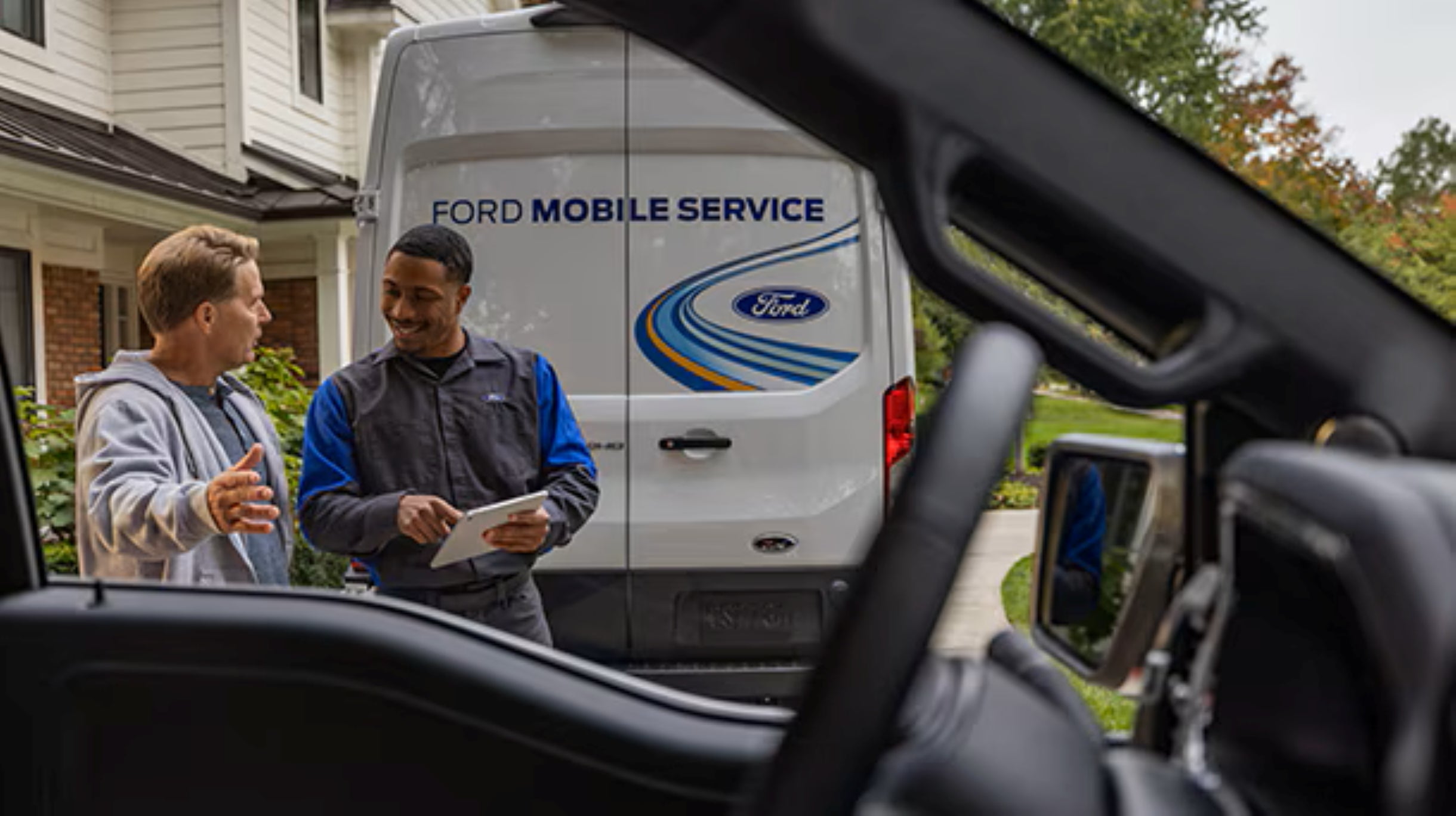
Looking for expert Ford service without the hassle of driving to the dealership? Power Ford makes it simple with Ford Mobile Service and our convenient Pick Up & Delivery Service. Whether you want your vehicle serviced right in your driveway or prefer us to pick it up, handle the work, and return it when finished, we’ve got you covered. What Is Ford Mobile Service? With Ford Mobile Service in Albuquerque, NM, our certified technicians bring the dealership experience straight to you. Many of the same services we perform in our service bays can be completed remotely, including: Oil and filter changes Brake inspections and repairs Battery testing and replacement Tire rotations Wiper blade replacement Lamps and bulbs Fluids and filters Diagnostic scanning & software updates Accessories installation Recalls (where eligible) We’ll come to you. We’ll service it. We’ll be on our way. That’s expert service delivered right to your home or office. 👉 Note: Service availability may vary based on location, distance, and scheduling. Please contact Power Ford for details. What Is Ford Pick Up & Delivery Service? Sometimes you don’t have the time to wait while your vehicle is being serviced. That’s why Power Ford also offers Pick Up & Delivery Service. Here’s how it works: We pick up your vehicle at your home or workplace. Our factory-trained Ford technicians perform the required maintenance or repairs. We return your vehicle to you once it’s ready, freshly serviced and ready to drive. This means less disruption to your schedule and more peace of mind knowing your Ford is in expert hands. Benefits of Pick Up & Delivery: Convenience: Skip the trip to the dealership. Peace of mind: Only Ford-certified technicians and genuine Ford parts. Safety: Vehicles are sanitized before being returned. Flexibility: Choose the pickup time that works best for you. Efficiency: We handle everything so you can focus on your day. Why Choose Power Ford for Mobile Service & Pick Up & Delivery? At Power Ford, we’re committed to making vehicle ownership as easy, convenient, and stress-free as possible. Whether you need a simple oil change or more complex repairs, our team is here to keep you moving. These services are part of Ford You Mode, created to give Ford owners benefits and flexibility tailored to their lifestyle. FAQs About Ford Mobile Service & Pickup & Delivery Q: What services are available with Ford Mobile Service? A: Routine maintenance like oil changes, brake service, tire rotations, battery replacement, wiper blades, software updates, accessories, and even recalls (where eligible). Contact Power Ford for exact details. Q: Are there location requirements to use Ford Mobile Service? A: Yes, availability can vary depending on distance, driveway conditions, or seasonal limitations. Call us to confirm if your location qualifies. Q: Can I use Ford service coupons or rebates with Mobile Service? A: Absolutely! Most Ford service offers are eligible unless specifically excluded. Q: Are your technicians certified? A: Yes, all Power Ford Mobile Service and dealership technicians are Ford factory-trained and certified. Q: How do I schedule Ford Pickup & Delivery? A: Simply call our service department or schedule online. We’ll coordinate pickup at a time that works for you. Schedule Ford Mobile Service or Pickup & Delivery in Albuquerque, NM Skip the wait and let us bring expert Ford service to you. Schedule your Mobile Service or Pick Up & Delivery appointment today at Power Ford. 📅 Schedule Service Now

Contact Us

Fill out this form below and we'll contact you shortly
*Required Fields