Blog / Power Ford Service

Who Sells Wholesale Ford OEM Parts in Bulk to Repair Shops Near Albuquerque, NM

Genuine Ford Parts graphic for the Power Ford parts department in Albuquerque

Repair shops around Albuquerque source wholesale Ford OEM parts the same way dealers do: through a franchised Ford parts department, ordering against Ford's own catalog by VIN rather than a generic cross-reference. Power Ford's parts department in Albuquerque fills that role for shops across the metro, at (505) 225-7468. What follows is the practical side — how VIN-level ordering keeps the wrong part off your bench, what to have ready before you call, and where the OEM-versus-aftermarket decision actually costs you money on a comeback.

What a Shop Actually Needs From an OEM Parts Source

Consumer parts advice is about whether OEM is worth it. For a shop, that argument was settled by the third comeback. What matters day to day is narrower: can you get the exact part for this VIN, can you find out today whether it is on the shelf or three days out, and does the counter answer the phone during your working hours. A generic catalog that lists one water pump for a model year is not good enough when mid-year running changes mean two exist.

VIN-level ordering is the whole difference. A franchised Ford parts department queries the same catalog Ford builds the vehicles from, so the part number comes back tied to the actual build — engine code, axle, production date, the running change that happened in March. That is also why the two brands you will be quoted are Ford Genuine Parts and Motorcraft, Ford's own service-parts line. Ford's official parts catalog organizes the same inventory by category if you want to check a number before you call.

Ordering in Volume Through the Parts Desk

Bulk and repeat ordering for shops is handled by the parts counter directly, not through a web form. Call (505) 225-7468 with your shop name, the makes you see most, and a sense of your typical order mix, and the parts team can talk through pricing on volume, what is stocked locally versus what comes in on a regional order, and how quickly the lines you use most can be turned around. That conversation is worth having once properly rather than ad hoc on every job.

Have the VINs ready. For a multi-line order the fastest path is VIN plus the part numbers you have already identified, because it lets the counter confirm fitment and availability in one pass instead of three calls. Shops running Ford fleet work should also know there is a dedicated Commercial Vehicle Center on the retail side, with fleet management support, commercial financing and priority commercial service scheduling — relevant if your customers are running vehicles you also help them buy and upfit.

Where OEM Pays for Itself on a Comeback
Genuine Ford and Motorcraft OEM parts at the Power Ford parts department in Albuquerque, NM

The cost of an aftermarket part is not its price, it is the probability you touch that job twice. Sensors and modules are the clearest case: a part that reports slightly outside the expected range will set a code, pass a bench test, and come back as a diagnostic argument you cannot bill for. Body and structural parts are the second, because panel gaps and mounting-point tolerances decide whether a calibration completes. There is also a category where the choice is not yours at all — open recall work has to run through a franchised dealer with the specified part, so it is worth running customer VINs through NHTSA's free recall lookup before you quote a job that overlaps one. Our wider guide to genuine Ford parts and certified service in Albuquerque covers the OEM-versus-aftermarket comparison in more depth.

Setting Up Ordering as a Shop

The parts department is at 1101 Montaño Rd NE in Albuquerque, open Monday through Friday from 7:30 a.m. to 5:00 p.m. and Saturday from 8:00 a.m. to 5:00 p.m., closed Sunday — the early weekday open is the useful part, since it lines up with when most shops are writing the day's tickets. Come in or call with your business details and the parts team will walk through how ordering, quoting and pickup work for your volume.

Two things make every order after the first one faster: give the counter a single point of contact at your shop, and keep your own record of the Ford part numbers you reorder most. Shops that do both stop re-deriving the same number every time a common job comes through the door, and the counter can flag it when a superseded number replaces one you use regularly.

Shops and Fleets We Supply Around the Metro

Most of the shops we deal with are inside the Albuquerque metro, but the counter regularly fills orders heading out to Rio Rancho, Corrales, Bernalillo, Los Lunas, Belen and Edgewood. Truck parts dominate the volume, which is no surprise in New Mexico — we wrote up the model-specific side of that in our guide to finding genuine OEM Ford F-150 parts near Rio Rancho, covering the lines that move fastest and why F-150 part numbers in particular reward checking against the VIN rather than the model year.

Common Questions Repair Shops Ask Us

Who sells wholesale Ford OEM parts to repair shops near Albuquerque, NM?

Power Ford's parts department in Albuquerque supplies genuine Ford and Motorcraft parts to independent repair shops, fleets and body shops as a franchised Ford dealer. Orders are placed by VIN against Ford's own catalog, so what arrives matches the build rather than a generic cross-reference. Call the parts desk at (505) 225-7468 to set up ordering.

Can an independent repair shop buy Ford OEM parts in bulk?

Yes. Independent shops order genuine Ford and Motorcraft parts through a franchised Ford dealer's parts department, and Power Ford handles that for shops across the Albuquerque metro. Volume and account arrangements are worked out directly with the parts desk rather than through a web form, so call (505) 225-7468 with your shop details and typical order mix.

What are Power Ford's parts department hours and phone number?

Power Ford's parts department is at 1101 Montaño Rd NE in Albuquerque and is reachable at (505) 225-7468. Hours are Monday through Friday from 7:30 a.m. to 5:00 p.m. and Saturday from 8:00 a.m. to 5:00 p.m., closed Sunday. Having VINs and part numbers ready makes a volume order considerably faster to quote.

Talk to the Parts Counter Directly

The fastest way to find out whether we are the right OEM source for your shop is to call the parts desk at (505) 225-7468 and price a few of the lines you order most against what you pay now. And if your shop is also running work trucks, the same conversation can cover the vehicle side: We'll beat any Ford deal in New Mexico, or you'll get $1,000 cash in your pocket. Either way, you will get a straight answer rather than a quote form.
Posted in:

Related Posts

Power Ford parts and service department serving the Albuquerque metro

Where to Find Genuine OEM Ford F-150 Parts Near Rio Rancho

We hear from a lot of Rio Rancho F-150 owners who've been quoted parts from an auto parts store or an independent shop and want to know if genuine Ford parts are really worth the difference. We're Power Ford, and because our own technicians install both genuine and aftermarket parts every day, we've got a clear view of where that difference actually matters on a truck like the F-150, and where you have more flexibility. Here's what we'd tell you, plus how to get genuine parts near Rio Rancho whether you install them yourself or have us handle it. more Why Genuine OEM Parts Matter on an F-150 Genuine Ford parts, including Motorcraft components, are engineered to the exact fit and performance specifications your F-150 was built around. That matters more than it sounds like on a truck that regularly tows, hauls, or covers a lot of miles, since components like brakes, filters, and suspension parts see more real-world stress than they would on a typical car. Using the wrong-spec part on those systems is where owners tend to run into premature wear or, in some cases, voided warranty coverage. Shop Genuine Ford Parts Our Parts Department and What We Stock Our parts department keeps a deep inventory of F-150-specific components on hand, from filters and belts to brakes, batteries, and fluids, so most jobs don't require a special order or a long wait. If you're looking to personalize your truck rather than just maintain it, we also carry genuine Ford accessories designed to fit without the guesswork that comes with aftermarket options. Common F-150 Parts and Maintenance Needs Following Ford's recommended maintenance schedule is the simplest way to know when genuine parts actually need replacing instead of guessing. That typically includes brake pads, tires, batteries, cabin air filters, and wiper blades, along with routine oil changes. Keeping these on a genuine-parts schedule is also one of the easier ways to protect resale value if you plan to trade the truck in down the road. Certified Service to Install Them Right A genuine part is only as good as the install, which is why our service department uses factory-trained technicians for every job. Our Quick Lane handles faster routine work like fluid top-offs and filter swaps, and if you want to know more about why our shop specifically is worth trusting with the install, our why service here page covers that in more detail. We've also written about how often you should rotate your tires, which is one of the most overlooked maintenance items on a truck that sees regular highway miles. Schedule Service Online Getting Parts and Service Without the Drive from Rio Rancho We know Rio Rancho is a bit of a haul, so we try to make genuine parts and service as convenient as we can. Our pickup and delivery service and mobile service requests can handle a lot of routine parts installs without you ever making the trip in, and our online scheduler makes it easy to book whichever option works best for you. Common Questions About Genuine F-150 Parts Are genuine Ford parts really necessary, or is aftermarket fine? It depends on the part. For safety and drivetrain-related components, we'd recommend genuine parts to protect fit, performance, and warranty coverage. For cosmetic accessories, aftermarket options are often fine. Do you carry parts for older F-150 model years, not just the newest one? Yes. Our parts department regularly special orders components for older F-150 model years when they're not in stock. Can I get parts installed without driving in from Rio Rancho? For many routine jobs, yes. Our pickup and delivery service and mobile service option can save you the drive. Get the Right Parts for Your F-150 Whether you're maintaining your F-150 yourself or want our certified technicians to handle it, we can get you genuine parts built for your exact truck. Reach out or schedule service, and we'll take it from there. Shop Ford Parts Schedule Service

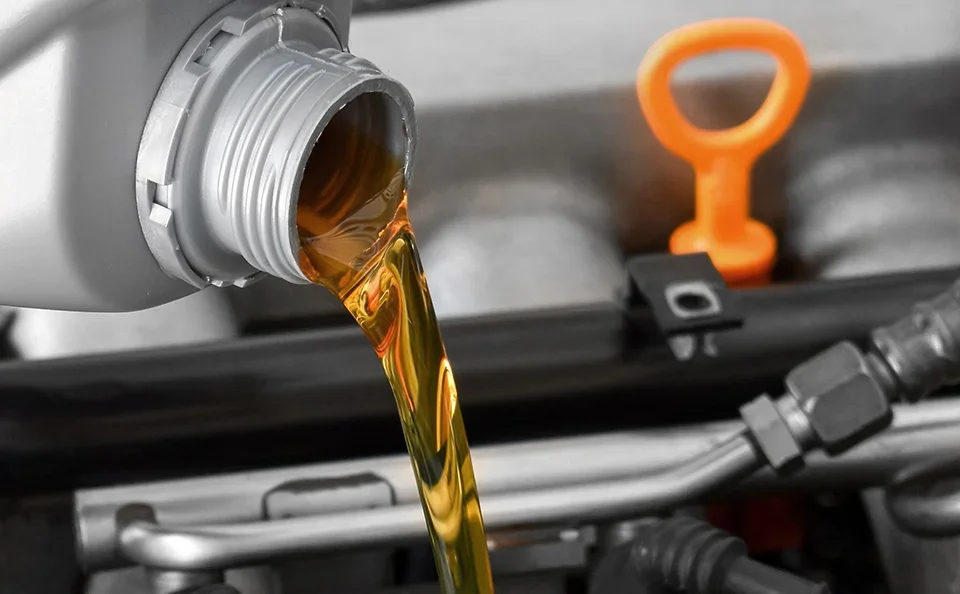
Power Ford Synthetic Oil

How Often to Change Synthetic Oil

Most vehicles using synthetic oil need an oil change every 7,500 to 10,000 miles, or at least once a year. However, severe driving conditions such as frequent short trips, extreme temperatures, or heavy towing may require more frequent changes every 5,000 to 7,500 miles. Always consult your owner's manual and oil monitoring system for the best schedule for your specific vehicle. more Ever thought about how often to change synthetic oil in your car? It's key for your vehicle's health. At Power Ford, we make it easy to figure out oil change times. Synthetic oil is vital for your engine. It moves from the engine sump to valve gear at start-up. It keeps protecting as temperatures go up. Most cars need oil changes every 7,500 to 10,000 miles. Some makers say it's okay to wait up to 16,000 miles. So, when should you change synthetic oil? At least once a year is the rule. Regular oil changes bring many benefits. They make your car run cleaner, save gas, last longer, and perform better. Always check your car's manual for the best schedule for your model. At Power Ford, we're here to help you keep your car in top shape. Our skilled technicians will help you understand synthetic oil changes. This way, your car will stay in great condition for many years. Schedule Your Oil Change Understanding Synthetic Oil and Its Role in Your Engine Synthetic oil is a big step forward in car lubrication. It's not like regular motor oil. It gives your engine top-notch protection. To know when to change synthetic oil, you need to understand its unique qualities. What Makes Synthetic Oil Different from Conventional Oil Synthetic oil is made differently than regular oil. While regular oil comes from crude oil, synthetic oil is made in labs. The main differences are: Molecular uniformity for smoother engine performance Stability in extreme temperatures Stronger against breakdown and contamination These traits mean synthetic oil protects your engine better in all driving conditions. Knowing when to change synthetic oil depends on these special features. The Benefits of Using Synthetic Oil in Your Vehicle Using synthetic oil has many benefits for your car's health: Longer engine life with better lubrication Better fuel efficiency Less engine wear in extreme temperatures Cleaner engine internals Synthetic Oil Characteristic Performance Benefit Higher Temperature Resistance Maintains lubrication during intense heat Better Cold-Start Protection Reduces engine stress during winter Lower Friction Coefficient Improves overall engine efficiency Even though synthetic oil changes cost more at first, the long-term benefits are worth it. Your engine gets top-notch protection. This means fewer repairs and a longer car life. How Often Do You Change Synthetic Oil in a Car Knowing when to change full synthetic oil is key to keeping your car running well. Most cars need synthetic oil changes every 7,500 to 10,000 miles. Some makers say you can go up to 15,000 miles. How often you should change synthetic oil depends on a few things: Vehicle make and model Driving conditions Manufacturer recommendations Vehicle age For regular driving, here's a basic rule for synthetic oil changes: Driving Type Oil Change Interval Normal Driving Conditions 7,500 - 10,000 miles Severe Driving Conditions 5,000 - 7,500 miles Extended Highway Driving Up to 15,000 miles Your car's manual is the best guide for oil change times. Newer cars might have systems that tell you when to change oil. Even if you don't drive much, change synthetic oil yearly to keep it fresh. If you're unsure, talk to a mechanic. They can give advice based on your car and how you drive. Keeping track of your oil changes is important for your car's health and performance. Factors That Affect Your Synthetic Oil Change Schedule Changing synthetic oil isn't the same for everyone. Your driving habits and car's condition are key. They help decide when to change your oil. Many factors affect synthetic oil change frequency. Knowing these can keep your engine running well. Impact of Severe Driving Conditions Severe driving can shorten synthetic oil life. Conditions include: Frequent short trips under 5 miles Extreme temperature variations Dusty or sandy road environments Stop-and-go traffic Heavy load towing In tough driving conditions, you might need to change oil more often. For most, changing synthetic oil every 5,000 to 7,500 miles is best. Manufacturer Recommendations and Oil Monitoring Systems Today's cars have advanced oil monitoring systems. They track your driving. These systems help figure out when to change synthetic oil. Always check your car's manual for the best advice. Most makers give specific oil change times for your car. This keeps your engine safe. If you're unsure about synthetic oil change frequency, our service center can help. We consider your car's state and driving habits for advice. Conclusion Synthetic oil changes are a smart way to keep your car running well for a long time. They help keep your Ford's engine clean and working great. This means your car can go a long way, maybe even up to 200,000 miles. When you change your oil regularly, you're doing a lot for your car. Always check the oil level and add more if needed. This stops your engine from getting damaged. At Power Ford, our team knows how to take care of your car. We use the right synthetic oil and keep track of your car's maintenance. We're here to help your car stay in top shape. Ready for your next oil change? Call us at 505-933-7890 or visit 1101 Montano Rd. N.E., Albuquerque, NM 87107. Our service center is quick and has comfy waiting areas. Let us help your Ford perform at its best. Schedule Your Oil Change FAQ Is synthetic oil really better than conventional oil? Yes, synthetic oil is better. It's made in labs with uniform molecules for better flow and protection. It also lasts longer, saves fuel, and cuts emissions. Though it costs more, it's worth it for your car's health. Do I need to change synthetic oil if I don't drive many miles? Yes, change synthetic oil at least once a year, even if you don't drive much. Oil breaks down over time, even when your car is parked. Always check your owner's manual for the best advice. What are considered severe driving conditions that might require more frequent oil changes? Severe conditions include short trips, dusty areas, towing, extreme temperatures, and city driving. In these cases, you might need to change oil every 5,000 to 7,500 miles instead of the usual. Can I rely on my car's oil monitoring system? Yes, modern Ford vehicles with Intelligent Oil-Life Monitor systems are very reliable. They track engine data and driving conditions to give you the best oil change schedule. Are synthetic oil changes more expensive? Synthetic oil changes cost more at first than conventional oil. But, they offer better protection and can save fuel in the long run. This makes them a good value for your car. Schedule Your Oil Change

Power Ford Jumpstart Hero

How to Jumpstart a Car

How to Jumpstart a Car: Connect jumper cables from a working vehicle to your dead battery, starting with positive terminals, then connect the negative cable to the working battery and to an engine ground point on the dead car. Start the working vehicle, then attempt to start the dead car. Always use proper safety gear and follow the correct sequence to avoid electrical damage. more Ever been stuck with a dead battery, wondering if you can jumpstart a car yourself? It's a nightmare, whether you're in a hurry or far from home. At Power Ford in Albuquerque, we get how stressful a dead battery is. Our guide will show you how to jumpstart a car safely and easily. It's perfect for both experienced drivers and those new to roadside emergencies. Jumpstarting a car might seem scary, but with the right steps, you can do it. We'll make it simple, protecting you and your car's electrical systems. Your safety is our main concern when jumpstarting a car. Our team has put together this guide to help you handle battery issues carefully. Let's turn that frustrating moment into a successful restart! Need Help? Call us at 505-933-7890! What You'll Need to Jumpstart a Car Jumpstarting a car needs careful planning and the right tools. Before starting, make sure you have everything you need. Knowing what you need can make the process easier. Essential Equipment and Safety Gear To jumpstart a car safely, you need a few important items. Here's a list of what you'll need: High-quality jumper cables with clean, undamaged clamps Rubber work gloves to protect your hands Safety glasses to shield your eyes Clean, dry cloth for wiping battery terminals The engine block is key when using jumper cables. It acts as a grounding point for the negative cable. Knowing this helps you connect the cables correctly and safely. Before you start, check your battery for any signs of trouble. Look out for: Visible swelling or bulging of the battery case Cracks in the battery housing Leaking battery fluid Visible corrosion on battery terminals Choosing the Right Vehicle to Help Not all cars can help jumpstart another. You need a donor vehicle with certain features for a safe jumpstart: Fully charged 12-volt battery Compatible voltage with your vehicle Standard gasoline or diesel vehicle (avoid hybrids or electric cars) Make sure the vehicles are close enough for the cables to reach. But they should not touch. Both cars should be in park (or neutral for manual transmissions) with parking brakes on. These steps help you jumpstart your car safely and get back on the road fast. Need Help? Call us at 505-933-7890! Step-by-Step Guide to Jumpstart a Car Jumpstarting a car might seem scary, but it's easier than you think. Just follow some simple steps and you'll be driving again in no time. First, make sure you have your jumper cables ready. Also, park both cars in a safe spot, side by side but not touching. Park both vehicles close together, ensuring they're not touching. Keep both cars in park with parking brakes engaged. Locate the batteries in both vehicles. Identify the positive (+) and negative (-) terminals clearly. When connecting jumper cables, start with the red cable. Connect one end to the working battery's positive terminal, then to the dead car's positive terminal. For the black cable, knowing where to connect is crucial. Where to connect the black cable on the dead car is not the negative terminal, but an engine block ground point. Finding the right spot to connect the jumper cable to the engine block is key. Look for a metal surface on the engine block or chassis that's not painted. This spot is safe and away from the battery. Attach the black cable's other end to an unpainted metal surface on the engine block, away from fuel lines and moving parts. Start the working vehicle and let it run for about a minute. Try starting the car with the dead battery. If successful, let both vehicles idle for 10 minutes. When you're done, remove the cables in the reverse order. After jumpstarting, drive your car for at least 30 minutes. This helps recharge the battery. If your car still won't start, you might need a pro's help. Remember, the right way to connect jumper cables to the engine block is important. It keeps your car safe and prevents damage. Conclusion Learning to jumpstart a car is a key skill for avoiding roadside troubles. Knowing how to do it can quickly get you moving again. But, it's important to remember it's just a temporary fix. Car batteries usually last 5 to 7 years. If you're jumping-starting your car often, it's time for a battery check. Our team at Power Ford can do a detailed battery test to check your car's electrical system. If you're having battery troubles, don't wait to call our expert technicians. We're here to find and fix any electrical issues. Visit Power Ford at 1101 Montano Rd. N.E., Albuquerque, NM 87107, or call 505-933-7890 for a free battery test and advice. While knowing how to jumpstart is useful, getting professional help is best for your car's long-term health. We're committed to keeping you safe on the road. Need Help? Call us at 505-933-7890! FAQ How long should I run my car after a jump start? After a jump start, drive your car for at least 30 minutes. This helps recharge the battery. Avoid short trips or stop-and-go traffic. It won't give your battery enough time to fully charge. Can I use any vehicle to jump-start my car? No, you can't use just any vehicle. You need one with a fully charged battery of the same voltage. Hybrid or electric vehicles are not good choices because their systems are different and could get damaged. Where exactly should I connect the black jumper cable? Connect the black (negative) cable to the negative terminal of the working battery. But, the other end should go to an unpainted metal surface on the engine block or chassis. Avoid the dead battery's negative terminal. Look for a bare metal area away from the battery, fuel lines, and moving parts. Can I jump-start my car in wet conditions? It's possible, but not recommended. Wet conditions can lead to electrical shorts or shock. If you must jump-start in damp weather, make sure all connections are dry and secure. What safety gear should I wear when jump-starting a car? Wear rubber work gloves to protect your hands and safety glasses to protect your eyes from sparks or acid. Remove any jewelry, watches, or loose clothing that could get caught in the engine or cause a short circuit. How long should I wait between connecting cables and starting the car? Wait about three minutes after connecting the cables to let the charge start transferring. Then, start the donor vehicle and let it run for a minute. This ensures a stable power transfer before trying to start your vehicle. Need Help? Call us at 505-933-7890!