Blog / Albuquerque Ford Service

What's the Purpose of a Tire Rotation? Why It Matters for You

Power Ford Tire Rotation Hero

Regular tire rotation is essential vehicle maintenance that extends tire life by promoting even wear, improving handling, enhancing safety, and increasing fuel efficiency. At Power Ford, we recommend rotating your tires every 5,000-8,000 miles to maximize performance and value from your tires.

Ever wondered why your tires wear out unevenly? The secret might be in tire rotation. It could help extend your vehicle's tire life and improve performance.

At Power Ford, we believe knowing about tire rotation is key for car owners. It's not just a routine. It's a smart way to protect your investment and keep you safe on the road.

Is rotating tires necessary? Yes, it is. Every mile you drive puts different wear on your tires. By switching their positions, you spread out this wear. This means your tires last longer and your car performs better.

Is tire rotation important? Definitely, say our experts at Power Ford. It can save you money, boost fuel efficiency, and keep your car stable and easy to handle.

In this guide, we'll explore everything about tire rotation. We'll cover its purpose and benefits that affect your driving experience.

Understanding the Purpose of Tire Rotation

Tire rotation is key to keeping your car running well and safely. It's not just about keeping your car in good shape. It's about making your car perform better and last longer. Knowing how tire rotations work helps you take care of your car and enjoy better driving.

When you rotate your tires, you move them to different spots. This spreads out wear evenly across all tires. It's important because different spots on your car wear tires in different ways.

What Happens During a Tire Rotation Service

At a tire rotation service, experts move your tires to the right spots. They follow specific patterns. Here's what they do:

  • They take each tire off its spot
  • They check for damage or uneven wear
  • They check the tire pressure and adjust it
  • They put the tires back on in a special arrangement

Key Benefits for Your Vehicle's Performance

Why tire rotation matters is clear when you see its benefits:

  • It makes your car handle better and stay stable
  • It helps you use less fuel
  • It makes your tires last longer
  • It lowers the chance of a tire blowing out

How Rotation Patterns Work

Each car needs its own rotation pattern. This depends on the tires, how the car moves, and its design. Cars with different drivetrains need different patterns to wear tires evenly.

Understanding tire rotation helps keep your car running well and saves you money. Regular rotations are a smart choice for your car's health and your safety on the road.
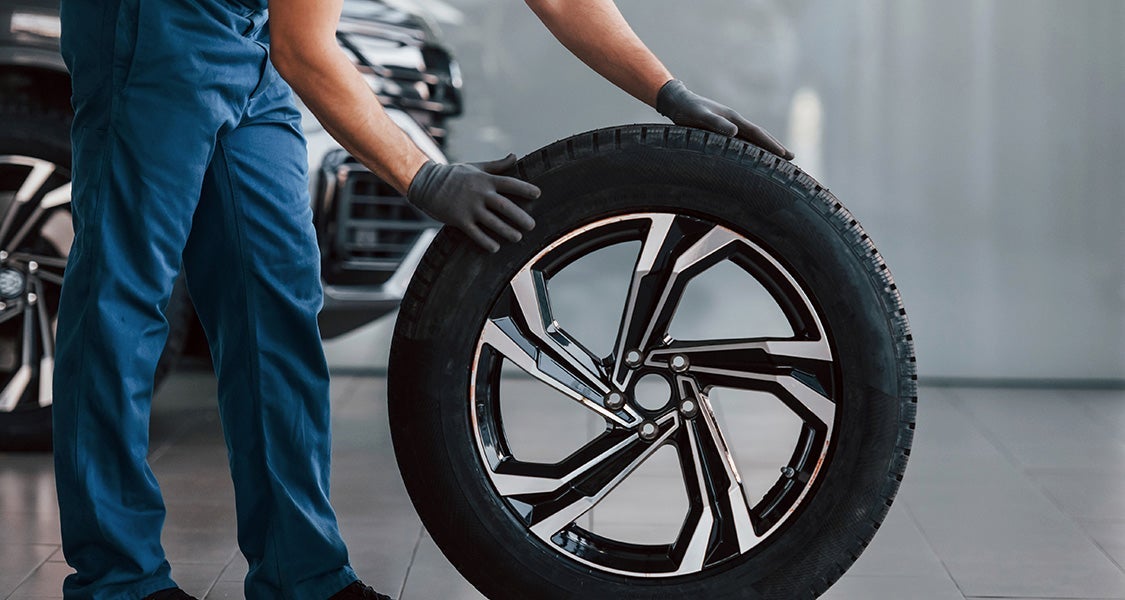
Tire Rotation Service

When and Why Regular Tire Rotations Matter

Knowing why tire rotation is important is key for your car's health and safety. Experts say to rotate your tires every 5,000 to 8,000 miles. This helps them wear evenly and last longer.

Tire rotation does more than just keep your car looking good. Tires in different spots face different stresses. Front tires, for example, wear out faster because of steering and braking. Rotating them spreads out this wear evenly.

  • Prevents premature tire replacement
  • Improves vehicle handling and stability
  • Maintains optimal fuel efficiency
  • Reduces risk of unexpected tire failure

Knowing when to rotate your tires can save you money and keep you safe. Look out for these signs that it's time:

Wear IndicatorAction Needed
Uneven tread depthImmediate rotation recommended
Vibration while drivingCheck tire alignment and rotation
Tire pressure inconsistenciesSchedule professional inspection

Need help with tire rotation? Visit Power Ford in Albuquerque at 1101 Montano Rd. N.E. or call 505-933-7890. Our experts will keep your car running smoothly and safely with regular tire care.
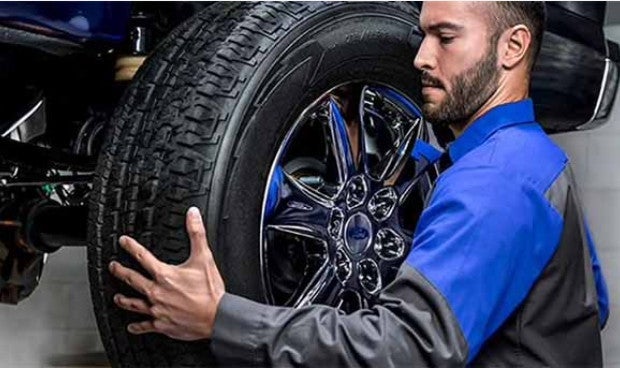
Power Ford Service Center

Conclusion

Knowing why tire rotation is important is key to keeping your car running well. It's a simple step that can make your tires last longer and keep you safe on the road. By rotating your tires, you avoid uneven wear and save money.

Tire rotation is more than just swapping tire positions. It's about taking care of your investment and avoiding expensive replacements. Since your tires are the only part touching the road, keeping them in good shape is vital for your safety and your car's performance.

At Power Ford, we think tire rotation is a must for your car's upkeep. Our skilled technicians can rotate your tires quickly and effectively. This helps your tires last longer and keeps your car running smoothly. Come visit us in Albuquerque for top-notch tire care.

Don't wait until you see uneven wear or notice your car isn't performing well. Book your tire rotation today. Our team is here to help you keep your car in top shape with precision and care.

FAQ

How often should I rotate my tires?

Most cars need their tires rotated every 5,000 to 8,000 miles. But, it depends on your car, how you drive, and the tires you have. Always check your car's manual or talk to a pro at Power Ford for the best advice.

Can I rotate my tires myself?

You can try at home, but it's safer to let a pro do it. Our experts at Power Ford have the right tools and know-how. They can also check your tires for any issues while they're at it.

What are the signs that I need a tire rotation?

Look for uneven wear, vibrations, poor fuel use, or uneven tread depth. If you see these signs, it's time for a rotation. Regular checks can catch problems early and prevent bigger issues.

Does tire rotation improve fuel efficiency?

Yes, it can. Evenly worn tires create less road resistance. This means your engine works less hard, saving gas and money in the long run.

What are the different tire rotation patterns?

There are front-to-rear, cross-pattern, and side-to-side rotations. The right one depends on your car and tires. Our techs will pick the best pattern for your vehicle.
Posted in:

Related Posts

Power Ford Car Battery Works

How a Car Battery Works

How a Car Battery Works: A car battery powers your vehicle's entire electrical system through a series of chemical reactions between lead plates and a sulfuric acid electrolyte solution, producing the approximately 12.6 volts needed to start your engine and keep everything running. Understanding the key components — from battery cells and terminals to the role of the alternator — helps you recognize warning signs before a breakdown occurs. At Power Ford in Albuquerque, we're here to help you keep your battery and electrical system in top condition. more Ever wondered what powers your car? It's your car battery — the heart of your vehicle's electrical system. At Power Ford, we know how crucial it is to understand your battery's parts. We'll dive into the internal battery elements that make it all work. Whether you love cars or just want to know more, you'll learn how these parts create electricity for your vehicle. Let's explore the world of car batteries together. Need help or have questions? Contact us at Power Ford. We're ready to help keep your car running great! Explore Our Battery Service Options Understanding the Basic Operation of a Car Battery When you turn the key in your car, the lead-acid battery springs into action. It's important to know how this battery works. Let's look at the lead-acid battery structure, the battery cell construction, and how electrical current is generated. Lead-Acid Battery Structure and Chemical Reaction A typical lead-acid battery has six cells. Each cell has positive and negative electrodes in an electrolyte solution made of sulfuric acid and water. The chemical reaction between the lead plates and the acid is key — this reaction creates the electrical energy that powers your vehicle. Battery Cell Construction and Voltage Production The battery cells are built to work together in series. Each cell produces about 2.1 volts, adding up to a total of approximately 12.6 volts. The positive and negative electrodes are crucial, as they allow the chemical reaction to happen and generate the needed voltage. How Electrical Current Is Generated and Flows Electrical current flows through the battery's internal elements, allowing your car's electrical system to function. When the battery discharges, electrons move from the negative electrode to the positive electrode. This movement of electrons creates the current that starts your engine and powers other electrical components. Six cells create a total of 12.6 volts. Positive and negative electrodes are essential for chemical reactions. Electrolyte solution is a mix of sulfuric acid and water. Electrical current flows through internal battery elements. Understanding these parts and processes helps you see how your car battery works. This knowledge can help you keep your vehicle running well and address any battery problems early. Exploring Key Car Battery Components Knowing what makes up your car battery is key to understanding how it works. Each part is vital for your car to run smoothly. Let's look at the internal parts, materials, electrolyte, terminals, and case design. Internal Battery Elements and Their Functions The inside of your car battery contains: Positive plates made of lead oxide Negative plates made of pure lead Electrolyte solution that facilitates chemical reactions These parts work together to make electricity. The plates react with the electrolyte to allow current to flow. Battery Plate Materials and Electrolyte Solution Composition The materials of the battery plates are crucial. Lead and lead oxide are commonly used. The electrolyte is a mix of sulfuric acid and water, which is essential for the chemical reactions that generate electricity. Battery Terminal Types and Battery Case Design Battery terminals are important for connecting your battery to your car's electrical system. There are two main types: Positive terminals Negative terminals Each type ensures the proper flow of electricity. The design of the battery case is also critical — it keeps the interior safe from damage and leaks, helping your battery last longer. Component Material Function Positive Plate Lead Oxide Generates electrical energy Negative Plate Pure Lead Completes the chemical reaction Electrolyte Solution Sulfuric Acid and Water Facilitates chemical reactions Battery Terminal Lead or Copper Connects to vehicle electrical system Battery Case Plastic or Composite Material Protects internal components The Role of the Alternator and Battery Maintenance Your car's alternator is key to keeping your battery charged. It generates electricity as you drive, keeping your battery ready to start your engine. Keeping your battery in good shape is important. Test your battery's voltage regularly, and look for signs such as corrosion or a slow engine start. These could mean it's time for a new battery. It's also a good idea to know how to jumpstart a car in case you ever find yourself stranded with a dead battery. You can also review our general maintenance advice and stay current with your vehicle's recommended maintenance schedule to help extend battery life. At Power Ford, we know how vital a good battery is. Need help with battery testing, battery service, or recharging? Give us a call at (505) 933-7883 or visit us at 1101 Montano Rd. N.E., Albuquerque, NM 87107. Our service department is here to keep your car's electrical system running strong. Get Expert Battery Advice at Power Ford FAQ What are the main components of a car battery? A car battery has several key parts, including the battery case, positive and negative electrodes, and battery plates made of lead and lead oxide. It also contains an electrolyte solution of sulfuric acid and water, as well as battery terminals that connect to your car's electrical system. How does a lead-acid battery generate electricity? A lead-acid battery generates electricity through a chemical reaction between the lead plates and the sulfuric acid electrolyte. During discharge, lead dioxide on the positive plate reacts with the sulfuric acid, producing lead sulfate and releasing electrical energy that powers your vehicle. What is the role of the electrolyte solution in a car battery? The electrolyte solution — a mixture of sulfuric acid and water — is crucial to a car battery's function. It facilitates the chemical reactions within the battery and allows ions to move between the positive and negative electrodes, which is essential for generating electrical current. How do battery terminals differ? Battery terminals come in different designs, including top-post and side-terminal styles. The type you choose can affect installation ease, connection reliability, and compatibility with your vehicle's electrical system. Our service team can help you identify the correct terminal type for your car. What should I look for when maintaining my car battery? To keep your car battery in good condition, check for corrosion on the terminals, ensure the battery is securely mounted, and test the battery's voltage regularly. If you notice swelling, leaks, or a drop in performance, it may be time for a replacement. Give us a call at (505) 933-7883 and our service team will be happy to help you assess your battery's health. Schedule Your Battery Service Today

Power Ford Synthetic Oil

How Often to Change Synthetic Oil

Most vehicles using synthetic oil need an oil change every 7,500 to 10,000 miles, or at least once a year. However, severe driving conditions such as frequent short trips, extreme temperatures, or heavy towing may require more frequent changes every 5,000 to 7,500 miles. Always consult your owner's manual and oil monitoring system for the best schedule for your specific vehicle. more Ever thought about how often to change synthetic oil in your car? It's key for your vehicle's health. At Power Ford, we make it easy to figure out oil change times. Synthetic oil is vital for your engine. It moves from the engine sump to valve gear at start-up. It keeps protecting as temperatures go up. Most cars need oil changes every 7,500 to 10,000 miles. Some makers say it's okay to wait up to 16,000 miles. So, when should you change synthetic oil? At least once a year is the rule. Regular oil changes bring many benefits. They make your car run cleaner, save gas, last longer, and perform better. Always check your car's manual for the best schedule for your model. At Power Ford, we're here to help you keep your car in top shape. Our skilled technicians will help you understand synthetic oil changes. This way, your car will stay in great condition for many years. Schedule Your Oil Change Understanding Synthetic Oil and Its Role in Your Engine Synthetic oil is a big step forward in car lubrication. It's not like regular motor oil. It gives your engine top-notch protection. To know when to change synthetic oil, you need to understand its unique qualities. What Makes Synthetic Oil Different from Conventional Oil Synthetic oil is made differently than regular oil. While regular oil comes from crude oil, synthetic oil is made in labs. The main differences are: Molecular uniformity for smoother engine performance Stability in extreme temperatures Stronger against breakdown and contamination These traits mean synthetic oil protects your engine better in all driving conditions. Knowing when to change synthetic oil depends on these special features. The Benefits of Using Synthetic Oil in Your Vehicle Using synthetic oil has many benefits for your car's health: Longer engine life with better lubrication Better fuel efficiency Less engine wear in extreme temperatures Cleaner engine internals Synthetic Oil Characteristic Performance Benefit Higher Temperature Resistance Maintains lubrication during intense heat Better Cold-Start Protection Reduces engine stress during winter Lower Friction Coefficient Improves overall engine efficiency Even though synthetic oil changes cost more at first, the long-term benefits are worth it. Your engine gets top-notch protection. This means fewer repairs and a longer car life. How Often Do You Change Synthetic Oil in a Car Knowing when to change full synthetic oil is key to keeping your car running well. Most cars need synthetic oil changes every 7,500 to 10,000 miles. Some makers say you can go up to 15,000 miles. How often you should change synthetic oil depends on a few things: Vehicle make and model Driving conditions Manufacturer recommendations Vehicle age For regular driving, here's a basic rule for synthetic oil changes: Driving Type Oil Change Interval Normal Driving Conditions 7,500 - 10,000 miles Severe Driving Conditions 5,000 - 7,500 miles Extended Highway Driving Up to 15,000 miles Your car's manual is the best guide for oil change times. Newer cars might have systems that tell you when to change oil. Even if you don't drive much, change synthetic oil yearly to keep it fresh. If you're unsure, talk to a mechanic. They can give advice based on your car and how you drive. Keeping track of your oil changes is important for your car's health and performance. Factors That Affect Your Synthetic Oil Change Schedule Changing synthetic oil isn't the same for everyone. Your driving habits and car's condition are key. They help decide when to change your oil. Many factors affect synthetic oil change frequency. Knowing these can keep your engine running well. Impact of Severe Driving Conditions Severe driving can shorten synthetic oil life. Conditions include: Frequent short trips under 5 miles Extreme temperature variations Dusty or sandy road environments Stop-and-go traffic Heavy load towing In tough driving conditions, you might need to change oil more often. For most, changing synthetic oil every 5,000 to 7,500 miles is best. Manufacturer Recommendations and Oil Monitoring Systems Today's cars have advanced oil monitoring systems. They track your driving. These systems help figure out when to change synthetic oil. Always check your car's manual for the best advice. Most makers give specific oil change times for your car. This keeps your engine safe. If you're unsure about synthetic oil change frequency, our service center can help. We consider your car's state and driving habits for advice. Conclusion Synthetic oil changes are a smart way to keep your car running well for a long time. They help keep your Ford's engine clean and working great. This means your car can go a long way, maybe even up to 200,000 miles. When you change your oil regularly, you're doing a lot for your car. Always check the oil level and add more if needed. This stops your engine from getting damaged. At Power Ford, our team knows how to take care of your car. We use the right synthetic oil and keep track of your car's maintenance. We're here to help your car stay in top shape. Ready for your next oil change? Call us at 505-933-7890 or visit 1101 Montano Rd. N.E., Albuquerque, NM 87107. Our service center is quick and has comfy waiting areas. Let us help your Ford perform at its best. Schedule Your Oil Change FAQ Is synthetic oil really better than conventional oil? Yes, synthetic oil is better. It's made in labs with uniform molecules for better flow and protection. It also lasts longer, saves fuel, and cuts emissions. Though it costs more, it's worth it for your car's health. Do I need to change synthetic oil if I don't drive many miles? Yes, change synthetic oil at least once a year, even if you don't drive much. Oil breaks down over time, even when your car is parked. Always check your owner's manual for the best advice. What are considered severe driving conditions that might require more frequent oil changes? Severe conditions include short trips, dusty areas, towing, extreme temperatures, and city driving. In these cases, you might need to change oil every 5,000 to 7,500 miles instead of the usual. Can I rely on my car's oil monitoring system? Yes, modern Ford vehicles with Intelligent Oil-Life Monitor systems are very reliable. They track engine data and driving conditions to give you the best oil change schedule. Are synthetic oil changes more expensive? Synthetic oil changes cost more at first than conventional oil. But, they offer better protection and can save fuel in the long run. This makes them a good value for your car. Schedule Your Oil Change

Power Ford Jumpstart Hero

How to Jumpstart a Car

How to Jumpstart a Car: Connect jumper cables from a working vehicle to your dead battery, starting with positive terminals, then connect the negative cable to the working battery and to an engine ground point on the dead car. Start the working vehicle, then attempt to start the dead car. Always use proper safety gear and follow the correct sequence to avoid electrical damage. more Ever been stuck with a dead battery, wondering if you can jumpstart a car yourself? It's a nightmare, whether you're in a hurry or far from home. At Power Ford in Albuquerque, we get how stressful a dead battery is. Our guide will show you how to jumpstart a car safely and easily. It's perfect for both experienced drivers and those new to roadside emergencies. Jumpstarting a car might seem scary, but with the right steps, you can do it. We'll make it simple, protecting you and your car's electrical systems. Your safety is our main concern when jumpstarting a car. Our team has put together this guide to help you handle battery issues carefully. Let's turn that frustrating moment into a successful restart! Need Help? Call us at 505-933-7890! What You'll Need to Jumpstart a Car Jumpstarting a car needs careful planning and the right tools. Before starting, make sure you have everything you need. Knowing what you need can make the process easier. Essential Equipment and Safety Gear To jumpstart a car safely, you need a few important items. Here's a list of what you'll need: High-quality jumper cables with clean, undamaged clamps Rubber work gloves to protect your hands Safety glasses to shield your eyes Clean, dry cloth for wiping battery terminals The engine block is key when using jumper cables. It acts as a grounding point for the negative cable. Knowing this helps you connect the cables correctly and safely. Before you start, check your battery for any signs of trouble. Look out for: Visible swelling or bulging of the battery case Cracks in the battery housing Leaking battery fluid Visible corrosion on battery terminals Choosing the Right Vehicle to Help Not all cars can help jumpstart another. You need a donor vehicle with certain features for a safe jumpstart: Fully charged 12-volt battery Compatible voltage with your vehicle Standard gasoline or diesel vehicle (avoid hybrids or electric cars) Make sure the vehicles are close enough for the cables to reach. But they should not touch. Both cars should be in park (or neutral for manual transmissions) with parking brakes on. These steps help you jumpstart your car safely and get back on the road fast. Need Help? Call us at 505-933-7890! Step-by-Step Guide to Jumpstart a Car Jumpstarting a car might seem scary, but it's easier than you think. Just follow some simple steps and you'll be driving again in no time. First, make sure you have your jumper cables ready. Also, park both cars in a safe spot, side by side but not touching. Park both vehicles close together, ensuring they're not touching. Keep both cars in park with parking brakes engaged. Locate the batteries in both vehicles. Identify the positive (+) and negative (-) terminals clearly. When connecting jumper cables, start with the red cable. Connect one end to the working battery's positive terminal, then to the dead car's positive terminal. For the black cable, knowing where to connect is crucial. Where to connect the black cable on the dead car is not the negative terminal, but an engine block ground point. Finding the right spot to connect the jumper cable to the engine block is key. Look for a metal surface on the engine block or chassis that's not painted. This spot is safe and away from the battery. Attach the black cable's other end to an unpainted metal surface on the engine block, away from fuel lines and moving parts. Start the working vehicle and let it run for about a minute. Try starting the car with the dead battery. If successful, let both vehicles idle for 10 minutes. When you're done, remove the cables in the reverse order. After jumpstarting, drive your car for at least 30 minutes. This helps recharge the battery. If your car still won't start, you might need a pro's help. Remember, the right way to connect jumper cables to the engine block is important. It keeps your car safe and prevents damage. Conclusion Learning to jumpstart a car is a key skill for avoiding roadside troubles. Knowing how to do it can quickly get you moving again. But, it's important to remember it's just a temporary fix. Car batteries usually last 5 to 7 years. If you're jumping-starting your car often, it's time for a battery check. Our team at Power Ford can do a detailed battery test to check your car's electrical system. If you're having battery troubles, don't wait to call our expert technicians. We're here to find and fix any electrical issues. Visit Power Ford at 1101 Montano Rd. N.E., Albuquerque, NM 87107, or call 505-933-7890 for a free battery test and advice. While knowing how to jumpstart is useful, getting professional help is best for your car's long-term health. We're committed to keeping you safe on the road. Need Help? Call us at 505-933-7890! FAQ How long should I run my car after a jump start? After a jump start, drive your car for at least 30 minutes. This helps recharge the battery. Avoid short trips or stop-and-go traffic. It won't give your battery enough time to fully charge. Can I use any vehicle to jump-start my car? No, you can't use just any vehicle. You need one with a fully charged battery of the same voltage. Hybrid or electric vehicles are not good choices because their systems are different and could get damaged. Where exactly should I connect the black jumper cable? Connect the black (negative) cable to the negative terminal of the working battery. But, the other end should go to an unpainted metal surface on the engine block or chassis. Avoid the dead battery's negative terminal. Look for a bare metal area away from the battery, fuel lines, and moving parts. Can I jump-start my car in wet conditions? It's possible, but not recommended. Wet conditions can lead to electrical shorts or shock. If you must jump-start in damp weather, make sure all connections are dry and secure. What safety gear should I wear when jump-starting a car? Wear rubber work gloves to protect your hands and safety glasses to protect your eyes from sparks or acid. Remove any jewelry, watches, or loose clothing that could get caught in the engine or cause a short circuit. How long should I wait between connecting cables and starting the car? Wait about three minutes after connecting the cables to let the charge start transferring. Then, start the donor vehicle and let it run for a minute. This ensures a stable power transfer before trying to start your vehicle. Need Help? Call us at 505-933-7890!