Blog / EV

Blog

All EV Albuquerque Ford Dealer Albuquerque Area Ford Albuquerque Ford Service Power Ford Service Albuquerque Used Cars Bronco Safety F150 Awards Performance Explorer Rio Rancho Finance Bronco Sport Comfort Ford Blue Advantage Certified Maverick Mustang Ranger Expedition Fleet Ford Trucks & SUVs Interior Super Duty Tires
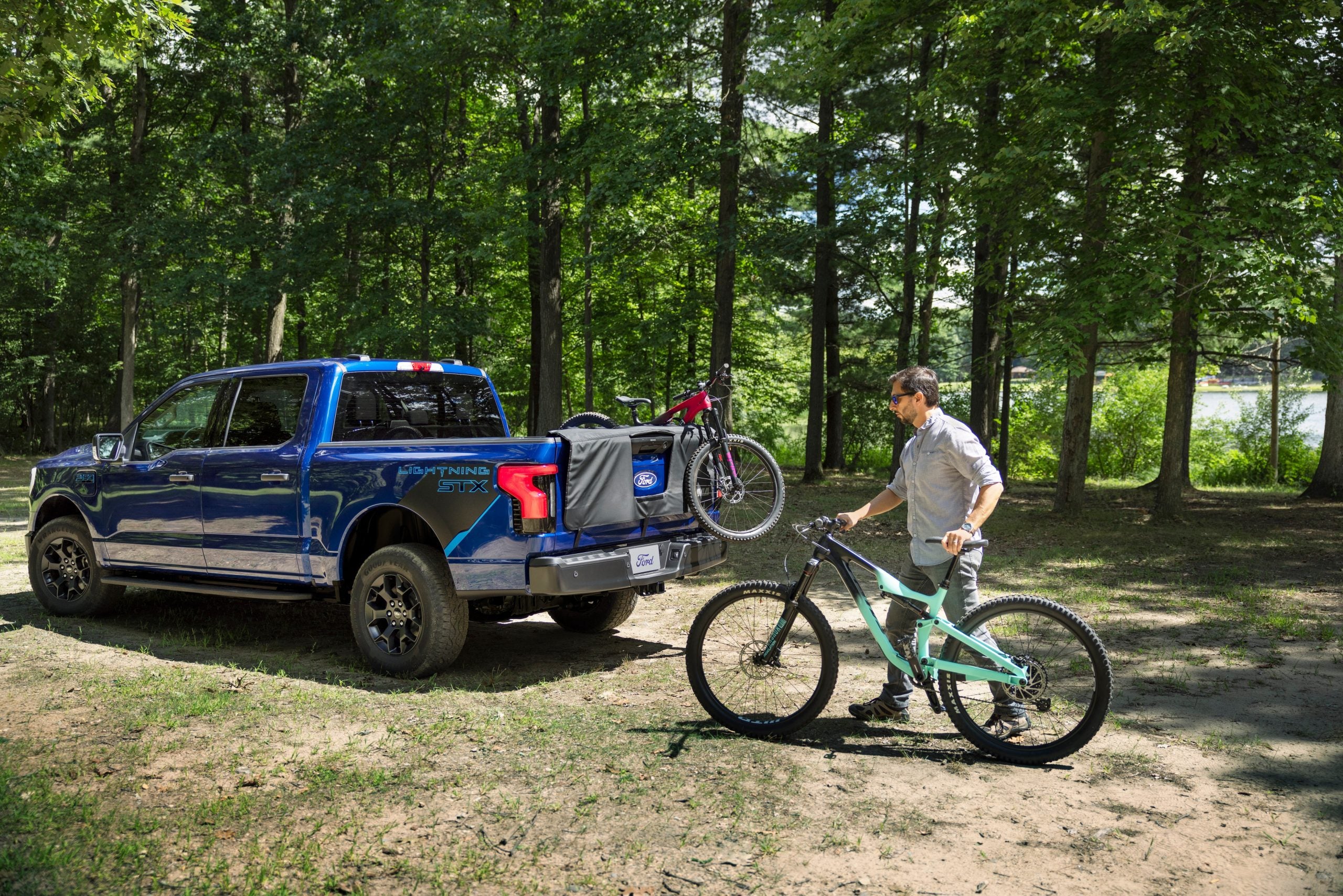
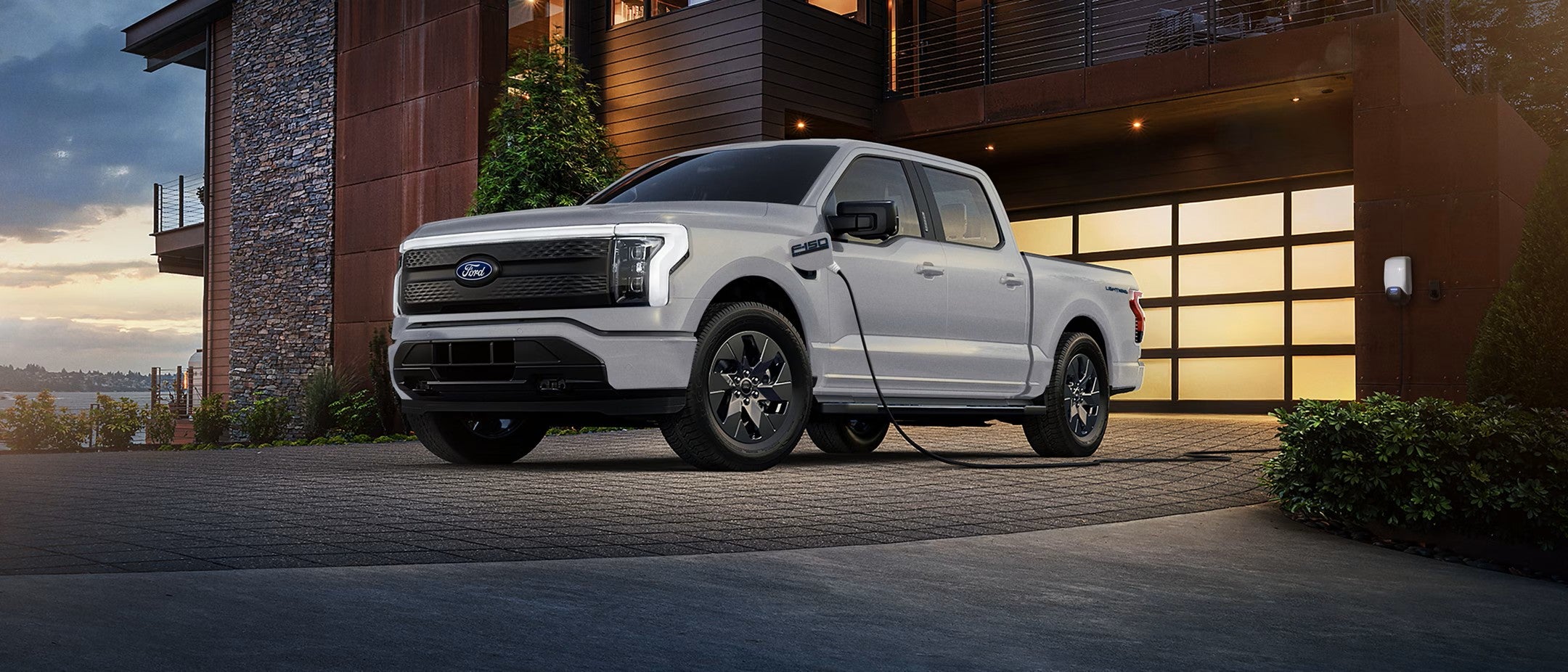
2026 F-150 Lightning STX_13

2026 Ford F-150 Lightning STX: Rugged Power Meets Extended Range

The all-new 2026 Ford F-150 Lightning STX brings the rugged look and extended range drivers have been asking for, combining off-road style with electric power and everyday practicality. With an estimated 290 miles of range, 536 horsepower, and 775 lb.-ft. of torque, the Lightning STX is built to be both tough and electrifying. more A Customer-Driven Electric Truck Since its debut in 2022, the Ford F-150 Lightning has outsold every other electric truck in America. Ford listened closely to what owners loved and what they wanted more of. The answer? The 2026 F-150 Lightning STX, a new trim that replaces the outgoing XLT and adds the rugged capability customers were building themselves through aftermarket upgrades. The result is an F-150 Lightning designed for drivers who need toughness, range, and smart features straight from the factory floor. 2026 F-150 Lightning STX Performance Specs Dual-motor setup with extended range battery EPA-estimated 290 miles of range 536 horsepower / 775 lb.-ft. torque Standard electronic-locking rear differential All-terrain tires & off-road running boards (borrowed from the F-150 Tremor) Whether you’re tackling New Mexico trails or cruising down I-25, the Lightning STX gives you confidence, power, and the endurance to go the distance. Rugged Style, Inside and Out The 2026 Lightning STX isn’t just powerful, it’s bold. Key design updates include: New STX-specific grille with Grabber Blue accents Unique bedside and hood graphics Fresh wheel designs made for all-terrain performance Optional colors like Argon Blue, Marsh Gray, and Ruby Red Metallic Inside, drivers get cloth “STX” embroidered seats with Grabber Blue stitching, a heated steering wheel, and standard heated front seats. For those who need easy cleanup after muddy adventures, a black vinyl floor option is available. 2026 F-150 Lightning STX Pricing and Availability The 2026 Ford F-150 Lightning STX will arrive at dealerships, including here at Power Ford in Albuquerque, in early 2026. Starting MSRP is $63,345, the same price as the outgoing 2025 XLT. With its combination of range, capability, and rugged design, Ford expects the STX to be one of the top-selling trims in the Lightning lineup. Why Albuquerque Drivers Will Love It From weekend trips to the Sandia Mountains to hauling gear for your next desert adventure, the Lightning STX is designed for New Mexico drivers who want power, efficiency, and off-road capability, all in an electric truck. At Power Ford, we’re excited to help our community explore everything the new Lightning STX has to offer. FAQs About the 2026 F-150 Lightning STX When will the 2026 F-150 Lightning STX be available? Early 2026 at Power Ford and other Ford dealerships nationwide. What is the driving range of the Lightning STX? It targets an EPA-estimated 290 miles on a single charge. How much does the 2026 Lightning STX cost? It starts at $63,345 MSRP—the same as the 2025 XLT. What makes the STX different from the XLT? The STX replaces the XLT and adds rugged styling, off-road features, and an extended-range battery as standard. Does the STX qualify for EV tax credits? Eligibility may depend on federal and state incentives available in 2026. Our finance team at Power Ford can walk you through your options.

Ford Mustang Mach-E, Tesla Model Y, and Hyundai Ioniq 5 electric SUVs compared side by side

Ford Mustang Mach-E vs. Tesla Model Y vs. Hyundai Ioniq 5: Which EV Wins?

If you’re shopping for a midsize electric SUV in 2025, three names rise to the top: the Ford Mustang Mach-E, Tesla Model Y, and Hyundai Ioniq 5. All three deliver strong performance, high-tech cabins, and the zero-emission driving experience today’s buyers demand. But when the dust settles, recent head-to-head tests show one clear winner: the Ford Mustang Mach-E. Here’s how the trio stack up in key categories and why the Mach-E comes out ahead. more Price and Value: Mach-E Makes EVs More Accessible Price matters, especially in a competitive EV market. The 2025 Ford Mustang Mach-E starts at just $37,995, undercutting both the Hyundai Ioniq 5 ($42,600) and Tesla Model Y ($41,630+). Even higher trims tend to favor the Ford, with the Mach-E Rally ($58,490) costing thousands less than the Ioniq 5 N ($66,200) and thousands less than a similarly equipped Model Y. Bottom line: The Mach-E delivers more features and driving fun for less money, something that matters to New Mexico drivers balancing performance with value. Driving and Performance: The Mach-E Feels Like a Mustang On paper, the Tesla Model Y edges the Mach-E in raw acceleration and grip tests, while the Hyundai Ioniq 5 N posts the quickest 0–60 times of the group. But real-world driving is where the Mach-E shines. Mach-E: Lively steering, tight body control, and a suspension that makes it genuinely fun to drive. It carries Mustang DNA into the EV age. Model Y: Quick in a straight line, but steering feedback is lacking, and handling feels clinical rather than engaging. Ioniq 5: Smooth and capable, but more comfort-focused, especially in non-N trims. Bottom line: The Mach-E isn’t just quick, it’s engaging, making everyday drives in Albuquerque or road trips across New Mexico more enjoyable. Range and Charging: Close Competition Range and charging speed are often deal-breakers for EV buyers. Mach-E: Up to 320 miles with the extended-range battery. Charging tops at 150 kW. Model Y: Slightly higher peak charging (250 kW), giving faster pit stops, but road-trip range tested nearly identical at 252 miles. Ioniq 5: Offers up to 318 miles RWD, but AWD trims drop to 290 miles, shorter than comparable Mach-E AWD versions. Bottom line: While the Tesla still charges faster, the Mach-E matches or beats its rivals in total real-world range. And with access to Tesla’s Supercharger network via adapter, charging access is no longer a Tesla-exclusive perk. Comfort and Tech: Everyday Usability Matters Seating & Ride: The Mach-E’s seats are softer and more comfortable, making it a better daily driver. The Tesla feels more spacious inside, but its glass roof can overheat in the New Mexico sun without a proper shade. The Mach-E’s power sunshade is a clear win. Infotainment: The Mach-E includes Apple CarPlay and Android Auto, a feature Tesla refuses to support. Hyundai offers it, too, but with a smaller frunk and less clever storage. Driver Assistance: Ford’s BlueCruise hands-free driving is more consistent and trustworthy than Tesla’s FSD (Supervised). Hyundai offers strong safety features but lacks hands-free lane-keeping at Ford’s level. Bottom line: The Mach-E blends comfort, usable tech, and trustworthy driver assistance better than its rivals. Utility: The Mach-E’s Clever Details The Mach-E offers a 5 cu. ft. frunk with a washable, drainable liner, perfect for tailgating at an Isotopes game or packing extra gear for a Sandia trip. Tesla’s frunk is larger but less practical. Hyundai’s frunk is tiny at just 0.85 cu. ft. in North America. Cargo space overall is competitive among all three, but Ford’s thoughtful touches make everyday life easier. Verdict: The Mach-E Is the Best All-Around EV SUV When comparing the Tesla Model Y, Hyundai Ioniq 5, and Ford Mustang Mach-E, each has strengths. The Model Y offers quick charging, the Ioniq 5 delivers retro styling with modern tech, but the Mach-E balances performance, comfort, range, and value better than either competitor. As MotorTrend concluded, “Ford’s systematic enhancements, coupled with Tesla’s missteps, have made the Mustang Mach-E the better all-around midsize electric SUV.” And as Autoblog noted, the Mach-E edges out the Ioniq 5 on price, range, and practicality. 👉 Ready to experience it yourself? Explore the new Ford Mustang Mach-E at Power Ford and schedule your test drive today. FAQs About the Mustang Mach-E vs. Model Y vs. Ioniq 5 Q: Which EV has the best driving range? A: The Mach-E with its extended-range battery tops out at 320 miles, just edging the Ioniq 5’s 318-mile RWD rating. Q: Which EV charges fastest? A: The Tesla Model Y has the highest charging speed (250 kW), but the Mach-E now has access to Tesla’s Supercharger network. Q: Which EV is the best value? A: The Mach-E starts over $4,000 less than the Ioniq 5 and $3,600 less than the Model Y, making it the most affordable choice. Q: Which EV is the most fun to drive? A: The Mach-E captures the Mustang spirit, offering the most engaging and rewarding handling of the three.

MachE F-150 Lightning at Power Ford Albuquerque New Mexico

$7,500 EV Tax Credit Ending Soon – What It Means for F-150 Lightning and Mustang Mach-E Shoppers

If you’ve been thinking about switching to an electric vehicle like the Ford F-150 Lightning or Mustang Mach-E, there’s an important date you’ll want to circle on your calendar: September 30, 2025. That’s the day the federal $7,500 electric vehicle tax credit is set to expire, along with Power Ford’s Ford Power Promise, which includes a Complimentary Home Charger and Standard Installation. After that date, both programs go away, and the savings they bring will no longer be available. more What’s Changing on September 30 For the last few years, buyers of qualifying new EVs have been able to claim a federal tax credit worth up to $7,500. But a recent change in federal law has moved up the end date, and it’s now just weeks away. Here’s how it works: F-150 Lightning purchases – Most trims qualify for the full $7,500 credit under current rules. Mustang Mach-E leases – While buying a Mach-E doesn’t qualify for the tax credit, leasing one still does through a pass-through incentive from Ford Credit. That’s why current lease payments are so much lower and why they’ll go up once the credit ends. Starting October 1, this credit is gone entirely. There’s no gradual reduction, just a hard cutoff. Why It Matters for F-150 Lightning Drivers If you’ve priced out a Lightning lately, you know $7,500 can make a big difference. It can help make a higher trim level or extra features more affordable, or simply reduce your total cost. There’s also the practical side: as deadlines like this get closer, demand tends to spike. That can lead to fewer options in stock and longer wait times for factory orders. If you’re aiming to have your truck in the driveway before the deadline, ordering now gives you a better cushion for delivery. What’s Changing for Mustang Mach-E Leases For the Mustang Mach-E, the credit works differently. Leasing allows Ford Credit to claim a commercial EV credit and pass the savings on to you, usually about $7,500 off the lease price. That’s why many Mach-E drivers have seen much lower monthly payments compared to buying. Once the credit expires, so does that lease discount. For many shoppers, that could mean paying $200 or more extra per month for the same vehicle. The Ford Power Promise: Home Charging Made Easy Alongside the federal changes, Power Ford’s Ford Power Promise will also wrap up on September 30. This program includes a Complimentary Home Charger and Standard Installation with any new Ford EV purchase. Home charging is one of the biggest lifestyle shifts when you move to an EV. Having it set up from day one — without having to plan for installation costs — can make the transition much smoother. Planning Ahead There’s still time to take advantage of both the federal tax credit and the Ford Power Promise, but the window is closing quickly. If you’re considering an EV in the next year or two, here’s why you might want to act now: Lock in up to $7,500 in federal savings before the program ends Secure lower lease payments on the Mustang Mach-E while incentives are still available Get home charging installed at no extra cost through the Ford Power Promise Avoid last-minute inventory shortages and delivery delays The Takeaway Deadlines like this can sneak up quickly, and it’s worth knowing your options ahead of time. Whether you’ve been thinking about an all-electric pickup or a sporty electric SUV, the next few weeks are a unique moment to combine federal savings with local perks that make ownership easier. If you have questions about eligibility, how the credit works, or what’s in stock, the Power Ford team can walk you through the details and timing so you can make the choice that’s right for you.

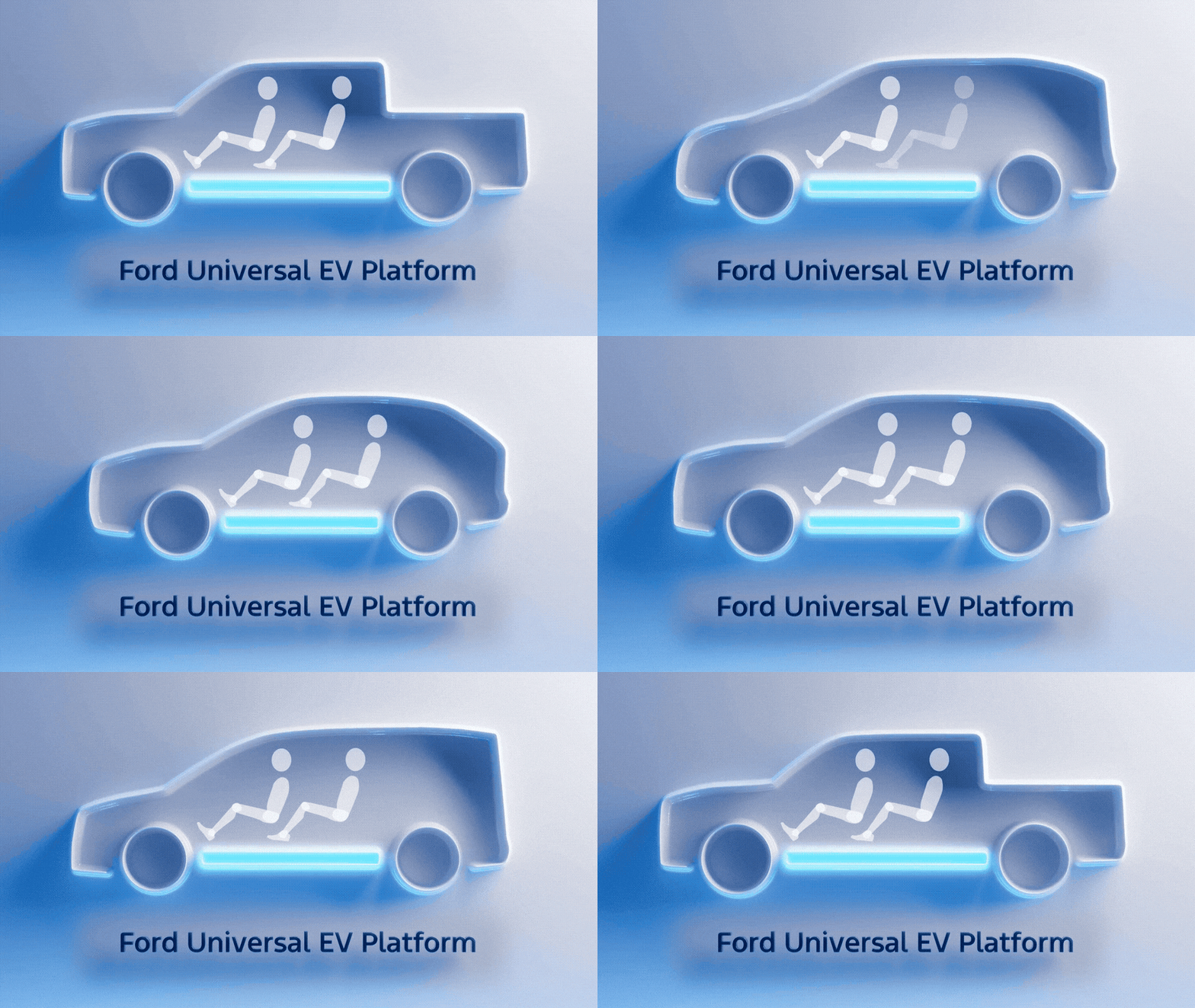
Ford_Universal_EV_Platform_16x9

Ford’s $5B Investment Powers the Future of Affordable Electric Vehicles

Ford is investing $5 billion in U.S. manufacturing to bring an all-new family of affordable electric vehicles to market, starting with a midsize electric truck coming in 2027. This bold move will create nearly 4,000 American jobs, launch a new EV platform, and debut a revolutionary production process at the Louisville Assembly Plant and BlueOval Battery Park Michigan. more A New Era: The Ford Universal EV Platform Ford’s Universal EV Platform is designed to build multiple vehicle types at scale, electric, fun to drive, and digitally advanced. With over-the-air updates, your Ford will keep improving long after you drive it home. The first model? A midsize four-door electric pickup with: Target starting price: around $30,000 Performance: 0–60 mph as quick as a Mustang EcoBoost Space: more passenger room than a Toyota RAV4, plus a frunk and truck bed Launch: built in Louisville, available in 2027 for U.S. and export markets Smarter Engineering for Lower Costs The new platform isn’t just about speed and style. It’s about making EVs more affordable to own: 20% fewer parts and 25% fewer fasteners than typical vehicles 40% fewer workstations on the assembly floor 15% faster build time Lower 5-year cost of ownership than a used Tesla Model Y Ford’s cobalt-free, nickel-free prismatic LFP batteries double as the vehicle floor, lowering the center of gravity for better handling, a quieter ride, and even more interior space. The Breakthrough: The Ford Universal EV Production System More than a century after inventing the moving assembly line, Ford is reinventing it. The Universal EV Production System swaps the traditional single conveyor for an “assembly tree” with three sub-assembly lines: Front vehicle section Rear vehicle section Structural battery pack —assembled with seats, consoles, and carpeting Large aluminum unicastings replace dozens of smaller parts, cutting complexity and boosting precision. This system improves ergonomics for workers, reduces repetitive motions, and speeds up production by up to 40%. Why This Matters for Albuquerque Drivers This innovation means more affordable, better-performing EVs will be available right here in New Mexico built by American workers, with cutting-edge technology and engineering. Whether you’re looking for a work-ready truck with zero emissions or an EV that’s fun to drive and easy to maintain, Ford’s next generation of electric vehicles is built to deliver. FAQ When will Ford’s midsize electric truck be available? Production is scheduled to begin in 2027 at the Louisville Assembly Plant. How much will it cost? Ford targets a starting MSRP of around $30,000. What’s special about prismatic LFP batteries? They’re more affordable, cobalt-free, nickel-free, and serve as part of the vehicle’s structure—improving space, handling, and durability. Will this EV be fun to drive? Absolutely—expect instant torque, a low center of gravity, and a 0–60 time as quick as a Mustang EcoBoost.

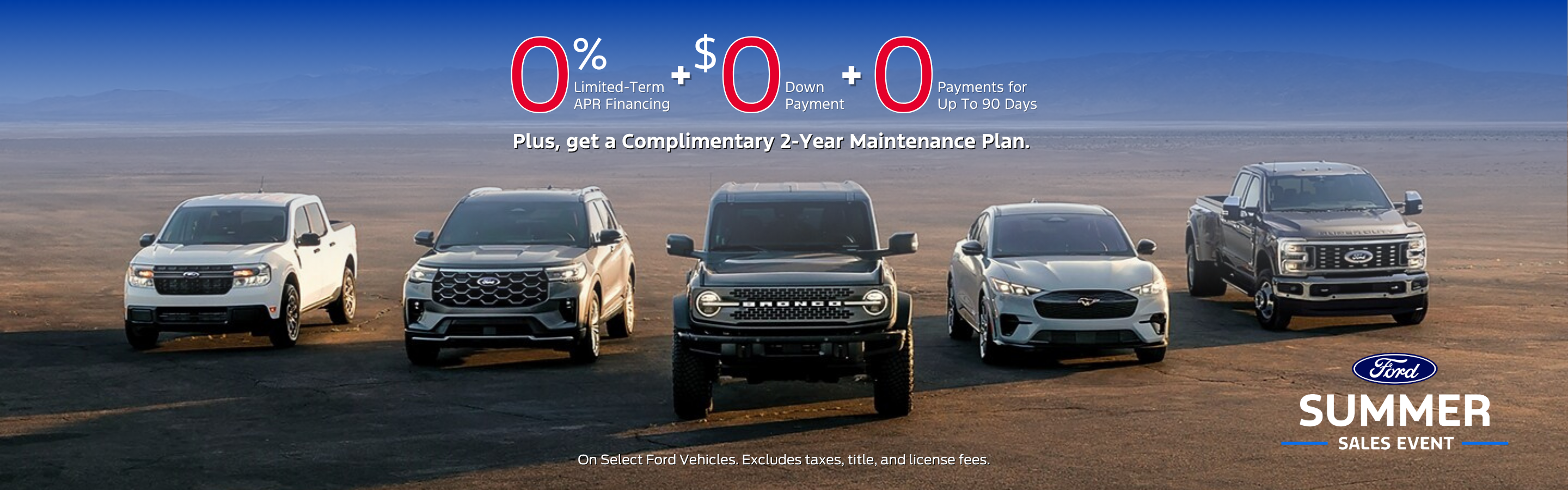
Ford Summer Sales Event at Power Ford

Power Ford Kicks Off Ford Summer Sales Event

Just in time for peak car-buying season, Power Ford has officially launched the Ford Summer Sales Event, offering a slate of aggressive financing options and limited-time perks on some of the most popular vehicles in the Ford lineup. Running now through September 2, the event includes 0% APR financing, $0 down payment, and no payments for up to 90 days on select 2024 and 2025 models, a combination not often seen in today's market. Eligible vehicles include top-selling nameplates such as the F-150, Explorer, Escape, Mustang, Bronco, Mustang Mach-E, and F-150 Lightning. more The offer is designed to attract a broad range of buyers, from families in need of a reliable SUV to professionals seeking a commuter-friendly crossover or outdoor enthusiasts in search of off-road capability. With the addition of a 2-year/25,000-mile complimentary maintenance plan, the program also appeals to budget-conscious shoppers looking for longer-term savings on ownership costs. A Closer Look at the Eligible Models 2024 & 2025 Ford F-150 America’s favorite truck, known for its best-in-class towing, high-strength aluminum body, and powerful EcoBoost® engine options. Perfect for work and weekend adventures. 2025 Ford Explorer A top choice for families in New Mexico, the Explorer offers three-row flexibility, modern tech like SYNC® 4, and available Intelligent 4WD for those mountain getaways. 2024 & 2025 Ford Escape A smart choice for daily driving and weekend road trips. Great gas mileage, available hybrid powertrain, and Ford Co-Pilot360™ safety features make the Escape a go-to for commuters and growing families. 2024 & 2025 Ford Mustang Turn heads with iconic styling, track-ready performance, and advanced driving tech. A true summer thrill on every drive. 2024 & 2025 Ford Mustang Mach-E Go all-electric with this award-winning EV. Enjoy instant torque, near-silent acceleration, and a range of up to 312 miles. Eligible for HOV lane access and available federal tax credits. 2024 Ford Bronco & Bronco Sport Tackle the trails in style. These off-road-ready SUVs bring bold design, G.O.A.T. Modes™, and rugged capability to your summer escapes. 2025 Ford F-150 Lightning The electric truck that works as hard as you do. Tow up to 10,000 lbs, power your tools—or your home—and get instant torque with zero emissions. An Emphasis on Flexibility This year’s summer sales strategy reflects a growing demand for flexible financing structures. By combining 0% APR with deferred payments, Ford aims to remove some of the financial friction that might keep potential buyers on the sidelines. Bonus: Complimentary Maintenance Plan Included Every eligible vehicle also comes with a 2-Year / 25,000-Mile Premium Maintenance Plan at no additional cost. That means oil changes, tire rotations, and multi-point inspections are covered, giving you added peace of mind for the road ahead. Key Dates and Availability The Ford Summer Sales Event is active through Labor Day Weekend (September 2, 2025). Interested buyers can schedule a test drive online. However, Power Ford encourages customers to act early due to limited availability on certain high-demand trims and colors. FAQs About the Ford Summer Sales Event Q: Which Ford vehicles qualify for 0% APR and no payments for 90 days? A: The offer is available on select 2024 and 2025 models, including the F-150, Escape, Explorer, Mustang, Bronco, Bronco Sport, Mustang Mach-E, and F-150 Lightning. Q: Can I combine the 0% APR with Ford lease offers? A: This offer applies to Ford Credit retail financing. Separate lease specials may be available on select models—ask Power Ford for the latest. Q: How do I take advantage of the complimentary maintenance? A: Purchase an eligible Ford vehicle during the sales event, and the 2-year/25,000-mile plan is automatically included. Not all buyers will qualify for Ford Credit® limited-term financing. Place a new retail order or take new retail delivery from an authorized Ford Dealer’s stock by 9/2/25. See dealer for qualifications and complete details. Complimentary 2-year Maintenance Plan available on select Ford vehicles. Coverage begins at the new vehicle limited warranty start date for 2 years or up to 25,000 miles, whichever occurs first. Transferrable for a fee. See dealer for a complete list of coverage details and limitations.

FRDNMODT0019_Ford_Power_Promise_F150_Lightning_Home_04_K_RGB

Exploring the Latest Ford Electric Vehicles: A Sustainable Future

Thinking about going electric in New Mexico? Ford’s Electric Vehicles bring performance, innovation, and sustainability without sacrificing power or practicality. Let’s explore what’s new, what’s next, and how Ford is helping Albuquerque drivers shift to a greener future. more Ford Electric Vehicles: Power Meets Progress The auto industry is charging ahead, literally. As electric vehicles (EVs) go mainstream, Ford is leading the charge with cutting-edge options that blend sustainability with the performance drivers expect. Whether you’re commuting through Albuquerque or planning a road trip across the Southwest, Ford’s EVs offer serious range, capability, and smart tech. Ford’s Commitment to a Cleaner Future Ford has pledged to achieve carbon neutrality globally by 2050 and is investing over $50 billion through 2026 to electrify its lineup. That includes: Building zero-emission plants like BlueOval City in Tennessee Using recycled materials and lowering water use in manufacturing Powering facilities with renewable energy At Power Ford, we’re proud to represent a brand that backs innovation with real action. Meet the Lineup: Ford Electric Vehicles in 2025 ⚡ Mustang Mach-E Ford’s all-electric SUV delivers thrilling acceleration and up to 312 miles of EPA-estimated range on select trims. Inside, you’ll find: A panoramic fixed-glass roof Ford SYNC® 4A with a 15.5" touchscreen Available eAWD for confident handling in New Mexico’s varied terrain ⚡ F-150 Lightning America’s favorite truck, now fully electric. The F-150 Lightning offers: Up to 320 miles of range 10,000+ lbs. of towing capacity Pro Power Onboard to power tools or even your home during outages It’s tough, smart, and built for how Albuquerque works and plays. ⚡ E-Transit Perfect for small businesses or contractors going green. The E-Transit is Ford’s all-electric commercial van with multiple roof heights, cargo configurations, and zero tailpipe emissions. Want to test drive any of these models? Schedule a test drive at Power Ford today. Charging Made Simple in Albuquerque Worried about charging? Ford has you covered: Access to 100,000+ charging stations through the BlueOval™ Charge Network NACS adapter support for Tesla Superchargers (coming in 2025) At-home charging options with the Ford Mobile Charger or Connected Charge Station Real-time charger tracking through the FordPass® app Need help with home installation? Our team can connect you with trusted local electricians. What’s Next for Ford EVs? Ford is just getting started. Coming soon: A new three-row electric SUV for larger families Next-gen battery tech for faster charging and longer range Advanced driver assistance and vehicle-to-grid innovations With every model, Ford is designing not just for the road, but for the future. Why Buy Your EV from Power Ford? As Albuquerque’s trusted Ford dealer, Power Ford is your go-to for electric vehicle expertise, local support, and hassle-free service. We’ll help you: Compare EV tax incentives Choose the right charger Understand total cost of ownership Enjoy the Ford EV lifestyle from Day One Frequently Asked Questions Q: What incentives are available for Ford electric vehicles in New Mexico? A: Many Ford EVs qualify for the federal Clean Vehicle Tax Credit, up to $7,500. New Mexico also offers local utility rebates for charger installation. Ask our team for the latest details. Q: Can I road trip in a Ford EV from Albuquerque? A: Absolutely! With Ford’s growing charging network and Tesla compatibility coming soon, long-distance travel is easier than ever. Q: How long does it take to charge at home? A: Using a Level 2 charger, most Ford EVs can fully charge overnight in 8–10 hours.

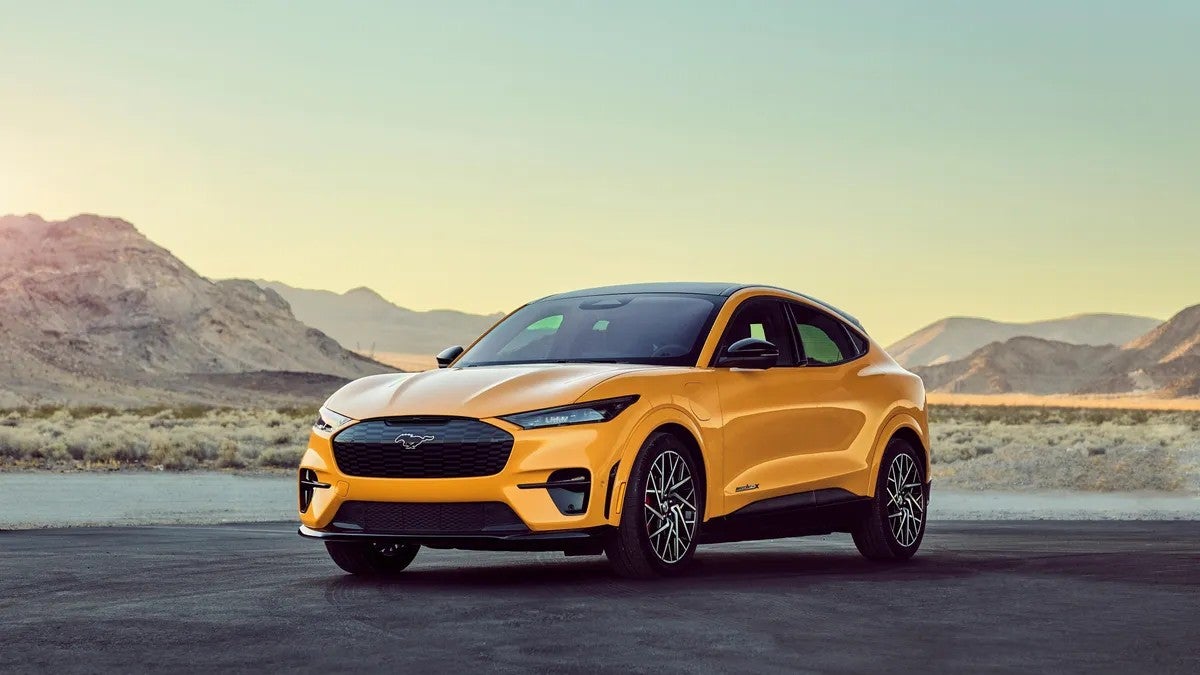
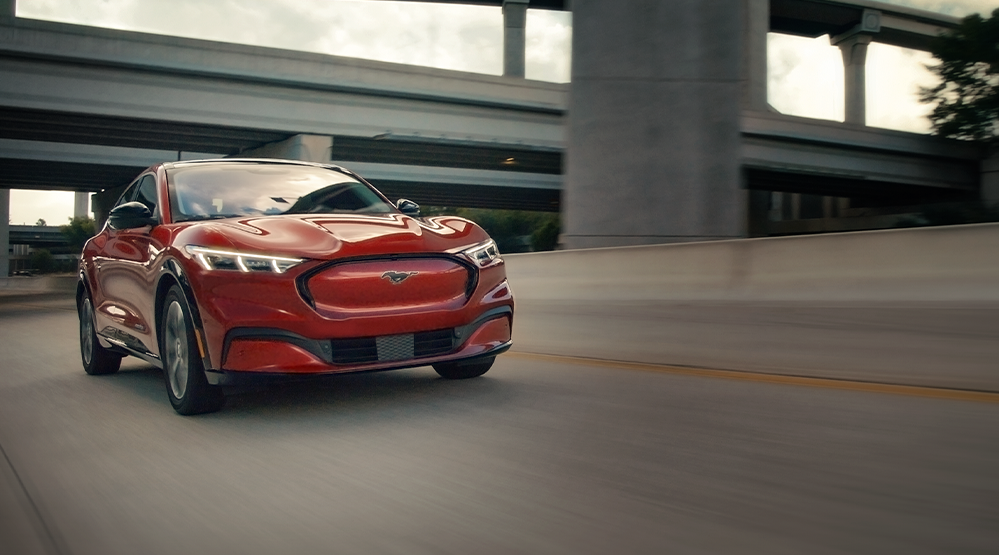
2025 Mustang Mach-E

Consumer Reports Picks 2025 Ford Mustang Mach-E Over Chevy Blazer EV

The 2025 Ford Mustang Mach-E was treated to some notable updates for its latest model year, though no mid-cycle refresh as of yet. Regardless, those updates were good enough to snag the EV crossover a spot on Consumer Reports ‘ Best EVs of 2025 list, and back in March, that same organization named the Mach-E as a better choice than the Toyota bZ4X, due to its superior predicted reliability and owner satisfaction scores, among other factors. Now, CR has also named the Ford Mustang Mach-E as a better option than one of its other chief rivals. more In its latest list of popular vehicles to avoid and what to buy instead, Consumer Reports picked the 2025 Ford Mustang Mach-E over the Chevy Blazer EV, and for a number of reasons. The Blazer EV has an overall score of 39 out of 100 possible points, compared to 68 for the Mach-E, largely due to its below average predicted reliability. CR notes that the Blazer EV has had some “growing pains,” coupled with a stiff ride and sloppy handling, to boot. The 2025 Ford Mustang Mach-E, on the other hand, received above average road testing and predicted owner satisfaction scores, coupled with an average predicted reliability score. The Mach-E returned 299 miles of range in real-world testing with the extended-range battery, and it offers up much faster charging speeds. CR wrote that the Mach-E’s performed admirably in nearly every measurable category. Click here to explore the 2025 Ford Mustang Mach-E at Power Ford in Albuquerque. This post was originally published for the Ford Authority on June 24, 2025.

EV Cell Hero

EV Battery Cell Types, Components & Structure Guide

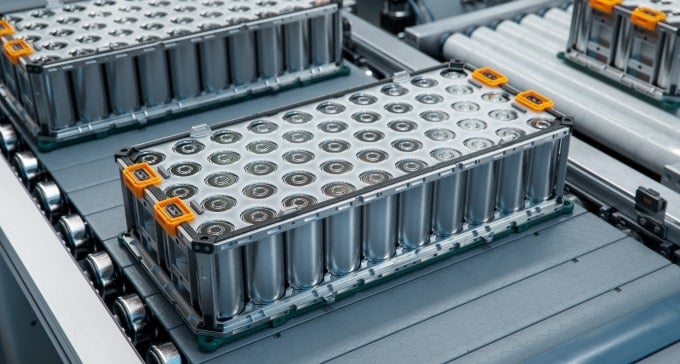
Ever wondered what powers the electric vehicles transforming our roads? It's a sophisticated energy system made up of many parts working in harmony, delivering clean and efficient travel for modern drivers. Welcome to Power Ford 's guide to electric-vehicle power technology. As Ford expands its electric line-up, understanding how these systems work is essential for smart shoppers like you. Every electric vehicle begins with its smallest power unit—the energy cell. Individual cells are grouped into modules, and modules link together to create the battery pack that ultimately drives your vehicle. This guide explains those components, their different formats, and how they function together. Our team at Power Ford in Albuquerque is here to help you explore the fast-growing world of electric mobility. Visit us at 1101 Montano N.E., Albuquerque, NM 87107, or call 505-933-7883 to learn more about Ford's electric vehicles and find the right one for you. more Browse Ford Electric Vehicles Understanding EV Battery Cell Types Virtually all modern battery-electric vehicles (BEVs) rely on lithium-ion chemistry, but the cells themselves come in three main form factors. Each format offers specific benefits that influence driving range, packaging, and charging performance. At Power Ford, we believe knowing the differences helps you choose the EV that best suits your lifestyle. Cylindrical Cells: Compact and Thermally Efficient Cylindrical cells—shaped like oversized AA batteries—are widely used, particularly by manufacturers such as Tesla. Their strong metal cases improve mechanical safety, and their high surface-area-to-volume ratio helps dissipate heat, simplifying thermal management. Because cylindrical cells are relatively easy to mass-produce, they help control manufacturing costs. Their robust design makes them popular for applications where reliability and cost efficiency are top priorities. Prismatic Cells: Packing Density for Large Packs Prismatic cells are rectangular blocks designed to maximise space utilisation in the battery pack. Their shape can be advantageous when engineers need to create a very dense, flat pack—such as under the floor of an SUV. However, their larger dimensions mean prismatic cells require more advanced cooling solutions than cylindrical cells. Appropriate thermal plates and coolant channels are critical to maintaining safe temperatures during high-power driving or rapid DC charging. Prismatic formats often appear in passenger cars, delivery vans, or commercial vehicles when OEMs value packaging efficiency and straightforward pack assembly. Pouch Cells: Lightweight and Flexible Pouch cells use a laminated foil "pouch" instead of a rigid can. This makes them the lightest and most flexible of the three formats, ideal for vehicles with complex interior shapes or aggressive weight targets. Because the pouch lacks a metal shell, cell-level cooling and mechanical protection become even more important. When engineered correctly, pouch cells provide excellent energy density and help extend driving range. How Ford Utilises Different Cell Types Ford currently sources advanced nickel-rich NCM pouch cells from SK On for its volume EVs: Mustang Mach-E – sleeker packaging and ample cabin space thanks to thin pouch cells. F-150 Lightning – high-power pouch cells supply the torque needed for towing and hauling while fitting neatly within the truck's frame. As Ford evolves its battery strategy, engineers will continue matching cell form factors to vehicle requirements, but today both flagship models share the same pouch-cell architecture. Centered Image before Components Section Essential EV Battery Cell Components & Structure Peering inside any lithium-ion cell reveals a finely tuned set of elements that store and deliver energy. At Power Ford you'll find electric vehicles equipped with batteries incorporating the following key parts: Anode & Cathode: The Electrochemical Core The anode (typically graphite) is the negative electrode. During charging, lithium ions embed themselves between graphite layers. When you drive, those ions flow back toward the cathode, creating the electric current that propels your Ford EV. The cathode is the positive electrode and usually contains lithium combined with metals such as nickel, manganese, and cobalt—or iron phosphate in LFP chemistries. Tweaking this composition affects power output, energy density, and battery longevity. Electrolyte: The Ion Highway A liquid electrolyte—generally a lithium-salt solution—fills the gap between anode and cathode, allowing ions to move freely. Researchers are rapidly advancing solid-state electrolytes, promising even higher safety and faster charging in future Ford EVs. Separator: Built-In Safety The separator is a porous film that lets ions pass but keeps the anode and cathode physically apart, preventing short circuits. Modern separators incorporate thermal shutdown layers that melt and close pores if the cell overheats. Current Collectors: Completing the Circuit Thin copper and aluminium foils collect electrons from the anode and cathode and deliver them to your vehicle's high-voltage system. High-conductivity alloys reduce resistance and minimise energy lost as heat. How Battery Technology Impacts EV Performance Centered Image before Performance Section Range & Efficiency The Mustang Mach-E's optimised pouch-cell layout contributes to EPA-rated driving ranges of up to 320 miles on Extended-Range Rear-Wheel-Drive trims, letting you plan long journeys with confidence. Ford's battery-management system (BMS) monitors temperature, power draw, and state of charge in real time to maximise every kilowatt-hour. Charging Speed & Capabilities The F-150 Lightning supports DC fast-charging that can add about 54 miles of range in roughly 10 minutes under ideal conditions, thanks to its high-power pouch-cell chemistry and active liquid cooling. Battery Longevity & Degradation All lithium-ion batteries gradually lose capacity, but Ford warrants its EV packs to retain at least 70% of their original capacity for eight years or 100,000 miles. Intelligent charging algorithms, robust thermal management, and a built-in buffer help slow degradation. Responsive Table Factor Impact on Battery How Ford Addresses It What You Can Do Extreme Temperatures Accelerates ageing Liquid cooling/heating loops Pre-condition battery before charging in very hot or cold weather Frequent DC Fast Charging Extra stress on cells BMS limits charge rate as needed Rely on Level 2 home charging for daily use Deep Discharges Shorter cycle life Software reserve below 0 % Maintain 20–80 % state of charge whenever practical Aggressive Driving Higher internal heat Active power distribution Select Eco or Normal drive modes when range is a priority Ford's Battery-Technology Advantages Ford couples its high-nickel pouch cells with industry-leading liquid-thermal loops and sophisticated BMS software, ensuring reliable performance from Phoenix summers to Minnesota winters. A comprehensive warranty underscores Ford's confidence in its battery engineering. Conclusion Understanding EV battery cell formats, internal components, and their impact on real-world driving helps you make a confident, informed purchase. Whether you favour the thermal efficiency of cylindrical cells, the packaging versatility of prismatic modules, or the lightweight flexibility of pouch cells, ongoing advances in electrode chemistry, electrolytes, and pack design mean EVs get better every year. Ready to experience the latest in electric mobility? Power Ford invites you to test-drive the F-150 Lightning pickup, the Mustang Mach-E SUV, or the E-Transit Cargo Van. Our team can answer all your questions about charging, incentives, and battery technology. Visit us at 1101 Montano N.E., Albuquerque, NM 87107, or call 505-933-7883 to schedule your test drive and join the electric revolution. CTA #2 Find Your Ford EV Today FAQ What battery cell formats does Ford currently use? Ford's Mustang Mach-E and F-150 Lightning both employ high-nickel NCM pouch cells supplied by SK On. Future models may incorporate additional formats as technology evolves. How do cylindrical cells aid thermal management? Cylindrical cells' round shape and high surface-area-to-volume ratio allow heat to dissipate quickly, simplifying cooling compared with large prismatic blocks. Why choose prismatic cells for certain vehicles? Prismatic cells can maximise volumetric energy density in flat battery trays, a benefit for spacious passenger cars or commercial vans when engineers design adequate cooling. What are the main components inside an EV battery cell? Each cell contains an anode, cathode, liquid (or solid) electrolyte, separator, and current collectors—all essential for storing and releasing energy safely and efficiently. How long do Ford EV batteries last? Ford warranties its packs for eight years or 100 000 miles to maintain at least 70 % capacity. Actual lifespan depends on climate, charging habits, and driving style. Final CTA #3 Shop Albuquerque Electric Vehicles
Contact Us

Fill out this form below and we'll contact you shortly
*Required Fields