

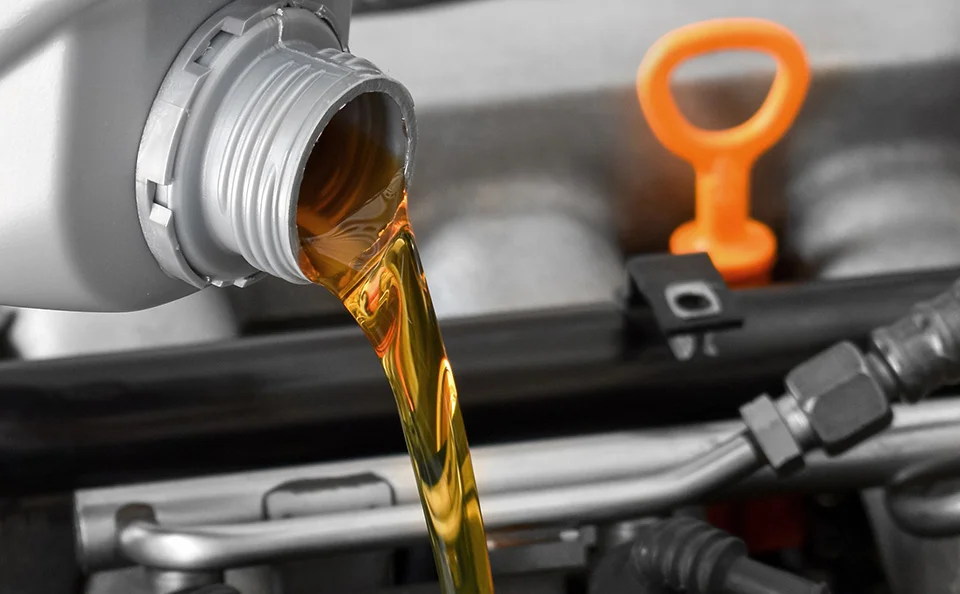
Most vehicles using synthetic oil need an oil change every 7,500 to 10,000 miles, or at least once a year. However, severe driving conditions such as frequent short trips, extreme temperatures, or heavy towing may require more frequent changes every 5,000 to 7,500 miles. Always consult your owner’s manual and oil monitoring system for the best schedule for your specific vehicle.
Ever thought about how often to change synthetic oil in your car? It’s key for your vehicle’s health. At Power Ford, we make it easy to figure out oil change times.
Synthetic oil is vital for your engine. It moves from the engine sump to valve gear at start-up. It keeps protecting as temperatures go up. Most cars need oil changes every 7,500 to 10,000 miles. Some makers say it’s okay to wait up to 16,000 miles.
So, when should you change synthetic oil? At least once a year is the rule. Regular oil changes bring many benefits. They make your car run cleaner, save gas, last longer, and perform better. Always check your car’s manual for the best schedule for your model.
At Power Ford, we’re here to help you keep your car in top shape. Our skilled technicians will help you understand synthetic oil changes. This way, your car will stay in great condition for many years.
Understanding Synthetic Oil and Its Role in Your Engine
Synthetic oil is a big step forward in car lubrication. It’s not like regular motor oil. It gives your engine top-notch protection. To know when to change synthetic oil, you need to understand its unique qualities.
What Makes Synthetic Oil Different from Conventional Oil
Synthetic oil is made differently than regular oil. While regular oil comes from crude oil, synthetic oil is made in labs. The main differences are:
- Molecular uniformity for smoother engine performance
- Stability in extreme temperatures
- Stronger against breakdown and contamination
These traits mean synthetic oil protects your engine better in all driving conditions. Knowing when to change synthetic oil depends on these special features.
The Benefits of Using Synthetic Oil in Your Vehicle
Using synthetic oil has many benefits for your car’s health:
- Longer engine life with better lubrication
- Better fuel efficiency
- Less engine wear in extreme temperatures
- Cleaner engine internals
| Synthetic Oil Characteristic | Performance Benefit |
|---|---|
| Higher Temperature Resistance | Maintains lubrication during intense heat |
| Better Cold-Start Protection | Reduces engine stress during winter |
| Lower Friction Coefficient | Improves overall engine efficiency |
Even though synthetic oil changes cost more at first, the long-term benefits are worth it. Your engine gets top-notch protection. This means fewer repairs and a longer car life.

How Often Do You Change Synthetic Oil in a Car
Knowing when to change full synthetic oil is key to keeping your car running well. Most cars need synthetic oil changes every 7,500 to 10,000 miles. Some makers say you can go up to 15,000 miles.
How often you should change synthetic oil depends on a few things:
- Vehicle make and model
- Driving conditions
- Manufacturer recommendations
- Vehicle age
For regular driving, here’s a basic rule for synthetic oil changes:
| Driving Type | Oil Change Interval |
|---|---|
| Normal Driving Conditions | 7,500 – 10,000 miles |
| Severe Driving Conditions | 5,000 – 7,500 miles |
| Extended Highway Driving | Up to 15,000 miles |
Your car’s manual is the best guide for oil change times. Newer cars might have systems that tell you when to change oil. Even if you don’t drive much, change synthetic oil yearly to keep it fresh.
If you’re unsure, talk to a mechanic. They can give advice based on your car and how you drive. Keeping track of your oil changes is important for your car’s health and performance.

Factors That Affect Your Synthetic Oil Change Schedule
Changing synthetic oil isn’t the same for everyone. Your driving habits and car’s condition are key. They help decide when to change your oil.
Many factors affect synthetic oil change frequency. Knowing these can keep your engine running well.
Impact of Severe Driving Conditions
Severe driving can shorten synthetic oil life. Conditions include:
- Frequent short trips under 5 miles
- Extreme temperature variations
- Dusty or sandy road environments
- Stop-and-go traffic
- Heavy load towing
In tough driving conditions, you might need to change oil more often. For most, changing synthetic oil every 5,000 to 7,500 miles is best.
Manufacturer Recommendations and Oil Monitoring Systems
Today’s cars have advanced oil monitoring systems. They track your driving. These systems help figure out when to change synthetic oil.
Always check your car’s manual for the best advice. Most makers give specific oil change times for your car. This keeps your engine safe.
If you’re unsure about synthetic oil change frequency, our service center can help. We consider your car’s state and driving habits for advice.
Conclusion
Synthetic oil changes are a smart way to keep your car running well for a long time. They help keep your Ford’s engine clean and working great. This means your car can go a long way, maybe even up to 200,000 miles.
When you change your oil regularly, you’re doing a lot for your car. Always check the oil level and add more if needed. This stops your engine from getting damaged.
At Power Ford, our team knows how to take care of your car. We use the right synthetic oil and keep track of your car’s maintenance. We’re here to help your car stay in top shape.
Ready for your next oil change? Call us at 505-933-7890 or visit 1101 Montano Rd. N.E., Albuquerque, NM 87107. Our service center is quick and has comfy waiting areas. Let us help your Ford perform at its best.
FAQ
Is synthetic oil really better than conventional oil?
Yes, synthetic oil is better. It’s made in labs with uniform molecules for better flow and protection. It also lasts longer, saves fuel, and cuts emissions. Though it costs more, it’s worth it for your car’s health.
Do I need to change synthetic oil if I don’t drive many miles?
Yes, change synthetic oil at least once a year, even if you don’t drive much. Oil breaks down over time, even when your car is parked. Always check your owner’s manual for the best advice.
What are considered severe driving conditions that might require more frequent oil changes?
Severe conditions include short trips, dusty areas, towing, extreme temperatures, and city driving. In these cases, you might need to change oil every 5,000 to 7,500 miles instead of the usual.
Can I rely on my car’s oil monitoring system?
Yes, modern Ford vehicles with Intelligent Oil-Life Monitor systems are very reliable. They track engine data and driving conditions to give you the best oil change schedule.
Are synthetic oil changes more expensive?
Synthetic oil changes cost more at first than conventional oil. But, they offer better protection and can save fuel in the long run. This makes them a good value for your car.
Connect with us

Recent Blog Entries
- Your Guide to Genuine Ford Parts and Trusted Service in Albuquerque
- How to Choose a Ford Truck or SUV for Towing, Off-Road, and Performance in New Mexico
- Ford Financing Options for Bad Credit and Negative Equity Trade-Ins
- Finding a Trusted Ford Blue Advantage Dealer in Albuquerque
- What to Look for in a Ford Dealership Across Albuquerque and Santa Fe