
Blog / Expedition

2026 Ford Expedition vs. Expedition MAX: Which Size Fits Your Life?

2026 Ford Expedition

If you need three usable rows but don't want to sacrifice real cargo space, the 2026 Ford Expedition belongs on your shortlist. The main decision is not whether the Expedition is capable. It is whether the standard-wheelbase Expedition or the longer Expedition MAX better matches the way your family travels.

The quick answer: choose the standard Expedition if you want easier daily maneuverability and still need room for up to eight people. Choose the Expedition MAX if you regularly carry passengers and luggage at the same time, especially on long New Mexico road trips.


The Biggest Difference Is Behind the Third Row


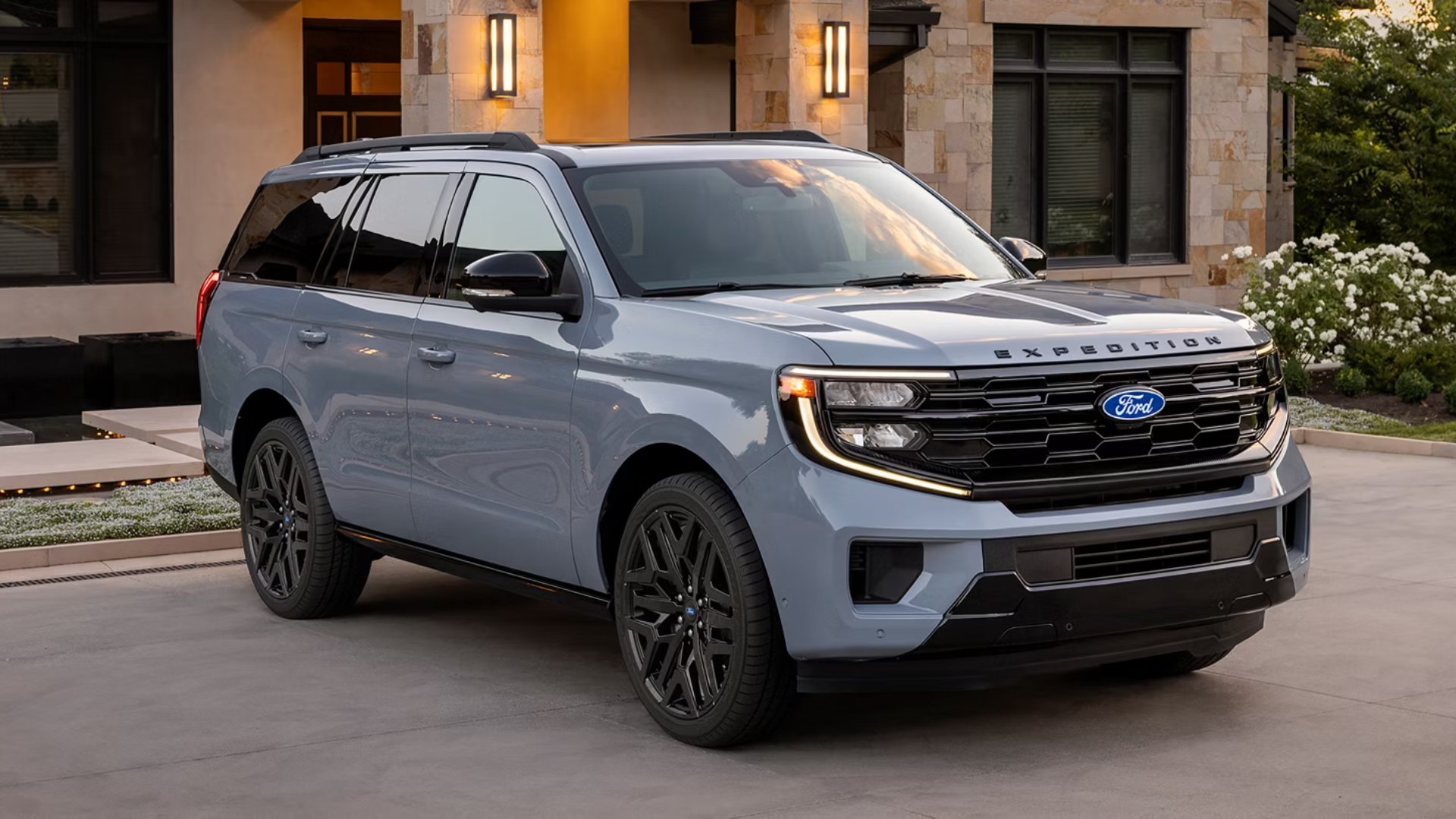
Both versions offer three-row seating, but the MAX gives you substantially more room for gear when every seat is occupied. Ford lists 22.9 cubic feet of available optimized cargo volume behind the third row in the standard Expedition and 37.4 cubic feet in the Expedition MAX.

That extra 14.5 cubic feet matters when the third row is not just an occasional seat. It can make the difference between loading everyone and everything inside the SUV or needing a cargo carrier for coolers, sports bags, strollers, or luggage.

Fold the seats and the difference remains. Ford lists up to 108.5 cubic feet behind the first row in the standard Expedition and up to 123.1 cubic feet in the MAX. If your family often combines people, pets, equipment, and supplies, the MAX earns its additional length.


2026 Ford Expedition cargo and seating


The Standard Expedition Is Easier to Fit Into Daily Life


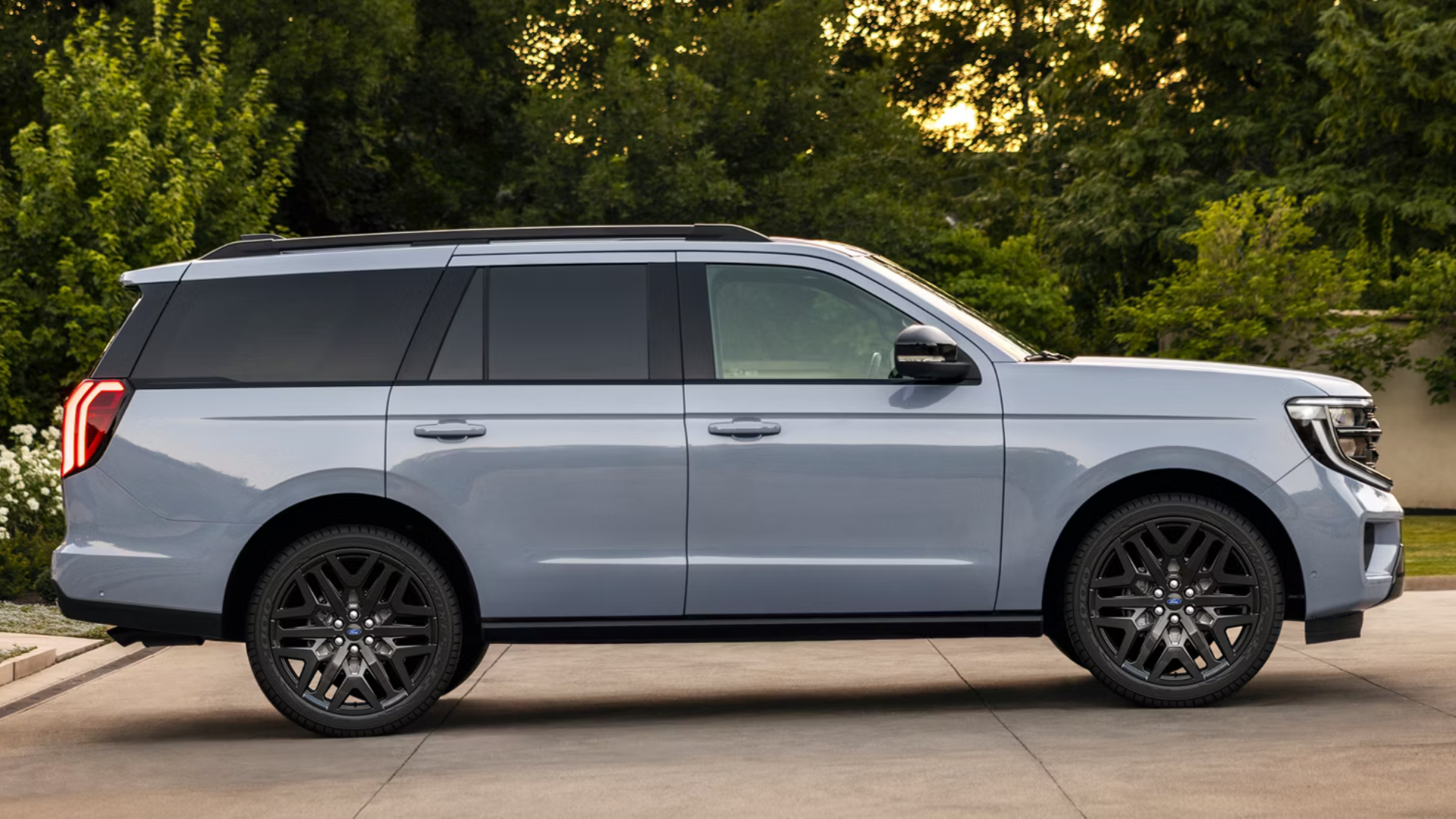
The standard Expedition measures 209.9 inches long, while the MAX measures 221.7 inches. That makes the MAX 11.8 inches longer. Width is the same, so the main daily consideration is length.

The shorter model may be the better fit for an Albuquerque garage, school pickup line, crowded parking lot, or frequent city driving. It still provides three rows and meaningful cargo space, but it asks for less room when parking or turning through tighter areas.

Before choosing, measure your garage from the closed door to any cabinets, steps, or storage. Do not compare only the published length. Leave space to walk around the vehicle and open the liftgate or Ford Split Gate comfortably.


Passenger Space Is Not the Reason to Choose MAX


The MAX does not create a different third-row seating experience. Ford lists the same 36.5 inches of third-row legroom for standard and MAX models. The longer body is primarily about cargo capacity behind the passengers.

Depending on trim and seating configuration, the 2026 Expedition can seat seven or eight. An available second-row bench maximizes passenger capacity, while available second-row captain's chairs create a more open path to the third row. Availability varies by trim, so decide whether your priority is one additional seat or easier access before selecting a vehicle.

For families moving up from a two-row SUV, that distinction is important. The Expedition gives you the third row. The MAX gives you more room to keep the third row in use without shrinking your cargo plan.


2026 Ford Expedition and Expedition MAX comparison


What About Towing?


Both body lengths offer serious towing capability when properly equipped, but the standard Expedition holds the highest published maximum. Ford lists a maximum towing capacity of up to 9,600 pounds for the 2026 Expedition 4x4 without 24-inch wheels and up to 9,000 pounds for the Expedition MAX 4x4.

Those figures are maximums, not a promise for every vehicle. Actual towing capacity depends on drivetrain, equipment, passengers, cargo, accessories, and the specific vehicle configuration. If you plan to tow a boat, travel trailer, or equipment, start with the loaded trailer weight and tongue weight. Then confirm the exact rating on the vehicle you are considering rather than shopping from the model-wide maximum alone.

For many buyers, the decision is straightforward: prioritize the standard Expedition if maximizing tow rating is central to the purchase. Prioritize the MAX if enclosed cargo space is more valuable than the difference between the two published maximums.


Which 2026 Expedition Trim Fits the Plan?


The 2026 lineup includes Active, Platinum, Tremor, and King Ranch models, with MAX configurations available on select trims. The right trim depends on how you will use the SUV, not simply which one has the longest feature list.

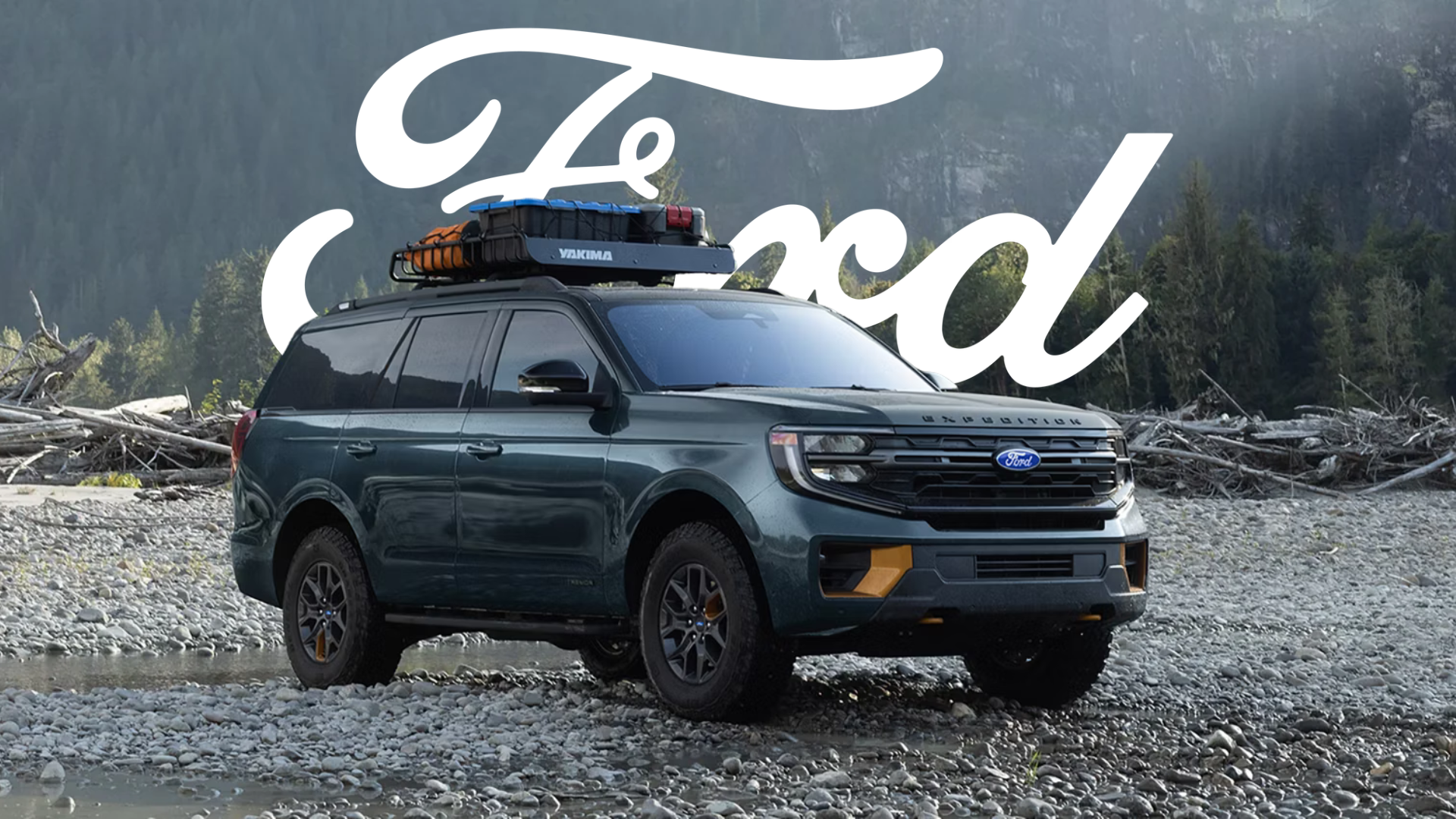
Active is the practical place to begin for family space and flexible seating. Platinum adds more premium equipment and offers available packages for buyers who want a more tailored appearance or driving experience. King Ranch brings its own distinctive design and upscale cabin treatment. Tremor is the off-road-focused choice, with 33-inch all-terrain tires, increased ground clearance, and Rock Crawl mode. Tremor uses the standard wheelbase, so buyers who want the MAX body should focus on the trims that offer it.

Features and packages can change by configuration. Confirm the equipment on the specific Expedition before deciding that a trim name alone includes everything you want.


2026 Ford Expedition for New Mexico families


Our Recommendation for New Mexico Families


Choose the standard 2026 Ford Expedition if you:


  • Use the third row occasionally or can fold part of it for cargo
  • Want the easier-to-park option for daily Albuquerque driving
  • Need strong towing capability and want access to the model's highest published maximum when properly equipped
  • Prefer the off-road-focused Tremor configuration


Choose the 2026 Ford Expedition MAX if you:


  • Use all three rows regularly
  • Carry luggage, sports equipment, or family gear with the third row occupied
  • Take frequent trips across New Mexico or beyond
  • Have confirmed that the extra 11.8 inches fits your garage and parking routine


The best test is simple: bring the people and gear you use most often. Sit in every row, load the cargo area, and compare both lengths in person. A specification sheet can narrow the decision, but your real routine should make the final call.


Ready to compare them? Schedule a test drive at Power Ford and ask to see the standard Expedition and Expedition MAX side by side. If an upgrade is part of the plan, you can also estimate your current vehicle's trade-in value before your visit.
Posted in:

Related Posts

2026 Ford Explorer vs Expedition

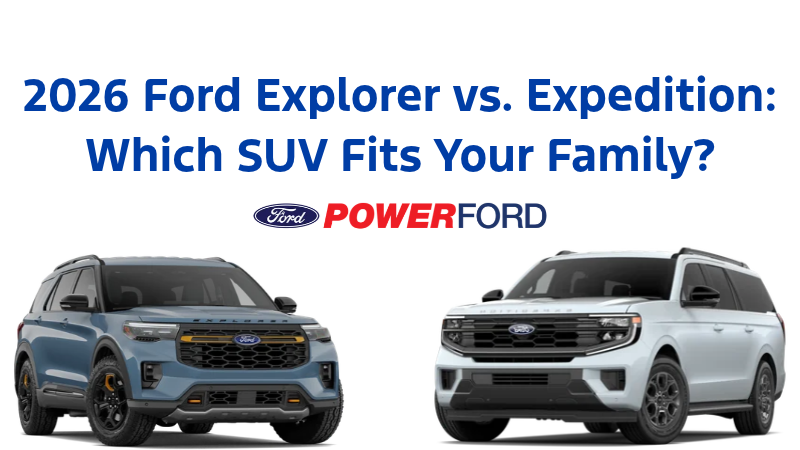
2026 Ford Explorer vs. Expedition: Which SUV Fits Your Family?

Choose the 2026 Ford Explorer if you want three rows, seating for six or seven, up to 5,000 pounds of towing capacity when properly equipped, and a smaller footprint for daily driving. Choose the 2026 Ford Expedition if you regularly use the third row, need seating for up to eight, carry more cargo with every seat occupied or tow beyond the Explorer's limit. Expedition MAX adds even more cargo space for families who need passengers and luggage on the same trip. The Expedition offers more capacity, but that does not automatically make it the better family SUV. The right choice depends on how often you fill the third row, what you tow, how much cargo travels with your passengers, and whether the larger exterior dimensions fit your everyday parking and driving. How Much Passenger Space Do You Actually Need? The 2026 Explorer seats six or seven, depending on model and second-row configuration. Most models use second-row captain's chairs for six-passenger seating, while eligible configurations can use a bench to reach seven. The Explorer Tremor is configured for six. The 2026 Expedition can seat seven or eight, depending on model and seating configuration. A second-row bench provides the highest capacity, while captain's chairs create an easier path to the third row and separate second-row passengers. Ask who rides in the third row and how often. Explorer can make sense for occasional three-row use or six people with captain's chairs. Expedition becomes more useful when the third row is part of the daily routine, especially when child seats, sports equipment or luggage also need space. Before choosing, install your real child seats and test the path between rows. Explorer vs. Expedition Cargo Space With all three rows in use, the Explorer provides 16.3 cubic feet of cargo space. Its maximum cargo capacity reaches 85.8 cubic feet in Active 100A, Active and ST-Line models, or 85.3 cubic feet in Tremor, Platinum and ST. The standard-length Expedition provides up to 22.9 cubic feet behind the third row and up to 108.5 cubic feet behind the first row. Expedition MAX increases those figures to as much as 37.4 cubic feet behind the third row and 123.1 cubic feet behind the first row. Those differences matter most when people and cargo compete for space. If you usually fold the Explorer's third row, its maximum cargo room may be enough. If the third row must stay raised while you load luggage or equipment, Expedition provides more room, and Expedition MAX creates the clearest advantage. Do not jump directly to MAX because it has the largest number. Its extra length also affects the space it occupies in a garage, driveway, and parking area. Measure the places where the SUV will live, not only the items you want it to carry. Which SUV Is Easier to Drive Every Day? The 2026 Explorer is 198.7 inches long. A standard Expedition is 209.9 inches long, while Expedition MAX measures 221.7 inches. The Expedition is also wider and taller. That size supports Expedition's passenger and cargo advantages, but it is part of the ownership decision. Explorer is the more manageable choice for tighter parking and households that do not need full-size capacity every day. Drive both on the same visit and check visibility, turning space, camera views, and parking fit. How Much Towing Capacity Do You Need? Every 2026 Explorer comes with a Class III Trailer Tow Package and can tow up to 5,000 pounds when properly equipped. That can cover many smaller recreational and utility trailers, but the trailer's loaded weight matters more than its empty or advertised weight. The 2026 Expedition offers up to 9,600 pounds of available towing capacity in a specific properly equipped configuration: a standard-wheelbase 4x4 without 24-inch wheels and using a weight-distributing hitch. Other Expedition configurations have different ratings. Expedition MAX, wheel choice, equipment, passengers, and cargo can all change the number. Choose from the trailer backward. Record its loaded weight and tongue weight, then account for every passenger and item inside the SUV. Verify the rating and driver-side doorjamb payload label on the exact vehicle. If the trailer stays comfortably within the Explorer's limits, moving to an Expedition only for a larger maximum may add size you do not otherwise need. If your loaded trailer exceeds the Explorer's rating or leaves too little operating margin for passengers and cargo, Expedition is the appropriate place to continue the comparison. Which One Fits New Mexico Travel Better? For daily Albuquerque driving with occasional mountain trips or weekend recreation, Explorer balances three-row space with manageable dimensions. Available Intelligent 4WD adds traction flexibility on eligible configurations, while Tremor adds specialized off-pavement hardware. Expedition makes the stronger case when long-distance trips regularly combine a full cabin, substantial luggage and a larger trailer. Expedition MAX is the most cargo-focused choice when the third row must stay in use. Four-wheel drive and trim availability vary, so compare the exact configuration rather than assuming every vehicle is equipped alike. Neither SUV removes the need to plan for weather, tires, speed, trailer setup or elevation. Capability should create usable margin, not encourage operation at the limit. Should You Upgrade From Explorer to Expedition? An Expedition upgrade makes sense when your current Explorer repeatedly runs out of room with the third row occupied, your passenger count has grown or your trailer needs exceed the Explorer's properly equipped rating. Those are recurring needs that the larger SUV directly addresses. If the extra seats and cargo space would sit unused most of the year, a newer Explorer may be the more balanced upgrade. It keeps the three-row format while offering multiple trims for comfort, performance or off-pavement use. Our 2026 Explorer trim guide can help narrow that decision. Explorer or Expedition: The Direct Answer Choose Explorer for three-row flexibility in a smaller package, especially when six or seven seats, up to 5,000 pounds of properly equipped towing, and occasional third-row use cover your routine. Choose Expedition when you need up to eight seats, more cargo space behind an occupied third row or substantially more available towing capacity. Choose Expedition MAX when carrying passengers and cargo at the same time is the central requirement. Bring your passenger count, cargo dimensions, and loaded trailer weight when you compare them. Browse current new Ford vehicles at Power Ford, then drive the Explorer and Expedition back-to-back to see which amount of SUV fits your real life.

2025 Ford Expedition

2026 Ford Expedition: When Your Family Needs More SUV

The 2026 Ford Expedition is for families whose passengers, cargo, and trailers have outgrown a smaller three-row SUV. It offers seating for seven or eight, depending on configuration, plus a choice between the standard-length body and the longer Expedition MAX. Expedition MAX provides up to 37.4 cubic feet of cargo room behind the third row, making it especially useful when every seat and the luggage area are needed at the same time. Properly equipped Expedition configurations offer up to 9,600 pounds of available towing capacity, while the Ford Split Gate creates a useful loading surface at the rear. Choose Expedition when full-size space will solve a recurring need, not just an occasional one. Explore current Ford vehicles at Power Ford and compare standard and MAX configurations in person.

FordExplorerPowerFord

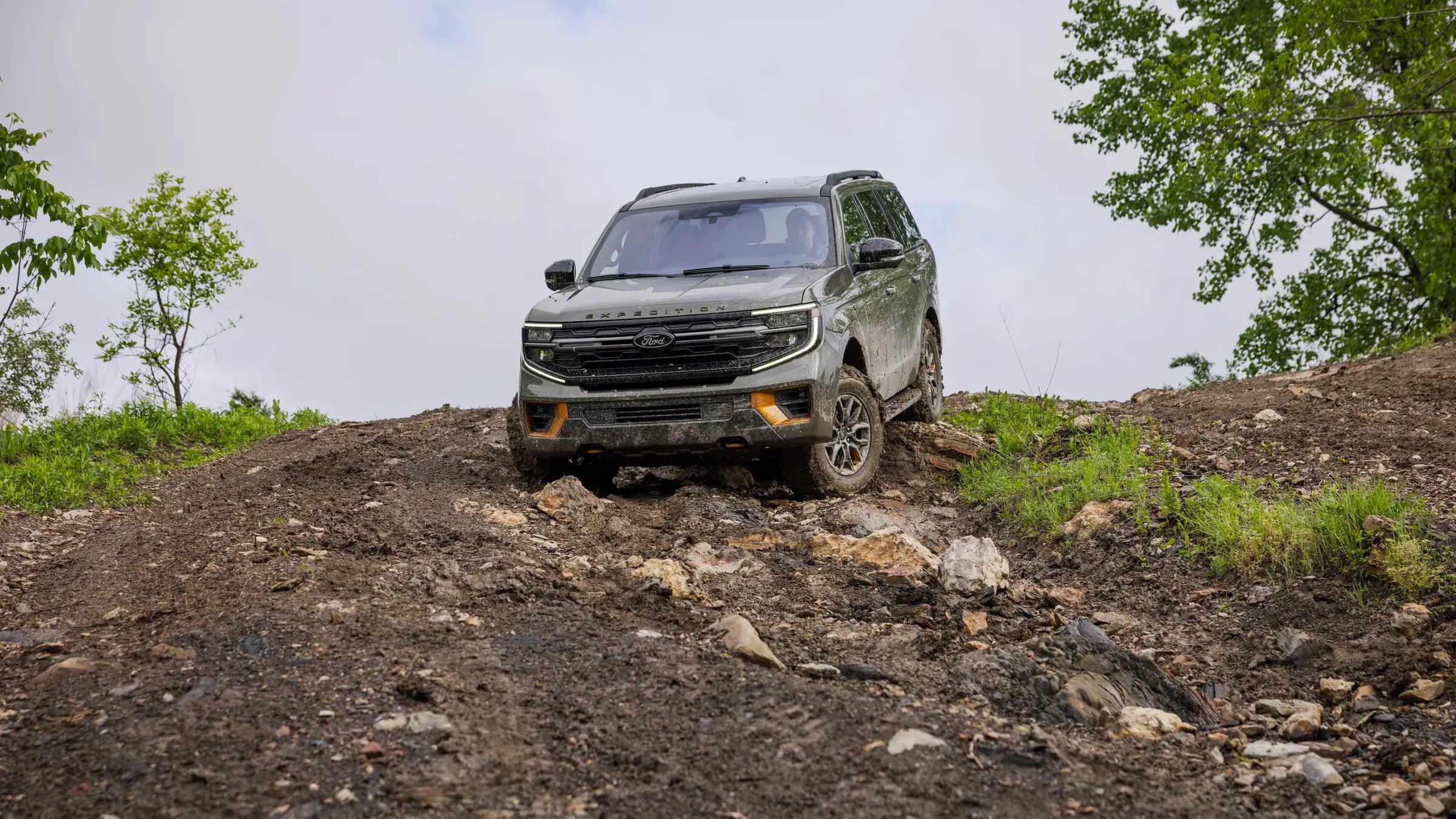
How 2025 Expedition Suspension Delivers a Better Ride on Rugged Terrain

Creating a suspension system that meets the wide-ranging uses of a vehicle like the all-new 2025 Expedition, it turns out, is a lot like many things in life. It’s all about balance. With the outgoing Expedition, we already had a full-size SUV that delivered a highway ride our customers liked. But what their feedback also told us was that we needed to reduce the impact harshness when driving over small bumps, potholes, and other surface imperfections. The challenge for us was achieving those improvements without compromising the elements of ride and handling the customers already liked. To get there, we started in a logical place: We took the front suspension from F-150 pickups. With that Build Ford Tough-proven framework in place, we set out to make changes tailored to Expedition. We retuned the springs and shocks, updated the stabilizer bar attachment location, softened the body mounts, and redesigned elements of the rear frame and hitch. Collectively, these changes help the suspension breathe better when driving over bumpy road surfaces. Now, the vehicle follows the curves of bumps better and feels much more isolated from the road. The entire vehicle absorbs those undulations without feeling “floaty.” The end result? Expedition drivers will feel less input through the seat when driving over bumps and have a more comfortable overall ride, especially on long-distance trips. Guided by customer and test-drive feedback Between durability testing and prototype drives, we put the all-new Expedition through its paces and used all of that test-drive feedback to create a vehicle with more of what our customers want. The feedback came from a broad spectrum of users — from folks who pull a trailer regularly to those who primarily use the vehicle for a daily commute to those who have their sights set on off-road adventures. For the former, the redesigned frame and suspension help enable 7,000-pound towing without a weight distribution bar. Weight distribution bars weigh about 50 pounds each and take about a half-hour to install. But with the all-new 2025 Expedition, hauling small trailers or boats can be done without needing to add heavy-duty gear, making it a positive experience for the customer. For customers hauling heavier loads, the Expedition towing capacity increases to 9,600 pounds with weight distribution bars installed — an increase of 300 pounds over the current model. Delivering a Tremor to Expedition off-roaders And for the latter off-road-minded group, we built the all-new 2025 Expedition Tremor. To more confidently take on the trails, we retuned the suspension further, but once again, didn’t sacrifice on-road handling and comfort. During their daily commutes, Tremor owners will feel a comfortable ride, even with the larger tires. Once off-road, the Tremor features a taller stance, a significantly improved ground clearance of 48.3 mm, and unique steering tuning compared to the Expedition 4x4 base model. It also has a suite of features such as Rock Crawl mode, Trail Turn Assist, Trail 1-Pedal Drive, and robust underbody protection that makes off-roading a blast. The shocks and springs are also all-new for Tremor with completely unique tuning designed to handle rough trails. We spent a lot of time driving Tremor across rocky terrain at rock parks. We drove it through sand. We took it to the United Arab Emirates and challenged it with sweltering desert heat. Tremor handled it all with ease and felt very comfortable doing so. Through all of our work on the suspension system, we had the additional challenge of improving cabin noise levels, a challenge made even more difficult with the arrival of the all-new split gate. Guided by customer feedback, we aimed to improve communication between first- and third-row occupants by redesigning the exhaust mufflers and adding a robust sound package and meticulous sealing on the new split gate. With a vehicle like the all-new 2025 Expedition, which has use cases ranging from soccer team transporter to vacation toy hauler, there is much to consider when designing the perfect suspension system. Creating a system that takes on choppy terrain, preserves its excellent highway ride, and increases towing capacity required a lot of trial, error, and driver feedback. And balance. This article was originally published on Ford From the Road.