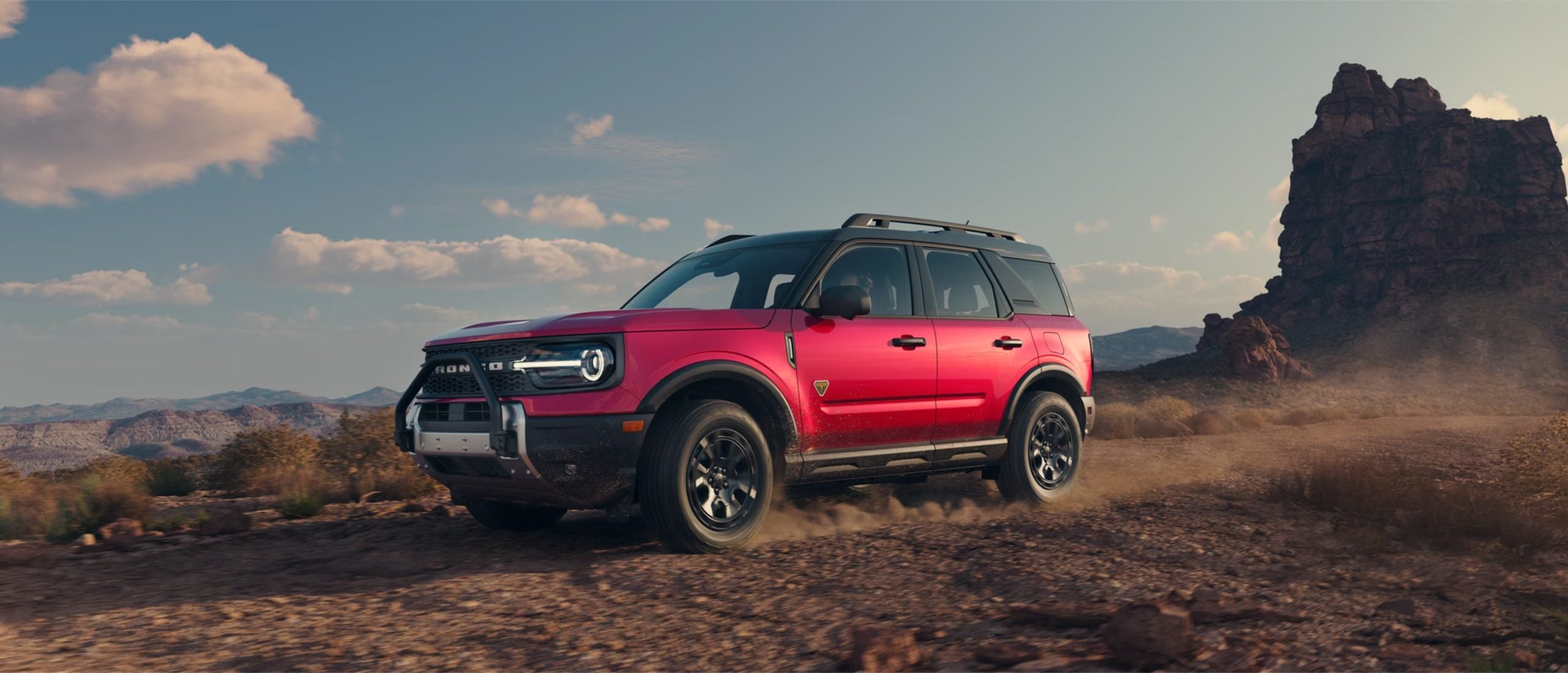
These settings can change accelerator response, transmission behavior, traction and stability controls, and aspects of the four-wheel-drive system. They do not create more tire grip, ground clearance or underbody protection. The right mode helps the Bronco Sport use its existing hardware more effectively, but the driver still has to choose a safe speed and a route that fits the vehicle.
What Does Each Bronco Sport G.O.A.T. Mode Do?
Each mode gives the Bronco Sport a different set of responses. The useful question is not which mode sounds most capable. It is which one matches the surface under the tires.
Normal Mode: The Everyday Setting
Normal is the starting point for ordinary paved-road driving. It balances accelerator response, shifting and vehicle controls for typical commuting and highway travel.
For most drives around Albuquerque, Normal is the mode to leave selected. There is no need to choose a specialized setting simply because the Bronco Sport has standard 4x4.
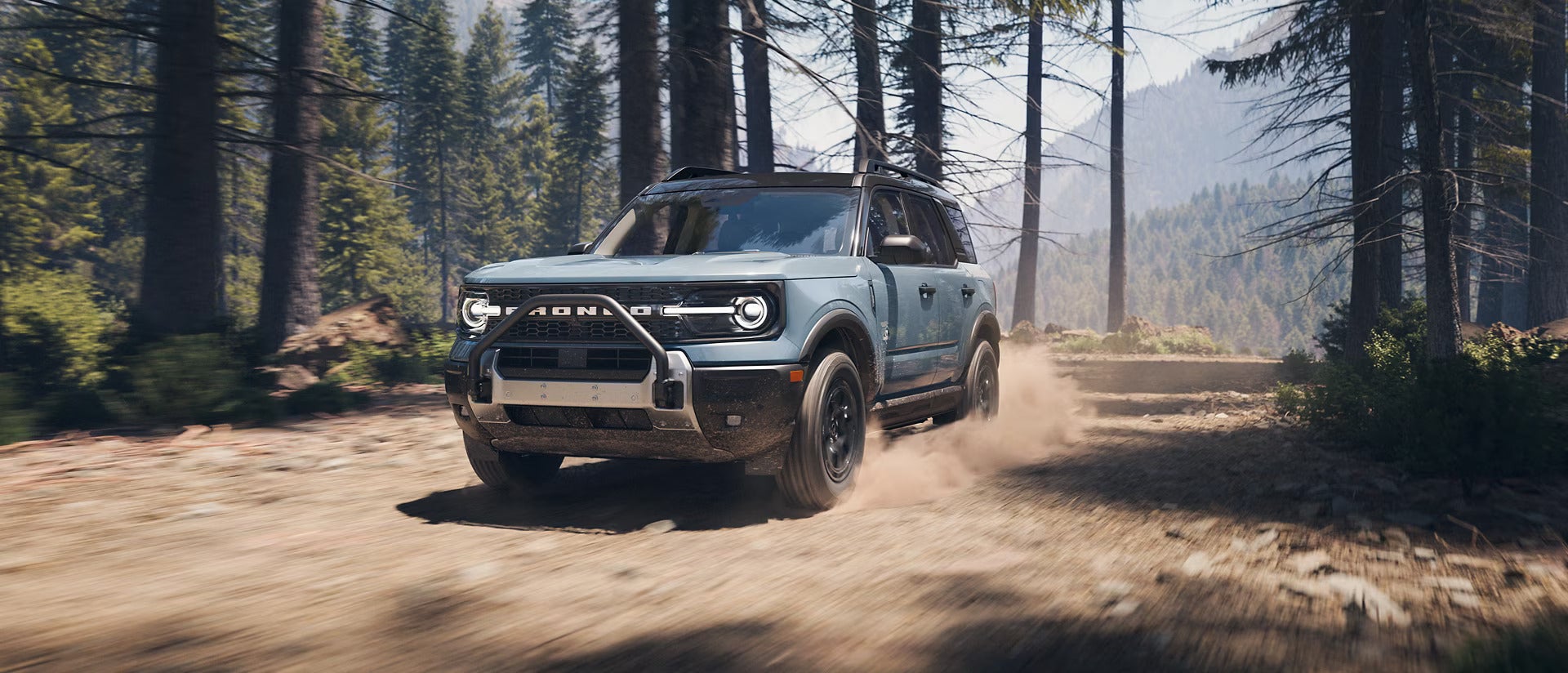
ECO Mode: A Calmer Response
ECO does not guarantee a particular fuel-economy result. Speed, acceleration, traffic, temperature, elevation, tires, and cargo still affect fuel use. Think of it as a setting that supports efficient driving habits, not a substitute for them.
Sport Mode: Quicker On-Road Response
That can be useful when a driver wants sharper response, but it is not an off-road mode, and it does not increase the vehicle’s traction limits. More responsive controls still require smooth inputs, especially on wet, snowy or loose surfaces.
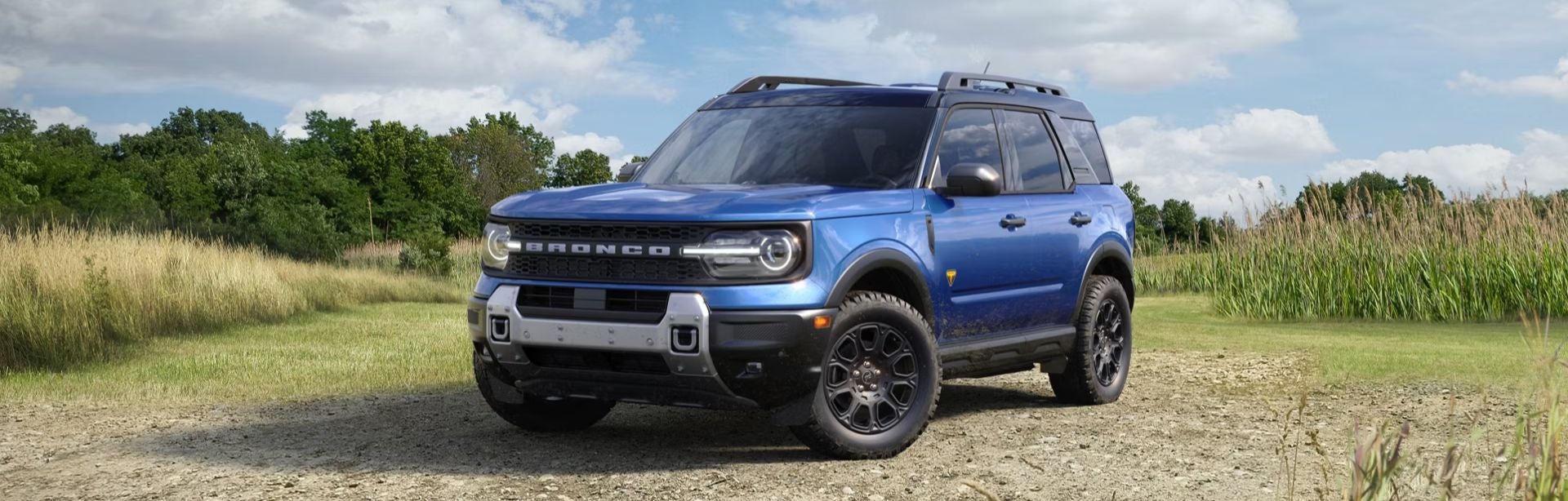
Slippery Mode: Snow, Ice and Slick Surfaces
This mode can be useful when New Mexico weather changes quickly or a shaded mountain road remains icy. It does not shorten stopping distance or make unsuitable tires suitable for winter conditions. Leave more space, reduce speed, and follow tire or chain requirements where they apply.
Ford also cautions against using Slippery mode on dry pavement because certain four-wheel-drive settings can create driveline bind and damage. Return to Normal when the slick conditions end.
Off-Road Mode: Loose and Uneven Terrain
Off-Road mode is intended for loose surfaces such as sand and deep snow. Ford describes it as using a more aggressive accelerator response to help maintain momentum.
This is not the right setting for an ordinary paved road. The 2026 Bronco Sport owner’s manual advises against selecting an off-road drive mode on paved public roads. Before leaving pavement, check the route, surface, tire condition, clearance, and weather rather than treating the mode name as permission to continue.
What Do Rock Crawl and Rally Add on Badlands?
The 2026 Bronco Sport Badlands includes two modes that are not part of the five-mode system on Big Bend, Heritage or Outer Banks.
Rock Crawl is intended for muddy or uneven terrain where slower, controlled progress matters. Rally is intended for higher-speed driving on soft surfaces. Both are specialized off-road settings, not upgrades for routine pavement driving.
The difference goes beyond software. Badlands uses a 2.0-liter EcoBoost engine, advanced 4x4 with a twin-clutch rear drive unit, HOSS 2.0 off-road suspension, all-terrain tires, and underbody protection as standard equipment. Its Terrain Management System also includes a differential-lock function. Those hardware differences are why buyers should compare complete configurations rather than choosing a trim only because it has two additional mode names.
Outer Banks can also be equipped with the available Sasquatch Outer Banks Package, which adds advanced 4x4 and other off-road hardware. Package content can change what a specific vehicle can do, so confirm the window sticker rather than assuming every Outer Banks is equipped the same way.
Which Modes Fit Common New Mexico Driving?
- Use NORMAL for dry pavement, daily commuting, and most highway travel.
- Use ECO when you want a calmer response that supports efficient driving.
- Use SPORT when you want more responsive on-road acceleration.
- Use SLIPPERY for snow, ice or a firm surface covered in loose material, then return to Normal on dry pavement.
- Use OFF-ROAD only when the surface and route call for it, not on paved public roads.
- Use ROCK CRAWL OR RALLY on Badlands only for the specialized off-road conditions each mode is designed to address.
Conditions can change within the same trip. A drive may begin on dry Albuquerque pavement, cross a snowy mountain section and end on a maintained dirt road. Select the mode for the current surface, not for the trip’s destination.
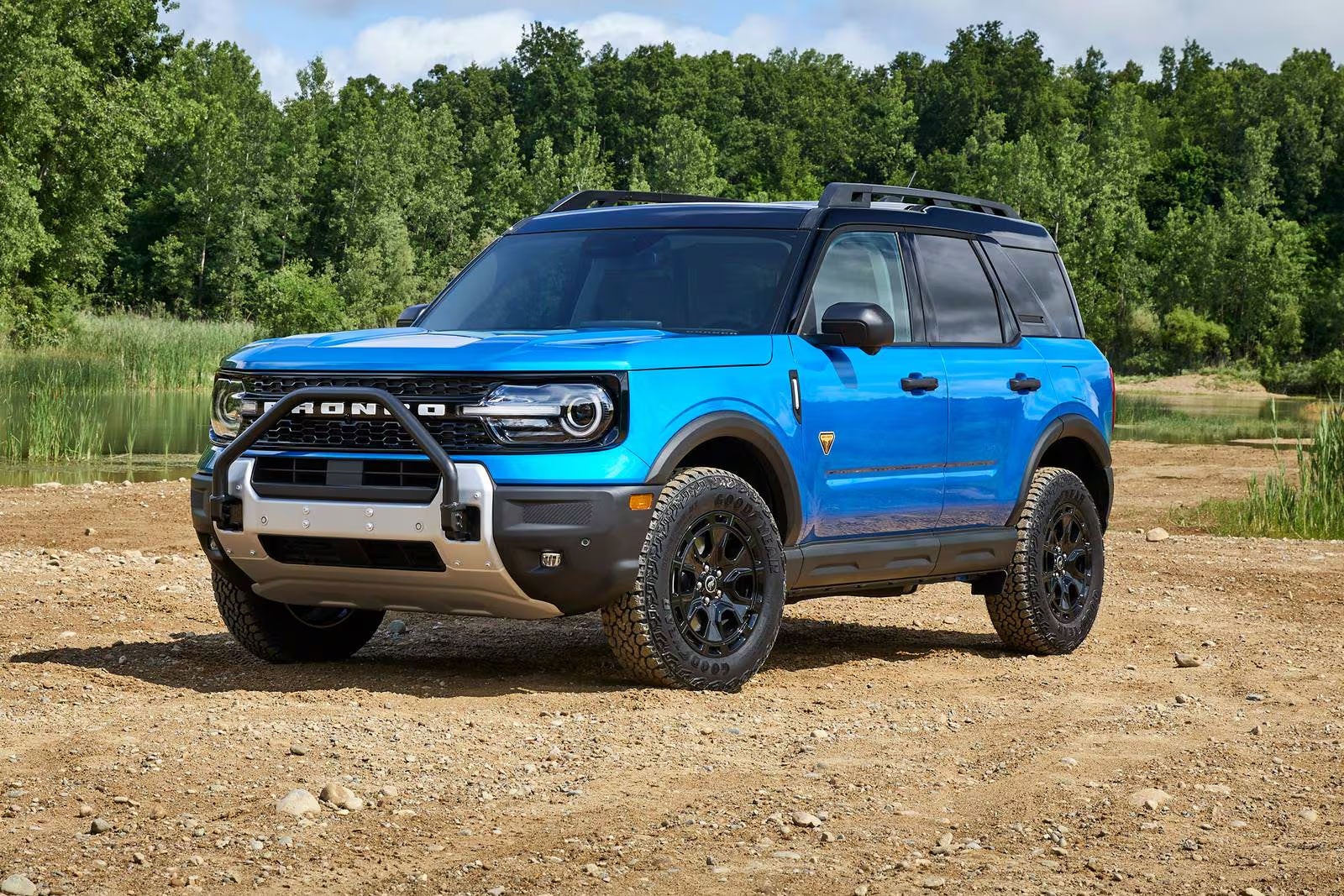
Do You Need Five G.O.A.T. Modes or Seven?
Most Bronco Sport shoppers do not need seven modes. The five-mode system already covers everyday pavement, efficiency-focused driving, a sportier response, slippery conditions, and loose-surface travel.
Badlands makes sense when you expect more demanding off-pavement use and want its advanced 4x4 system, additional off-road hardware, and specialized controls. If your Bronco Sport will spend most of its time commuting with occasional camping or maintained dirt-road travel, Big Bend, Heritage, or Outer Banks may provide the modes you will actually use.
The best way to decide is to compare the controls and hardware, not just the trim names. Review the window sticker, inspect the tires and underbody equipment, and drive the configurations that fit your routine. Compare current Bronco Sport options at Power Ford, or contact Power Ford to arrange a closer look in Albuquerque.